Last Mile
54 posts tagged with “Last Mile”

Surveillance Pricing Turns Delivery Economics Into a Governance Problem
Delivery companies need explainable pricing and pay controls that separate legitimate operating costs from personal-data-driven surveillance pricing.
 CXTMS InsightsNovember 1, 2026 · 6 min read

DoorDash's $17B Instacart Deal Needs an Order-Level Grocery Network Baseline
DoorDash and Instacart need an order-level baseline for service, picking, substitutions, delivery economics, and retailer safeguards before integrating their grocery networks.
CXTMS InsightsOctober 30, 2026 · 5 min read
NYC's $5M Off-Hour Delivery Push Needs a Receiver-Readiness Score
New York City's off-hour delivery funding can reduce peak congestion, but only if shippers score receiver access, staffing, security, noise, curb space, and proof of delivery.
CXTMS InsightsOctober 14, 2026 · 6 min read
Amazon's Delivery-Equity Settlement Makes ZIP-Code Service Auditing a Logistics Requirement
Amazon's delivery-equity settlement shows why parcel networks need ZIP-code audits covering promise accuracy, handoffs, failed attempts, transit time, and service changes.
CXTMS InsightsOctober 13, 2026 · 6 min read
Amazon's Delivery-Equity Settlement: Audit Service Promises by Neighborhood, Not City
Amazon's D.C. settlement shows why retailers must audit promised and actual delivery service at neighborhood level without using protected-class proxies in routing.
CXTMS InsightsOctober 3, 2026 · 6 min read
USPS–Amazon Same-Day Pilot: Build a ZIP-Level Capacity Contract
Learn how to structure a same-day postal delivery pilot around ZIP-level cutoffs, capacity caps, scan events, exception ownership, and service economics.
CXTMS InsightsOctober 1, 2026 · 7 min read
Nordstrom's Seven-Day Delivery Plan Needs a Weekend Capacity Ledger
Learn how retailers can price, cap, and measure seven-day delivery by ZIP code without allowing weekend promises to weaken weekday service.
CXTMS InsightsSeptember 30, 2026 · 6 min read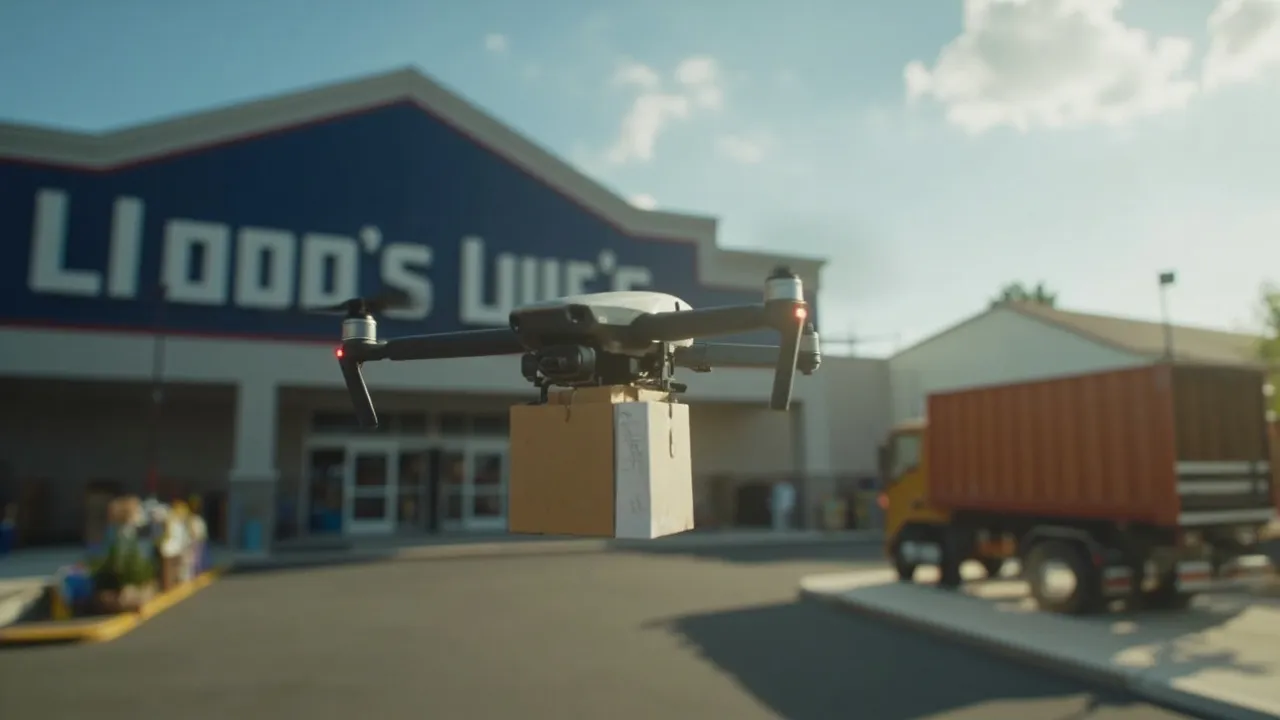
Lowe's Drone Delivery Pilot: Build a Store-Level Flight Eligibility Gate
A practical eligibility gate for deciding when a retail order can move by drone—and recovering cleanly when it must shift to courier or parcel delivery.
CXTMS InsightsSeptember 25, 2026 · 6 min read
Chewy's Last-Mile Playbook: Price Adjustable Delivery Windows Before Promising Them
A cost-to-serve framework for offering adjustable delivery windows without sacrificing route density, warehouse stability, or ecommerce margins.
CXTMS InsightsSeptember 20, 2026 · 6 min read
Costco's Ultra-Fast Delivery Expansion Needs Store-Level Capacity Controls
Use store-level capacity controls to protect inventory accuracy, member experience, and profitability as Costco expands ultra-fast delivery channels.
CXTMS InsightsSeptember 19, 2026 · 6 min read