Walmart and Wing Bring Drone Delivery to Five Orlando Stores: The Inventory Rules Behind a 30-Minute Promise

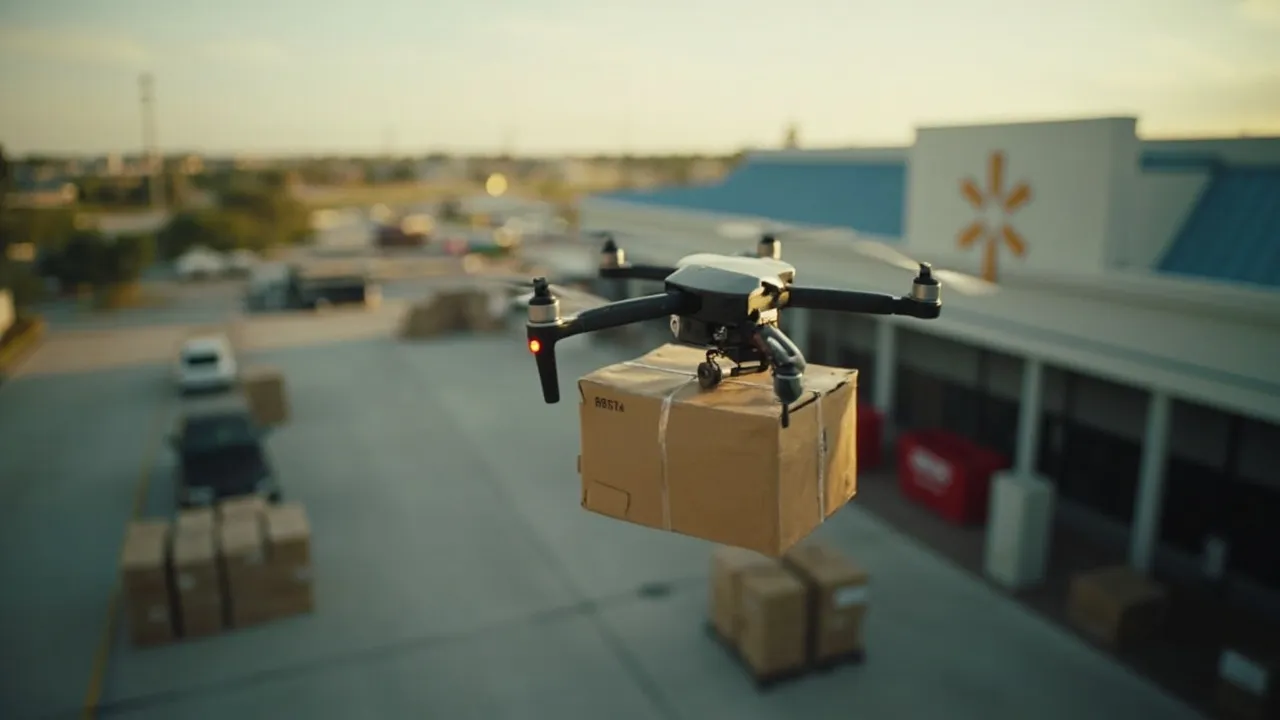
A 30-minute delivery promise begins long before a drone leaves the ground. It begins with choosing the right store, exposing only eligible inventory, confirming a safe delivery address, and reserving enough time to pick and hand off the order. Walmart and Wing's Orlando launch is therefore as much an inventory-control project as an aviation milestone.
Supply Chain Dive reports that the service now reaches more than 50,000 homes, businesses, and apartment buildings in Central Florida. Operations started from Walmart stores in Apopka and Clermont, with coverage planned for three more stores in Ocoee, Clermont, and Haines City. Eligible customers can receive daily essentials in as fast as 30 minutes.
Those figures reveal the real operating challenge: each order must pass several rules quickly enough that the promise remains credible.
Five stores are five fulfillment nodes
Store selection determines much more than geographic reach. Each location needs sufficient demand density, a suitable operating area, reliable inventory, trained store labor, and addresses that fit the approved flight network. Adding a store changes the pool of eligible customers, but it also creates decisions about which node should fulfill an address that falls within overlapping service areas.
The nearest store is not automatically the best node. One location may show the item on hand but have a high cancellation rate. Another may be slightly farther away yet offer a cleaner pick path and greater stock certainty. Node selection should compare inventory confidence, pick workload, flight availability, weather, and total promised time—not distance alone.
This discipline becomes more important as the network scales. Walmart and Wing plan to reach more than 270 Walmart locations in 2027. A January update said the companies were targeting 150 stores within a year and more than 40 million potential customers nearby. Delivery volume had already tripled over the preceding six months.
Eligibility must be decided before checkout
Drone delivery is not simply another carrier option applied after an order is packed. The order must qualify across four dimensions.
First is the item. Wing's Florida aircraft currently carry up to 2.5 pounds per flight, with plans to increase that limit to five pounds. Weight must include packaging, and item dimensions must fit the delivery container. Restricted, fragile, temperature-sensitive, or spill-prone products may require additional exclusions even when they meet the weight threshold.
Second is the basket. Two individually eligible products can create an ineligible combined order. The checkout system must either limit the basket, split it with a clear customer promise, or offer a conventional delivery method.
Third is the address. The aircraft can fly up to 60 miles per hour and lowers the package by tether at the destination, but speed does not make every property serviceable. The address must be inside the active coverage area and have an approved delivery point. Airspace restrictions, obstacles, operating permissions, and safe package placement all matter.
Fourth is the operating window. Weather and aircraft availability can invalidate a route that was eligible minutes earlier. The customer-facing promise must use current conditions rather than a static service-area map.
Inventory accuracy protects the clock
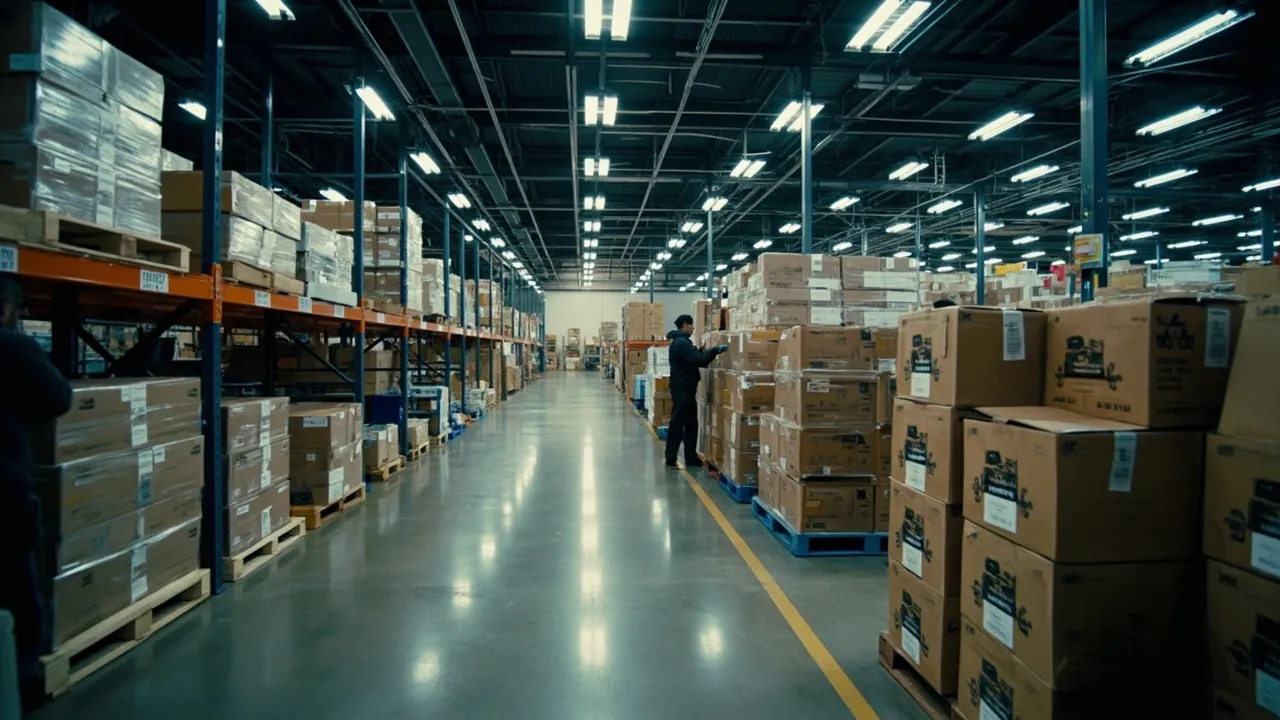
A van route can absorb some picking delay because multiple orders share a departure. A rapid drone order has almost no buffer. If an associate searches for stock that exists only in the inventory system, the 30-minute clock keeps running while the aircraft and customer wait.
Retailers should therefore apply a stricter available-to-promise rule to drone orders. Recent cycle-count results, shelf scans, open picks, shrink history, and stock age can produce an inventory-confidence score. A store with three reported units but repeated discrepancies may need a safety threshold before the item appears as drone-eligible.
Substitution rules need the same precision. A substitute should not silently violate weight, dimensions, handling restrictions, price consent, or customer preference. The workflow should revalidate the entire basket after substitution. When no compliant substitute exists, the system should offer a conventional route or revised promise immediately rather than burn time on manual improvisation.
The economics reinforce the case for getting the decision right. Inbound Logistics notes that a failed delivery can cost a retailer around $17 and that the last mile can represent more than half of total shipping expense. That article also reports the average ecommerce package weighs one to three pounds—well aligned with the small, urgent baskets suited to drones.
Build milestones and fallbacks into execution
A controlled drone order should generate an auditable chain of milestones:
- address and delivery-point eligibility confirmed;
- inventory reserved with confidence threshold passed;
- basket weight, dimensions, and restrictions validated;
- pick started, item scanned, and package sealed;
- package transferred to the drone operator;
- aircraft launched, delivery completed, and proof captured.
Each milestone needs a deadline relative to the customer promise. If picking has not started within the allowed window or weather closes the flight path, the system should trigger a fallback rather than leave the order in limbo.
Fallbacks can include another eligible store, a ground courier, scheduled same-day delivery, customer pickup, or cancellation with immediate notification. The best option depends on remaining promise time, inventory at alternate nodes, incremental cost, and customer consent. Crucially, the original eligibility decision, exception reason, and recovery outcome should remain attached to the order for later analysis.
Turn drone delivery into a managed service
CXTMS can connect store inventory, order attributes, address eligibility, carrier milestones, and fallback routes in one execution record. Rules can block an overweight basket, hold a low-confidence SKU, alert teams when a handoff deadline is at risk, and launch an approved ground alternative when the drone option closes.
That visibility also makes the program measurable. Operators can compare promised versus actual delivery time, inventory-related cancellations, substitution failures, weather exceptions, handoff dwell, cost per successful delivery, and recovery performance by store. Those measures show whether adding a node truly expands reliable service or merely expands the map.
The aircraft may be the most visible part of Orlando's launch, but dependable rapid delivery rests on less glamorous work: clean inventory, explicit rules, timed handoffs, and fast exception recovery. Request a CXTMS demo to see how eligibility, milestones, and fallback routing can be managed across a multimode last-mile network.