Insights
Industry insights, integration guides, and product updates from the CXTMS team.
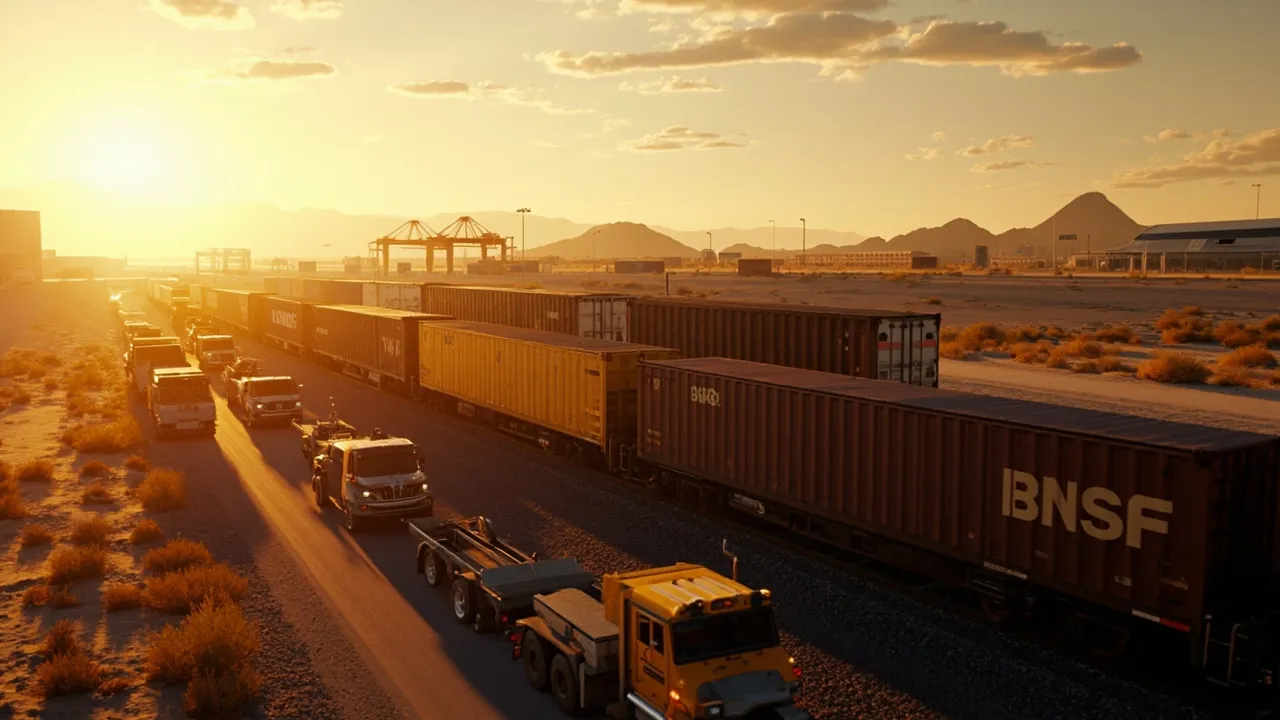
BNSF’s Phoenix–North Texas Intermodal Expansion Creates a New Southwest Routing Option
Evaluate BNSF’s expanded Phoenix–North Texas intermodal service with a routing-guide test covering transit, cutoffs, drayage, reliability, and total landed cost.
 CXTMS InsightsAugust 19, 20266 min read
BUILD America 250's September Deadline Belongs in Every Freight Infrastructure Calendar
The September 30 surface transportation deadline can affect freight projects, lane reliability, and facility plans. Here is how shippers can manage the exposure.
CXTMS InsightsAugust 19, 2026 · 5 min read
Port NOLA's New Deepwater Terminal Changes Gulf Gateway Scenario Planning
Port NOLA's authorized deepwater terminal could reshape Gulf routing, but importers should plan against milestones, inland capacity, and variability—not nameplate TEUs.
CXTMS InsightsAugust 19, 2026 · 6 min read
6.8 Million Rail Carloads Make Weekly Rail Data a Procurement Signal
Weekly U.S. rail carload and intermodal data can give freight procurement teams an early signal for corridor reviews, mode substitution, and capacity bids.
CXTMS InsightsAugust 19, 2026 · 5 min read
The Slowest Freight Monday of 2026 Is a Tender-Forecast Warning, Not Just a Seasonal Dip
Turn an unusually weak freight Monday into a disciplined forecast review using lane-level demand, tender, lead-time, and mode-shift signals.
CXTMS InsightsAugust 19, 2026 · 5 min read
A New Western Indian Ocean Piracy Task Force Raises the Bar for Voyage Evidence
A new regional piracy task force changes Western Indian Ocean risk management. Shippers need shipment-level evidence for routing, insurance, claims, and customer decisions.
CXTMS InsightsAugust 19, 2026 · 6 min read
Critical Supplier Failure: Build a Product-Level Exposure Graph Before the Next Alert
Turn supplier-risk alerts into product-level action by linking sites, parts, orders, shipments, finished goods, and accountable response teams.
CXTMS InsightsAugust 18, 2026 · 6 min read
Record Dry Van and Reefer Contract Rates Need Separate Routing-Guide Triggers
Dry van and reefer contract rates reached records even as truckload volumes declined. Learn how equipment-specific routing-guide triggers control cost and service risk.
CXTMS InsightsAugust 18, 2026 · 5 min read
Battery-Electric ReachStackers Need a Container-Move Energy Ledger
Turn electric ReachStacker telemetry into an energy ledger that protects container throughput, charging windows, and terminal resilience.
CXTMS InsightsAugust 18, 2026 · 6 min read
GM's $4.5 Billion Safety Fund: Turning Critical-Parts Reserves Into Release Rules
GM's proposed $4.5 billion supply disruption fund shows why manufacturers need explicit release rules linking resilience spending to parts, plants, shipments, and service outcomes.
CXTMS InsightsAugust 18, 2026 · 6 min read