Germany’s Drug-Pricing Probe Could Turn Pharma Trade Policy Into a Logistics Planning Problem

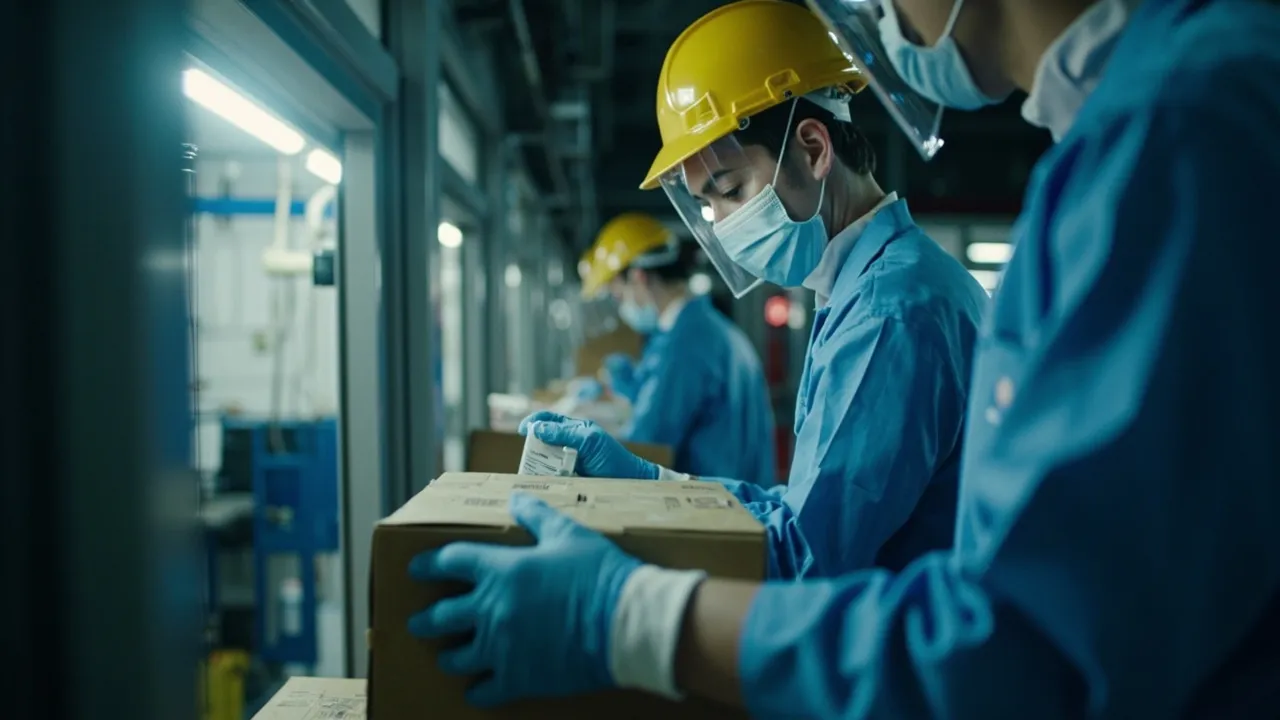
Pharmaceutical logistics teams are used to operating under strict rules. Temperature ranges, product custody, quality documentation, importer records, serialization, and patient-critical delivery windows all leave little room for improvisation. What is changing now is that trade policy risk is moving closer to the same regulated product flows.
The latest signal is the U.S. Section 301 investigation into Germany’s pharmaceutical pricing policies. According to Supply Chain Dive, the U.S. Trade Representative launched the probe on June 18 to determine whether Germany’s pricing practices unfairly shift pharmaceutical innovation costs onto U.S. consumers. The Federal Register notice cited by the report says U.S. consumers pay about 3.9 times as much as German consumers for brand-name drugs.
For logistics leaders, the point is not to debate drug pricing. The point is that a trade-policy investigation can quickly become a sourcing, customs, inventory, and routing problem for regulated healthcare products. Section 301 investigations have historically been used as a precursor to tariffs or other trade actions. No tariff list has been issued for this Germany probe, but pharma supply chains cannot wait until a product list appears to start mapping exposure.
Policy uncertainty creates operational uncertainty
The Germany investigation focuses on pricing disparities and proposed German measures affecting patented medicines. Supply Chain Dive reported that Germany’s 2026 draft legislation would impose an additional 3.5% mandatory rebate on patented medicines for the first half of 2027, with a variable rebate afterward tied to health-insurance spending targets. One estimate cited in the notice projects the dynamic rebate could reach 20% by 2030.
That may sound like a policy issue sitting far from the dock door. It is not. Pharmaceutical supply chains are built around long qualification cycles, validated facilities, approved suppliers, controlled transport lanes, and tightly governed documentation. If a policy dispute changes import cost, product eligibility, supplier economics, or customs scrutiny, the logistics team inherits the execution consequences.
The first impact is lane exposure. Companies need to know which finished drugs, active pharmaceutical ingredients, intermediates, clinical supplies, packaging components, and cold-chain accessories touch Germany-origin suppliers or German logistics nodes. That map should include direct imports and indirect exposure through contract manufacturers, regional distribution centers, and supplier-controlled freight.
The second impact is documentation readiness. Tariffs, exclusions, origin reviews, or other trade measures can turn routine shipments into document-heavy exceptions. Importer records, country-of-origin support, valuation data, product classification, broker instructions, temperature-control records, and quality release documents need to line up before a shipment reaches the port.
The third impact is timing. Regulated products cannot always be rushed through a new lane because the old lane became expensive or risky. Alternate carriers, packaging configurations, temperature-control providers, customs brokers, and receiving sites may require qualification. If logistics teams wait for the policy decision, they may discover that their backup plan is not actually executable.
Cold chain raises the cost of reaction
The cold-chain angle matters because pharma products are not interchangeable freight. A pallet of temperature-sensitive biologics cannot be treated like standard dry cargo with extra urgency attached.
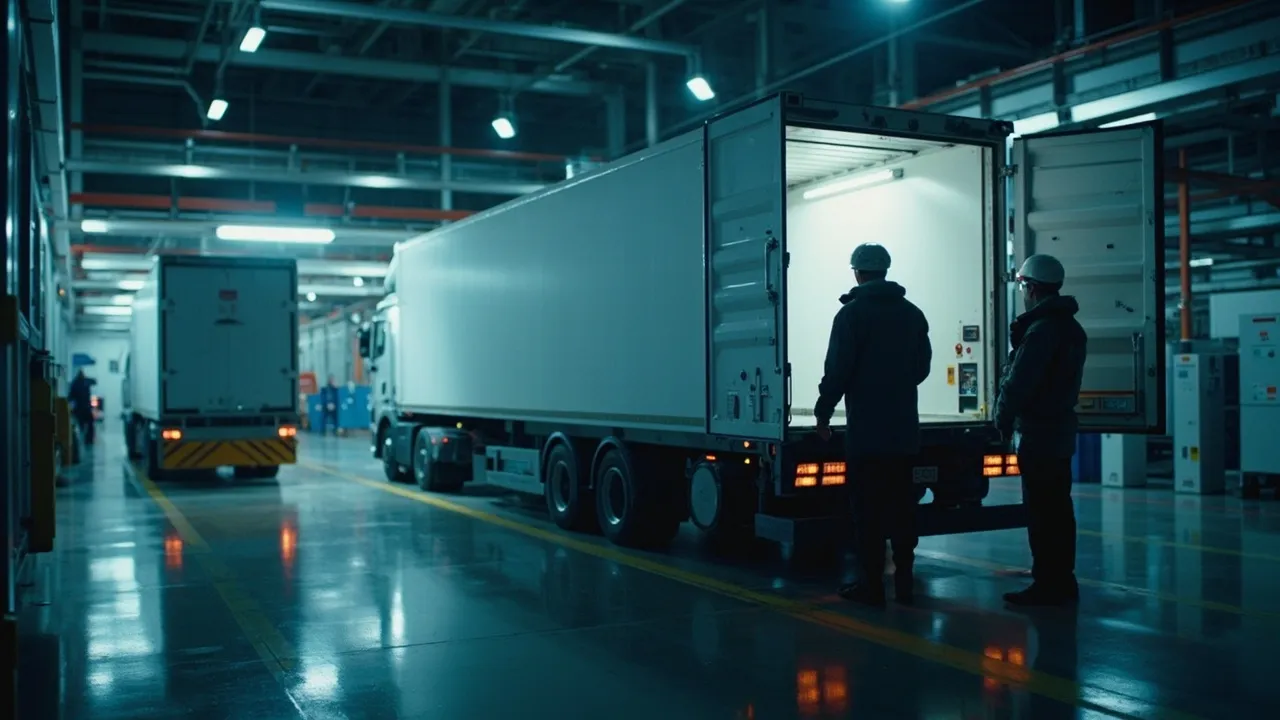
Logistics Management recently reported that UPS invested $48 million in 27 temperature-controlled freight cross-dock facilities across key U.S. and international markets. The facilities support strict temperature requirements including 2-to-8 degrees Celsius, 15-to-25 degrees Celsius, and frozen handling. The same report noted that about one in three newly approved drugs is a biologic, and more than 85% of biologics require temperature-controlled handling.
That investment trend tells logistics teams something important: healthcare freight is becoming more temperature-sensitive, more valuable, and more complex at exactly the moment trade policy is becoming less predictable. Logistics Management also cited estimates that cold-chain failures cost roughly $35 billion annually and contribute to 50% of global vaccine waste.
Those figures should kill the instinct to solve policy uncertainty with last-minute expediting. Expediting is sometimes necessary, but in pharma it can add risk if the emergency route lacks validated cross-docks, qualified packaging, trained handlers, real-time monitoring, or clean custody controls. The cost of a bad expedite is not just a higher freight bill. It can be a temperature excursion, rejected shipment, delayed patient therapy, or compliance investigation.
Strategic inventory beats panic freight
The better answer is strategic inventory planning. That does not mean blindly adding stock everywhere. Pharma inventory is expensive, often expiry-constrained, and subject to quality controls. But logistics teams can segment products by policy exposure, medical criticality, shelf life, temperature requirement, supplier flexibility, and lane substitutability.
For high-criticality products with Germany-linked exposure and limited lane alternatives, teams should evaluate whether safety stock belongs closer to the demand region before a policy decision creates congestion or cost pressure. For lower-risk products, the better move may be documentation readiness and broker alignment rather than additional inventory. For products with short shelf life, the answer may be faster decision triggers instead of larger buffers.
The planning question is simple: if a tariff, customs review, or sourcing disruption hit this product tomorrow, would we use planned inventory and qualified lanes, or would we invent the response under pressure? If the answer is the second one, the network is carrying hidden risk.
A readiness playbook for pharma logistics teams
Start with lane mapping. Identify every Germany-linked supplier, manufacturing site, cross-dock, freight forwarder, consolidation point, and customs entry path. Do not stop at finished goods. Include APIs, excipients, packaging, devices, and temperature-control materials.
Next, coordinate with customs brokers before shipments are in motion. Confirm classification logic, origin documentation, importer-of-record responsibilities, valuation support, and escalation contacts. If trade actions are announced, broker capacity and interpretation support can become bottlenecks quickly.
Then validate cold-chain contingencies. Backup routes need more than theoretical carrier availability. They need temperature-control capability, lane time, monitoring, handoff procedures, exception protocols, and receiving-site readiness. For 2-to-8 Celsius products, a slightly faster route with weaker controls may be worse than a slower route with proven custody.
Finally, connect trade signals to inventory triggers. A Section 301 hearing date, tariff proposal, product-list publication, broker advisory, or supplier notice should not live only in a compliance inbox. It should trigger review of affected purchase orders, shipment schedules, safety stock, and customer commitments.
CXTMS is built for this kind of cross-functional execution: tying supplier milestones, shipment visibility, customs documentation, temperature-sensitive routing, and exception workflows into one operating layer. Pharma logistics teams do not need more disconnected alerts. They need a way to see which products are exposed, which shipments are moving, which documents are ready, and which contingency routes are actually qualified.
The Germany probe may never produce a direct tariff on a specific product your team moves. But that is not the standard for readiness. In regulated healthcare logistics, the winning move is to map exposure before policy becomes freight, customs, and patient-service risk.
If your team is preparing for more complex pharma trade and cold-chain execution, schedule a CXTMS demo to see how connected transportation workflows can help you plan earlier, respond faster, and protect high-value regulated shipments.