Packout Is the Forgotten Automation Bottleneck at the End of the Warehouse Line

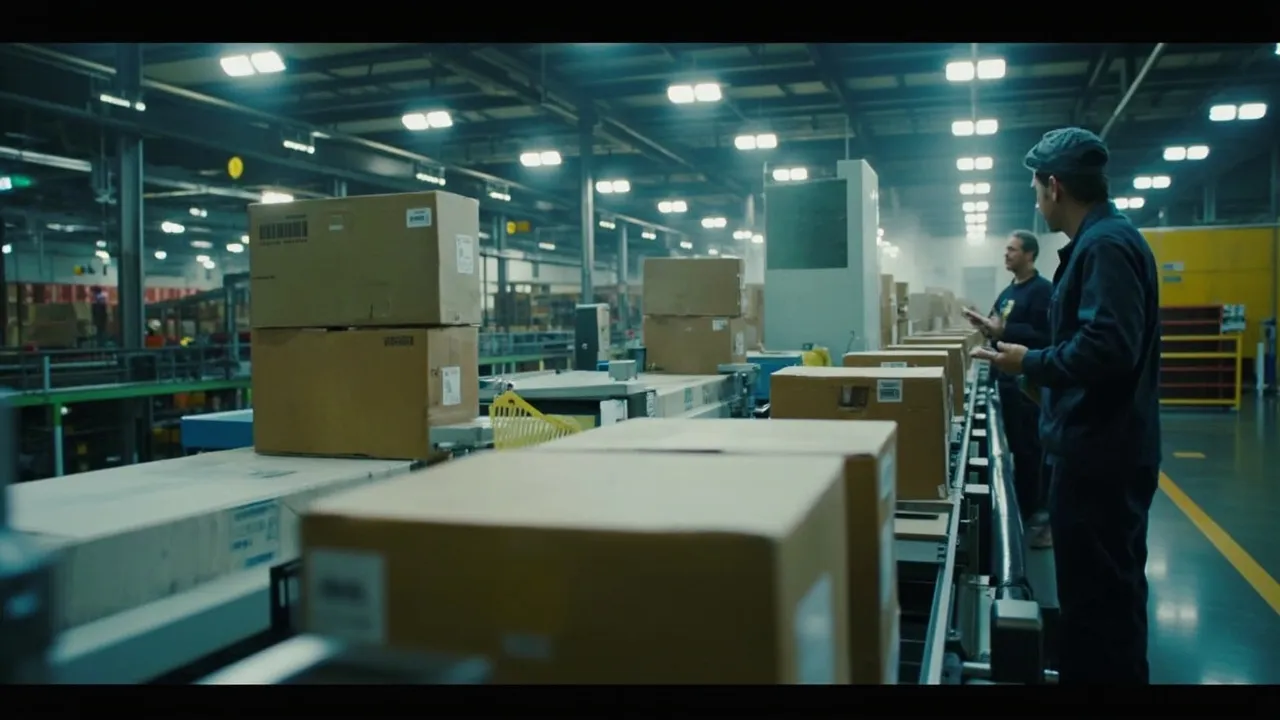
Warehouse automation projects often begin with a compelling target: increase picks per hour. Goods-to-person systems, autonomous mobile robots and high-speed conveyors can deliver that result. Yet a faster pick operation does not guarantee that more orders leave the building. If cartons, labels, documents and labor cannot keep pace at packout, automation has merely moved the queue downstream.
That final queue is especially dangerous because it sits beside the carrier cutoff. Orders may be physically complete but commercially unshipped, tying up inventory and threatening delivery promises. Packout therefore needs to be designed and managed as a production system, not treated as a collection of benches added after the “real” automation is specified.
Why the bottleneck moves to the end of the line
Picking automation produces a relatively regular stream of totes. Packout absorbs far more variation. One order may require a stock carton and a shipping label; the next may need void fill, hazardous-material documentation, a cold pack, gift messaging or a split shipment. Every exception consumes capacity that an average-rate calculation tends to hide.
Modern Materials Handling reports that many companies still rely on end-of-line processes and automation installed 10 to 20 years ago. The result can be higher cost, lower throughput and a bottleneck precisely where completed orders should exit the facility.
The imbalance becomes severe when upstream investment is evaluated in isolation. A picking system celebrated for doubling tote presentation may overwhelm a manual pack area that was already near capacity. Conveyors fill, accumulation zones reach their limits and associates begin staging work on the floor. Upstream scan counts look excellent while shipped-order performance deteriorates.
Measure the constraint that customers experience
The governing metric should be orders shipped correctly before cutoff—not picks, tote touches or cartons inducted. Supporting measures should expose why an order did or did not cross that finish line.
Track pack-station cycle time by order profile, including the median and the 90th or 95th percentile. An overall average blends simple single-item orders with complex exceptions and can badly understate the capacity required during peaks. Measure queue depth in totes or orders at fixed intervals, and convert it into minutes of work using the current achievable rate.
Carton availability deserves its own signal. Record time lost to empty carton slots, replenishment and substitutions. Do the same for label stock, tape, void fill and documentation. Labor reporting should distinguish staffed time from productive time so supervisors can see whether people are waiting for work, materials or system responses.
Finally, count carrier cutoff misses and identify the responsible process stage. A cutoff miss is not simply a transportation event when the parcel spent 45 minutes waiting for a carton or a compliant label.
Useful benchmarks can establish an initial capacity range, but they are not substitutes for local testing. In a separate review of flexible packout automation, Modern Materials Handling notes that a scan-label-apply-manifest line with one label applicator can process 20 to 30 packages per minute with one operator. Actual performance will depend on order mix, packaging rules and exception frequency.
Connect order data to the physical package
Effective packout begins before a tote reaches a station. The warehouse system needs reliable item dimensions, weights, fragility flags and handling restrictions. The order also carries its promised service level, destination, carrier rules and cutoff time. Those inputs should drive cartonization and the work sequence.
The decision flow should answer four questions automatically:
- Which carton or mailer protects the products without paying to transport excess air?
- Which packaging materials and documents are mandatory for the commodity and destination?
- Which carrier service can still meet the customer promise?
- Which label, manifest and downstream sort destination follow from that choice?
When these decisions are disconnected, associates become the integration layer. They search for packaging, remeasure items, request new labels and interpret routing guides under time pressure. Automation should eliminate those decisions from routine work while diverting true exceptions to a station equipped to resolve them.
Transportation data matters here. A change in carton dimensions can alter dimensional weight and carrier eligibility. A late service upgrade can change documentation and sortation. Connecting warehouse execution with CXTMS helps keep carrier selection, service commitments and shipment records aligned with what is physically packed.
Test the whole line, not individual machines
An acceptance test should start with released customer orders and end with carrier-ready shipments. Run a representative mix that includes multi-line orders, oversized items, documentation requirements, damaged labels, carton replenishment and late priority orders. Include sustained peak volume, not only a short demonstration at nominal speed.
Set acceptance criteria around total shipped orders, accuracy and cutoff attainment. Then add boundaries for queue growth, cycle-time percentiles, manual touches, packaging consumption and recovery time after a fault. A system that reaches its advertised machine rate for 15 minutes but accumulates an unrecoverable queue has not passed.
Test degraded modes as well. What happens when the preferred carton is unavailable, one label applicator stops or a carrier service becomes invalid? Operators need a controlled fallback that preserves shipment data and prevents duplicate labels. Supervisors need alerts early enough to rebalance labor or redirect flow before the cutoff is lost.
Make packout part of fulfillment planning
Packout capacity should appear in daily planning alongside receiving, picking, dock doors and carrier capacity. Forecast the workload by packaging path and order complexity, then schedule stations, consumables and labor against the hours when work will arrive. During execution, use queue minutes and projected cutoff completion to trigger interventions.
The principle is simple: a warehouse does not create customer value when it scans an item faster. It creates value when the correct order is packed, documented, tendered and visible in the transportation workflow. Treating packout as an engineered constraint turns impressive upstream activity into actual shipped volume.
Ready to connect warehouse execution with smarter transportation planning and shipment visibility? Request a CXTMS demo to see how one operational platform can keep orders moving through the final mile of fulfillment.