Panama Canal Draft Restrictions Need a Cargo-Weight Decision Tree

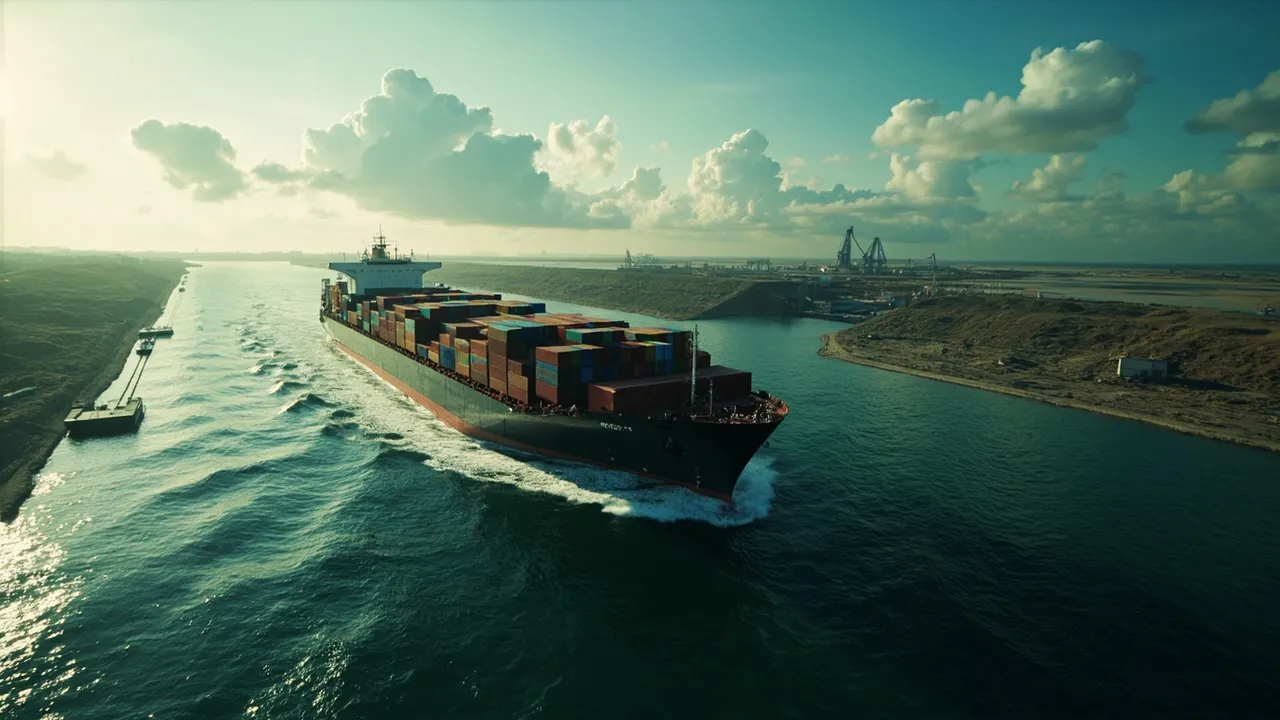
Panama Canal disruption is often described as a vessel-queue problem. In a low-water cycle, that description is incomplete. A ship can obtain a transit slot and still be unable to pass at its planned load because its draft—the depth of the hull below the waterline—exceeds the limit in force on the transit date.
That turns cargo weight into an operational routing constraint. Ocean teams must decide which containers remain on the booked sailing, which move through another gateway, and which customer orders can tolerate a later arrival. Those decisions should happen before the carrier closes the load plan, not after cargo reaches the port.
The current warning is measurable
SupplyChainBrain reported that 113 vessels were waiting to transit as of August 3, 2026, up from 40 in early January. Ships were reportedly waiting as long as 10 days. The average August auction price for a priority slot had reached $1.1 million—more than 16 times its year-earlier level—and one container ship reportedly paid $4 million to move forward in the queue.
Water conditions add a second constraint. The same report said Gatun Lake was below its 1965–2022 historical average and cited a changing schedule of allowable drafts, including 48 feet from August 26 and 47.5 feet from September 3. A half-foot adjustment sounds small, but across a large vessel it can remove substantial payload capacity.
Historical episodes show how quickly the effect reaches cargo. During the 2023 drought, FreightWaves reported that 116 vessels were waiting, average general-cargo delay was 5.8 days, and daily transits had fallen from 34–36 to 32. Carriers were transferring 600–800 containers at a time across Panama by rail to lighten ships. These figures are not a forecast for every 2026 sailing; they demonstrate the operating mechanisms shippers need to prepare for.
Why draft changes alter the shipment plan
Draft is driven by the total weight aboard and how that weight is distributed. When the canal lowers its maximum, a carrier may accept fewer loaded containers, reduce fuel or stores where practical, offload cargo, or change the voyage. Dense commodities are exposed first because they consume weight faster than they consume vessel slots.
The commercial consequences spread beyond the ship. A container removed from a sailing may lose its inland rail connection, miss a delivery appointment, or arrive after promotional inventory is needed. A carrier may restrict booking acceptance on weight-sensitive services even before an official reduction takes effect. Rerouting around Cape Horn or through another gateway changes transit time, fuel economics, and downstream capacity. Transshipping cargo across Panama adds handling, documentation, damage exposure, and another set of cutoffs.
This is why a simple “wait or pay” response is inadequate. Paying for a priority transit slot does not solve an excessive-draft problem, while waiting may protect freight cost but destroy the value of time-sensitive inventory.
Build the cargo-weight decision tree
Start when the canal authority announces a draft or transit change, or when the carrier issues a load restriction. Evaluate each affected booking through four decisions.
1. Can the booked vessel carry the planned weight?
Compare the carrier’s revised cargo allowance with confirmed gross mass, hazardous-goods requirements, reefers, out-of-gauge cargo, and other equipment constraints. Do not use only container count. If the carrier has not confirmed acceptance under the effective draft, treat the booking as at risk.
2. Which inventory must keep the original arrival window?
Rank containers by business impact: production-line material, perishables, launch or promotional stock, contractual service penalties, and high-margin customer orders should outrank replenishment inventory with adequate days of supply. Connect each container to purchase orders and customer commitments so prioritization reflects value, not whoever escalates first.
3. What is the least-damaging alternative?
Use four branches:
- Keep the booking when the carrier confirms the weight and the revised canal schedule still meets the required date.
- Split the shipment when priority inventory can remain aboard while lower-priority containers move to a later sailing.
- Use an alternate gateway when the additional inland or ocean cost is lower than the expected delay cost. Model port capacity, drayage, rail service, customs, and appointment availability together.
- Transship across Panama when the carrier offers a controlled land bridge and the extra handling is acceptable for the commodity.
Record the choice, cost, arrival-date impact, approver, and reason. That creates evidence for later carrier claims, customer communication, and network review.
4. Has the decision deadline passed?
Every branch needs a cutoff. Include the carrier’s documentation close, verified-gross-mass deadline, port receiving window, canal booking date, and last date an alternate route can still protect delivery. A technically available alternative is useless after its sailing closes.
Monitor milestones, not headlines
A transportation management system should translate canal conditions into shipment-level exceptions. Monitor the published draft limit and effective date, Gatun Lake trend, daily transit allocation, booked versus auction slot, vessel arrival at canal waters, queue position, carrier load confirmation, rolled-container notices, transshipment events, and revised port ETA.
Set alerts against business consequences. A draft reduction should identify bookings whose weight confirmation is unresolved. A queue increase should recalculate delivery risk. A carrier roll should immediately expose affected orders, inventory coverage, appointments, and alternate sailings. Teams also need one shared estimate of added cost and delay; conflicting spreadsheets make a fast response slower.
After the event, compare decisions with actual outcomes: days of delay avoided, premium freight and storage cost, containers rolled, customer commitments protected, and forecast accuracy. That feedback improves the threshold for the next restriction.
Panama Canal risk cannot be managed as a generic weather alert. It belongs in the load, inventory, and routing workflow. A cargo-weight decision tree gives operators a repeatable way to protect the shipments that matter most while there is still time to act.
Ready to connect ocean milestones, inventory priorities, and routing exceptions in one workflow? Request a CXTMS demo.