Insights
Industry insights, integration guides, and product updates from the CXTMS team.
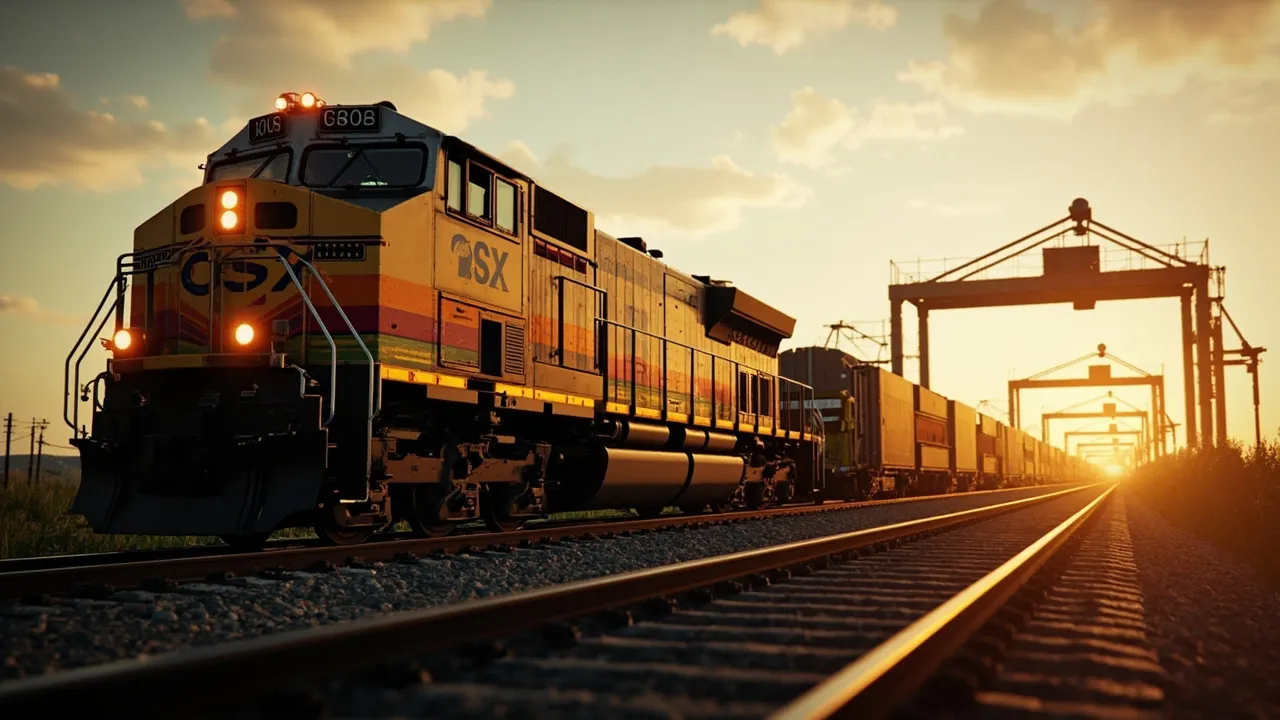
Alabama’s $100M Inland Port: Qualify the Mobile–Montgomery Rail Shuttle Before Committing Volume
Alabama’s Montgomery inland port could reshape container routings, but shippers should test density, dwell, chassis, cutoffs, and recovery before committing volume.
 CXTMS InsightsSeptember 23, 20266 min read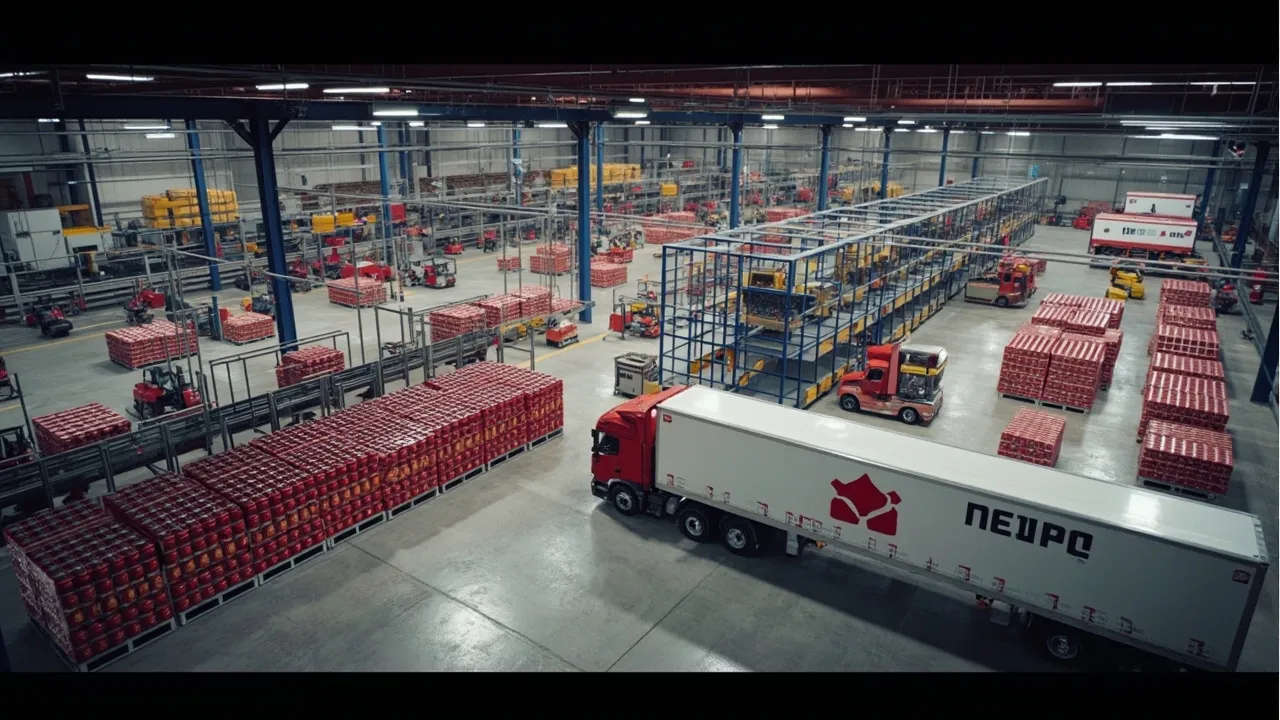
Coca-Cola’s $10B U.S. Manufacturing Plan Needs a Bottling-Network Logistics Scorecard
Coca-Cola’s $10 billion U.S. manufacturing plan will reshape bottling logistics. A readiness scorecard can keep capacity, warehouses, fleets, and launches aligned.
CXTMS InsightsSeptember 23, 2026 · 6 min read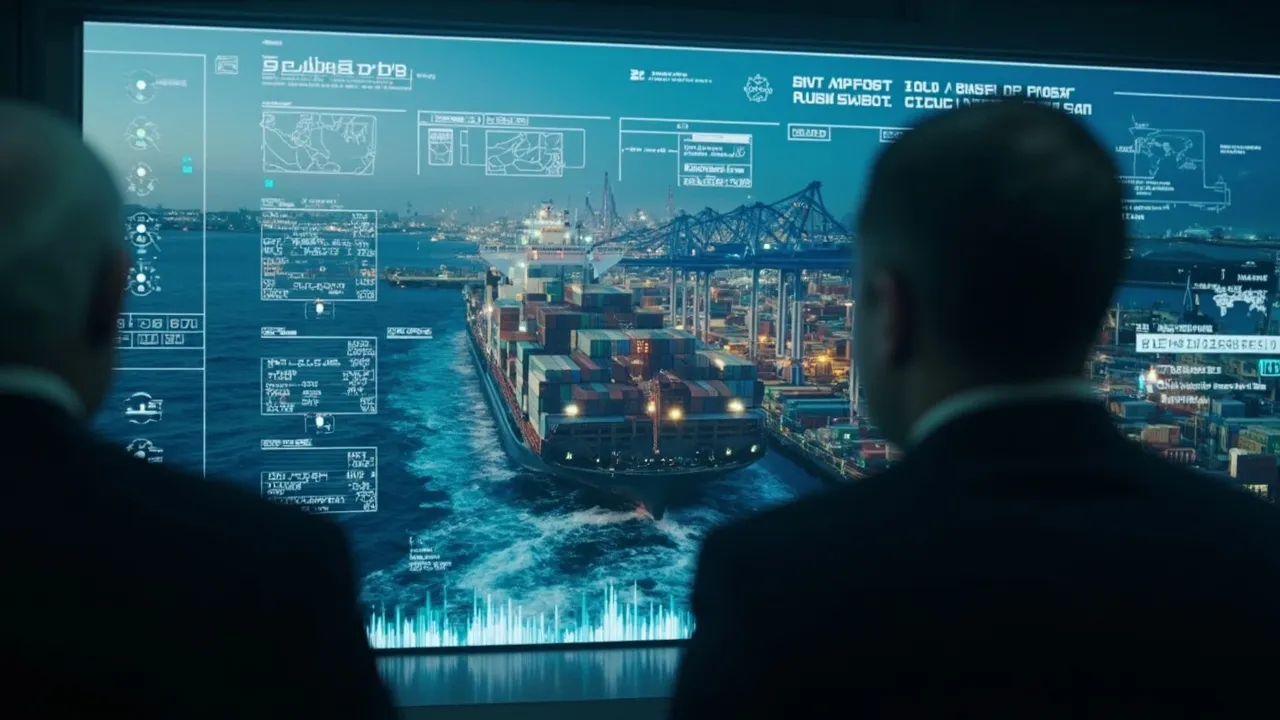
Only One-Third of Container Shipping Is On Time: Replace ETA Dates With Confidence Bands
When container schedules fail, a single ETA creates false certainty. Learn how lane-level confidence bands improve inventory, customer promises, and recovery decisions.
CXTMS InsightsSeptember 23, 2026 · 6 min read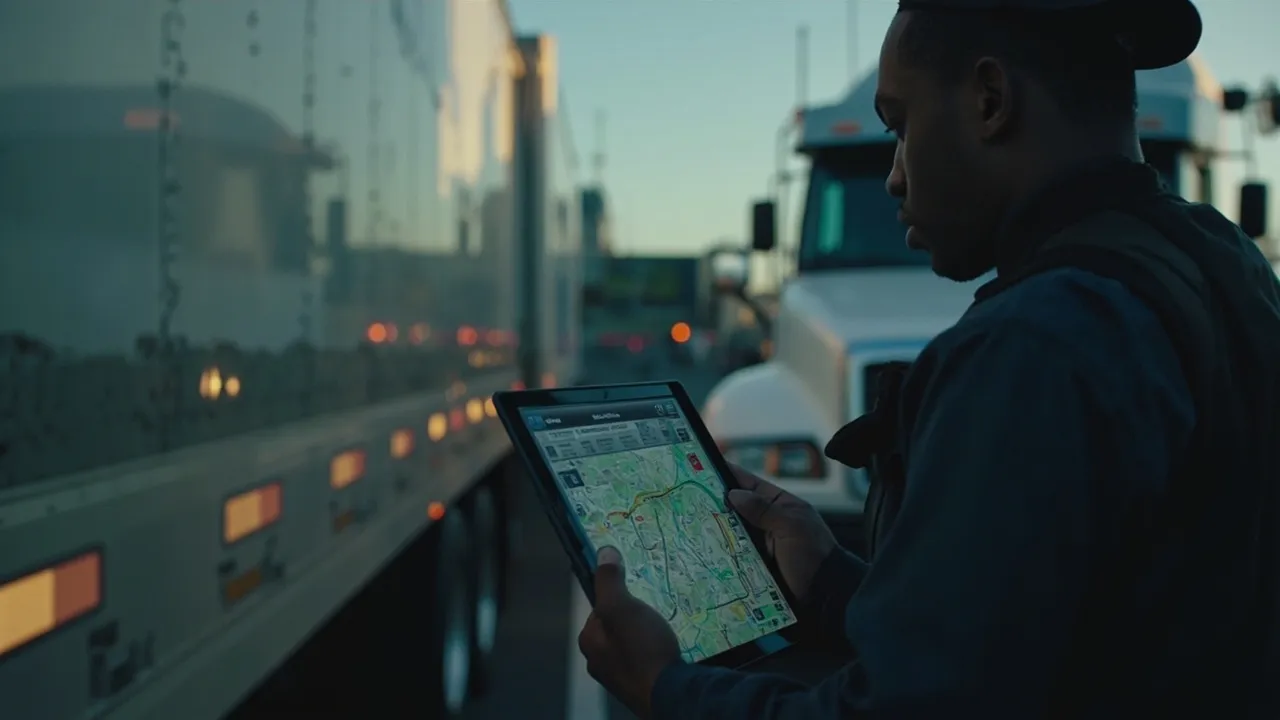
When Route Plans Meet Reality: Capture Driver Overrides as Logistics Data
Turn driver route overrides into structured operational data that improves travel times, stop durations, delivery windows, and route compliance.
CXTMS InsightsSeptember 23, 2026 · 6 min read
Extreme Heat Is Delaying Electronics Suppliers: Add Thermal Risk to Purchase-Order Promises
Extreme heat is disrupting electronics production and supplier deliveries. Learn how thermal risk signals can make purchase-order promises more reliable.
CXTMS InsightsSeptember 23, 2026 · 6 min read
Cost-Conscious Halloween Shoppers Require a Sell-Through Trigger, Not a Bigger Seasonal Bet
Halloween demand remains strong, but value-focused shoppers make oversized seasonal inventory risky. Use sell-through triggers to control releases, markdowns, and freight.
CXTMS InsightsSeptember 23, 2026 · 6 min read
750 Trucks for Game Day: What Stadium Freight Teaches About Zero-Fail Event Logistics
The Packers’ 750-truck game-day ecosystem shows how event logistics teams can classify critical freight, control custody, and prebuild recovery plans.
CXTMS InsightsSeptember 23, 2026 · 6 min read
P.F. Chang’s Inventory-Purchasing Link: Build One Restaurant Supply Exception Queue
P.F. Chang’s renewed supply chain technology partnership shows why restaurant operators need one exception queue connecting inventory, contracts, pricing, and replenishment.
CXTMS InsightsSeptember 23, 2026 · 6 min read
Resilience Is Replacing Lowest Cost in Site Selection: Build a Constraint-Weighted Location Model
A constraint-weighted site selection model converts tariff, energy, labor, and transportation uncertainty into explicit knockout rules, scores, and scenarios.
CXTMS InsightsSeptember 23, 2026 · 6 min read
StarKist Supplier Allegations: Map Forced-Labor Evidence to Every Seafood Lot
Seafood importers need lot-level evidence linking vessels, crews, transshipment, processors, and finished goods when forced-labor allegations emerge.
CXTMS InsightsSeptember 23, 2026 · 6 min read