A $135 Million Washington Terminal Expansion Needs a Rail-to-Berth Capacity Model

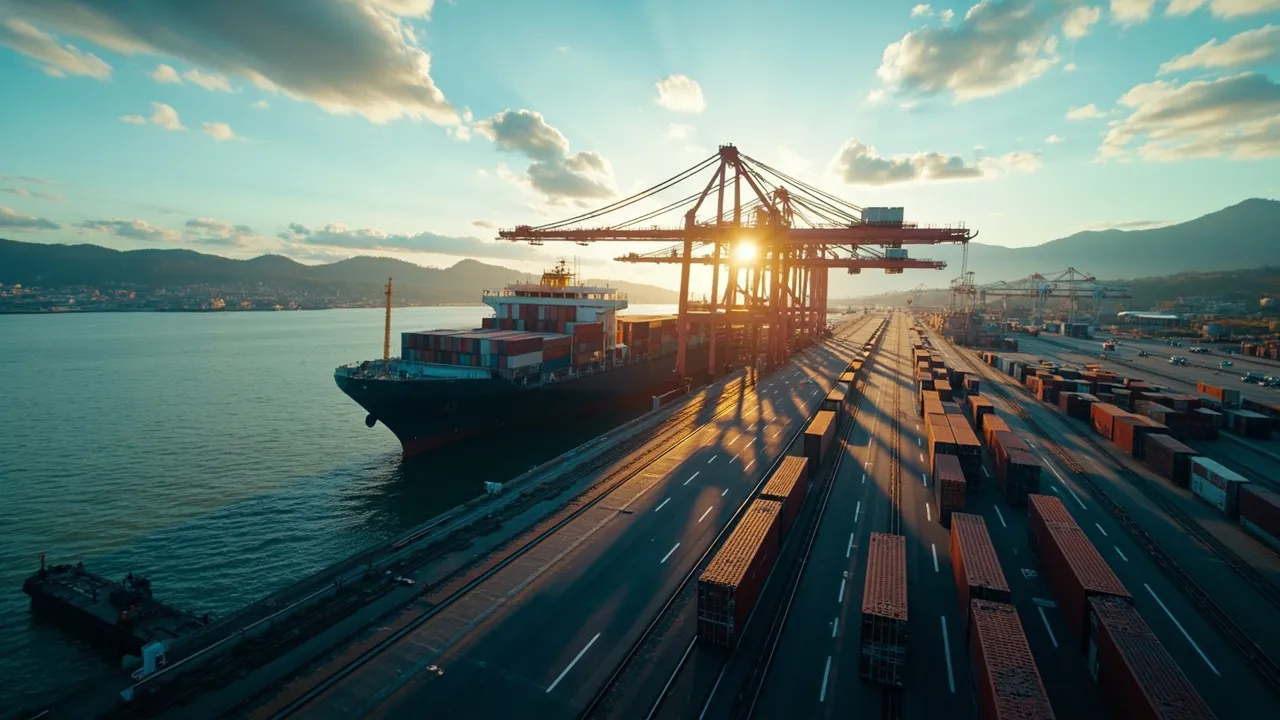
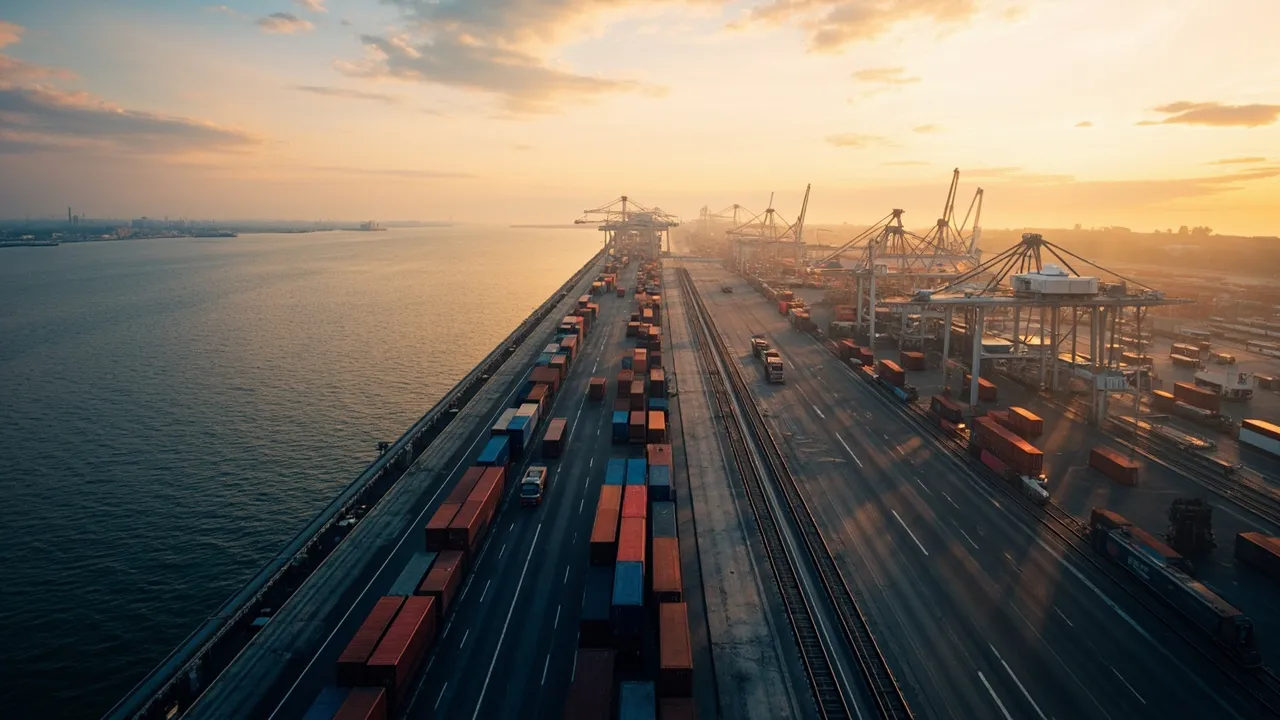
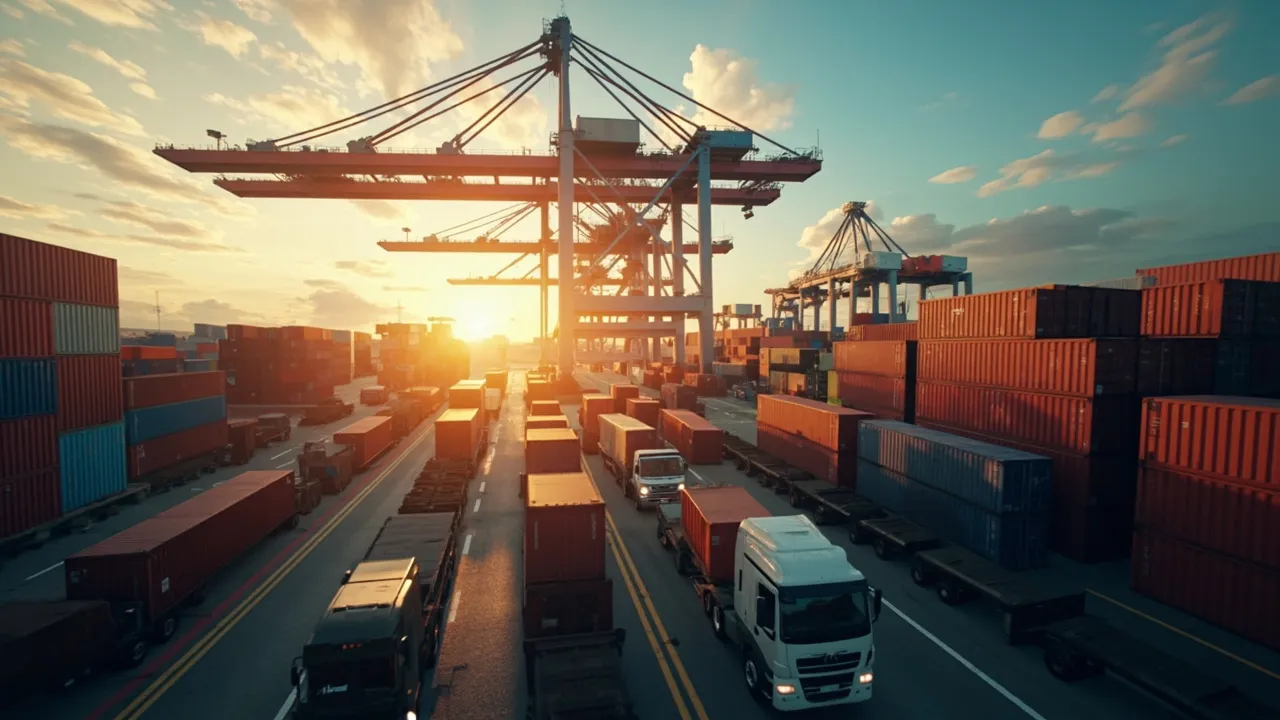
Washington United Terminals is preparing for a substantial expansion at the Port of Tacoma. The headline numbers are compelling: a $135 million investment, completion anticipated in 2030, and annual capacity expected to rise from 590,000 to 880,000 twenty-foot equivalent units (TEUs). That is an increase of 290,000 TEUs, or roughly 49%.
For cargo owners, however, nameplate capacity is not the same as dependable throughput. A terminal can add berth capability and yard space while containers still wait for cranes, chassis, gate appointments, railcars, or inland connections. The useful question is therefore not simply how many TEUs the expanded facility can theoretically process. It is whether every link from ship discharge to inland departure can support the same operating pace.
What the investment changes
FreightWaves reports that the overall investment is $135 million and that full project completion is expected in 2030. The upgrade is intended to accommodate large container ships and lift annual capacity from 590,000 to 880,000 TEUs.
That additional 290,000 TEUs equals about 24,167 TEUs per month if volume is evenly distributed. Real terminals do not receive evenly distributed demand. Vessel bunching, weather, blank sailings, labor availability, and peak-season surges concentrate workload into narrower windows. An expansion plan therefore needs to survive peak-week and peak-shift conditions, not only an annual average.
WUT's on-dock rail access is an important advantage because it can reduce the truck moves and handoffs required to transfer inland cargo. Yet rail only accelerates the system when tracks, switching windows, train assembly space, locomotive and crew availability, and inland terminal capacity align with the vessel schedule.
Build a rail-to-berth capacity model
Importers evaluating the terminal should request a capacity model covering six connected functions:
- Berth capacity: vessel calls per week, maximum vessel size, berth occupancy, and schedule recovery time after a late arrival.
- Crane capacity: gross and net moves per hour, crane availability, planned maintenance, and the number of cranes that can work one vessel without interference.
- Yard capacity: usable ground slots, stacking density, reefer plugs, hazardous-cargo constraints, and rehandles per container.
- Gate and chassis capacity: appointment supply, queue time by hour, dual-transaction rates, chassis availability, and trouble-ticket resolution.
- Rail capacity: working-track length, trains per week, lift rate, cut-off compliance, and time from discharge to train departure.
- Inland capacity: receiving windows, rail ramp dwell, drayage availability, and final delivery appointments.
The model's governing throughput is the lowest sustainable capacity among these functions. Adding crane moves does not increase end-to-end throughput if the yard fills faster than rail and trucks can evacuate it. Likewise, more on-dock rail tracks will not help if containers routinely miss train cut-offs because discharge sequencing and customs release occur too late.
The scale of supporting infrastructure matters. In another West Coast example, Supply Chain Dive reported that Long Beach's Pier B project would expand its rail yard to 171 acres and more than triple on-dock rail capacity. The comparison is not a prescription for Tacoma; it illustrates that rail growth must be engineered as a major system in its own right.
Measure dwell and missed connections during ramp-up
Average container dwell can hide operational instability. Importers should monitor separate clocks for local import, rail import, export, and empty equipment. They should also examine the 90th percentile, not just the average. If average rail dwell is two days but the slowest 10% of boxes wait five or six days, inventory and production plans need to reflect that tail risk.
Missed rail connections deserve their own metric. Track the share of rail-designated containers discharged before cut-off that actually depart on the intended train. Then record the reason for each miss: customs hold, late discharge, yard location, documentation, train capacity, mechanical issue, or carrier decision. A rising miss rate may identify strain before annual TEU statistics reveal it.
Historical congestion shows how quickly aging inventory can accumulate. Supply Chain Dive noted that Los Angeles still had just over 9,400 containers waiting nine days or longer after that count had already fallen 75% from its October level. The lesson is straightforward: once flow becomes unbalanced, recovery can require sustained intervention even after conditions improve.
When should importers shift volume?
Importers should treat the expansion as a staged operational change, not a single opening date. Before moving a large share of freight, ask for evidence from representative vessel calls and peak periods.
A sensible transition uses three gates. First, confirm that berth and crane productivity meets plan without pushing yard utilization into a danger zone. Second, verify stable local and rail dwell over at least several consecutive service cycles. Third, confirm that missed connections, gate turn times, chassis shortages, and exception backlogs remain within contractual thresholds during a volume increase.
Start with a limited allocation and keep an alternate gateway available. Increase the share only after the terminal demonstrates predictable performance for the importer's actual cargo profile, including reefer, overweight, hazardous, or time-sensitive loads where applicable. The lowest ocean rate can be erased quickly by storage, demurrage, extra drayage, production disruption, or an unplanned inventory buffer.
Turn terminal events into shipment decisions
The Washington expansion can create meaningful new capacity and stronger intermodal options in the Pacific Northwest. Its value to shippers will depend on synchronization: berth to crane, crane to yard, yard to rail or gate, and terminal departure to final delivery.
CXTMS gives logistics teams one place to track shipment milestones, exceptions, documents, and transportation activity across those handoffs. Request a CXTMS demo to see how your team can monitor port and rail performance while scaling volume through a changing gateway.