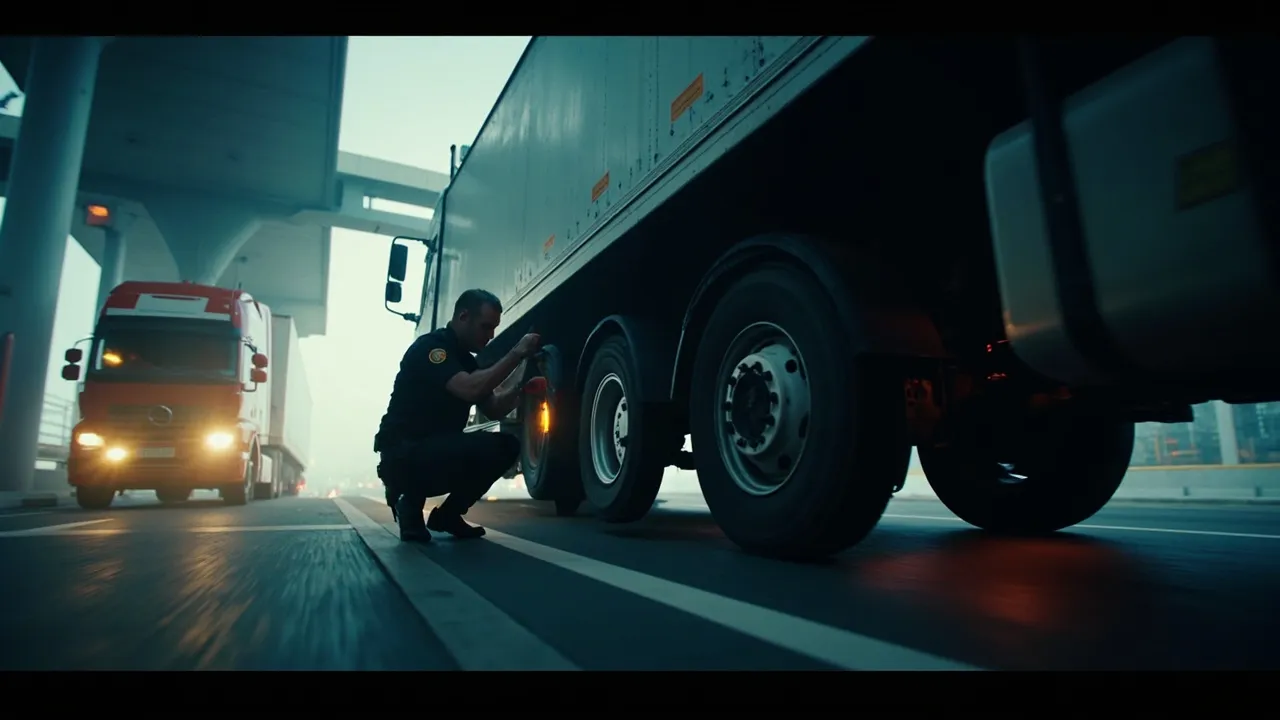
Forced-Labor Tariffs Are Turning Origin Proof Into a Daily Logistics Control

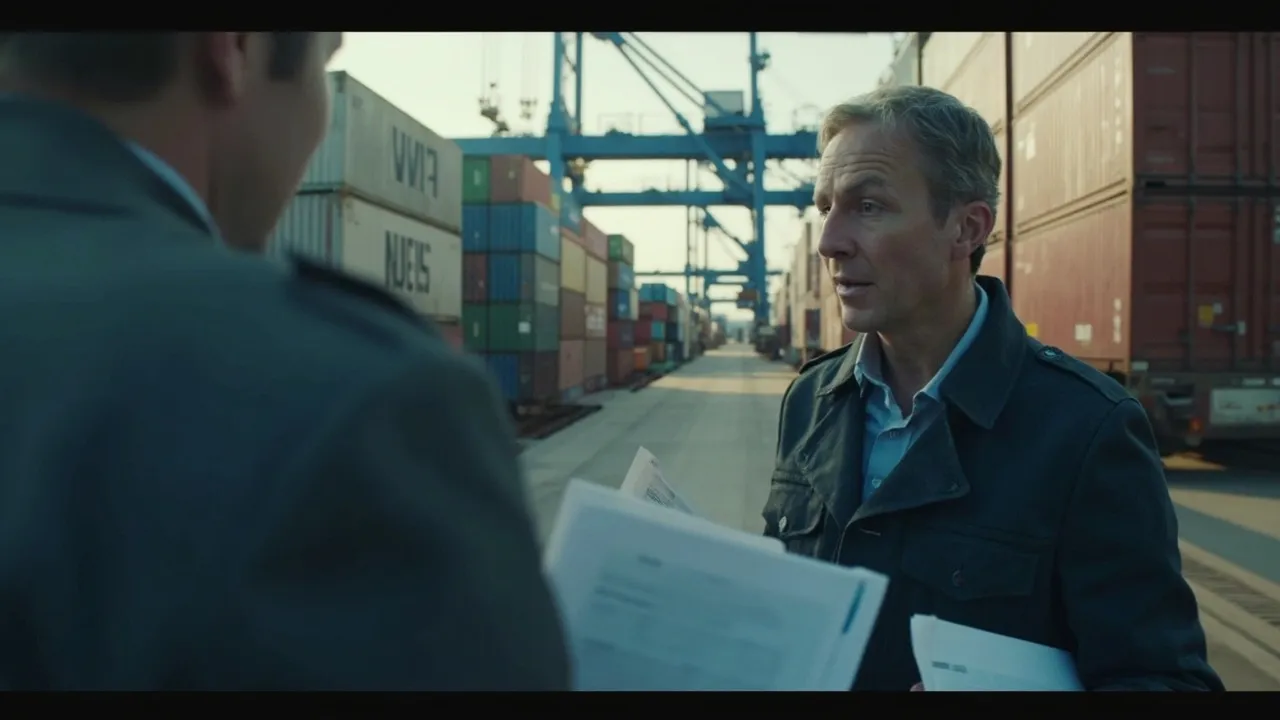
Origin documentation used to be treated like a trade-compliance file: important, but often separate from the daily movement of freight. That wall is coming down fast. The latest U.S. forced-labor tariff proposal makes origin proof an operating control, not a paperwork exercise.
The U.S. Trade Representative is proposing additional tariffs on imports from 60 trading partners after investigations found failures to impose and enforce bans on goods made with forced labor. According to Supply Chain Dive, the proposed rates would be 10% or 12.5%, depending on the trade partner's forced-labor import regime. Reuters reported the same core proposal: tariffs of up to 12.5% on imports from 60 economies after U.S. officials determined those economies had not done enough to curb forced-labor goods.
For logistics teams, the tariff number is only the headline. The real operational shift is this: every import lane now needs evidence that can travel with the shipment, survive customs scrutiny, and be retrieved quickly when an exception hits.
The duty rate is not the hardest part
A 10% or 12.5% tariff is painful. But at least a tariff can be modeled. The bigger problem is uncertainty around whether a shipment qualifies for an exemption, whether supplier evidence is complete, and whether the importer can prove the chain of origin before the container is delayed, reclassified, or repriced.
Supply Chain Dive noted that the proposal includes several exemptions, including goods compliant with the United States-Mexico-Canada Agreement, products already subject to Section 232 tariffs, certain raw materials tied to domestic supply shortages, and goods that cannot be produced or grown in sufficient quantities in the U.S. That sounds like relief. In practice, it creates a documentation burden.
A freight forwarder cannot simply label a shipment "USMCA compliant" and move on. The operating system needs the certificate, supplier declaration, HS code, country-of-origin record, product eligibility logic, and customs milestone history connected to the shipment. If those records live in email folders, PDFs on local drives, or a trade team's spreadsheet, the logistics desk is flying blind when a broker, customs official, or customer asks for proof.
Forced-labor enforcement is already a shipment-level issue
The new proposal also builds on a broader enforcement environment that has been getting more shipment-specific. A prior Supply Chain Dive report found that U.S. Customs and Border Protection had detained 5,059 shipments valued at $1.7 billion under forced-labor law as of July 2023, with many shipments connected to Malaysia, Vietnam, and China. That history matters because it shows the practical enforcement pattern: goods do not get challenged in the abstract. Containers, purchase orders, suppliers, and product lines get challenged.
That is why logistics leaders should resist the temptation to treat forced-labor risk as only a sourcing or legal issue. Procurement may own the supplier relationship. Legal may interpret the standard. Trade compliance may prepare the filing. But transportation is where the delay becomes visible, the customer call happens, the demurrage clock starts, and the rework lands.
A shipment that lacks origin proof is not merely noncompliant. It is operationally fragile.
Blanket exposure and exemptions both require better data
The proposal's split-rate structure is a useful warning. Some economies would face the proposed 10% rate because they have full or partial forced-labor import regimes. Others, including major manufacturing and sourcing markets, would face 12.5%. Reuters also reported that Mexico expected USMCA-compliant exports to be exempt from the forced-labor tariffs, underscoring how rules-of-origin data can determine whether the freight is exposed or protected.
That distinction is exactly where many logistics workflows break. Operators often know the shipper, consignee, carrier, port pair, and estimated arrival. They may not know whether the underlying SKU is tied to a qualifying origin certificate, whether a supplier changed production location, or whether the shipment combines exempt and non-exempt goods.
Those details cannot be buried in annual trade files. They need to be operational fields, attached documents, and exception triggers.
For example, a tariff-sensitive lane should answer five questions before the freight moves:
- Which supplier, factory, and country of origin are tied to the shipment?
- Which HS codes and product categories are included?
- Does the shipment claim USMCA or another exemption?
- What labor-risk evidence, supplier declarations, or audit documents support the filing?
- Who owns the exception if customs requests more proof?
If the answer to any of those questions is "someone probably has it," the process is not ready.
Forwarders need exception-ready customs workflows
The operational response should not be another static compliance checklist. Checklists help, but only if they sit inside the work. Forwarders and importers need customs workflows that connect documents, risk flags, milestones, and decisions at shipment level.
That means supplier onboarding should feed transportation records. Origin certificates should be associated with shipment lines, not just vendors. Broker requests should become trackable tasks with owners and deadlines. Customs holds should trigger escalation rules before storage charges accumulate. And tariff-exemption logic should be visible before dispatch, not discovered after arrival.
There is also a customer-service angle. When tariffs are proposed, amended, challenged, or exempted, customers ask the logistics team for answers. The best answer is not a long email chain. It is a clean shipment history showing what was filed, what proof was attached, which milestones cleared, what exception occurred, and who approved the response.
That audit trail is becoming a competitive advantage.
The CXTMS lesson: proof belongs in the execution layer
CXTMS is built around the idea that logistics execution should carry the evidence needed to manage cost, service, and compliance. Forced-labor tariff risk makes that principle unavoidable.
A modern TMS should help teams capture origin documents, flag supplier labor-risk exposure, connect customs milestones to shipments, and preserve the full history of decisions made along the way. It should also make exceptions visible to the people who can act: compliance, brokerage, operations, customer service, and finance.
The goal is not to turn dispatchers into trade lawyers. The goal is to prevent freight from moving without the proof the business may need tomorrow.
As forced-labor enforcement expands, logistics teams will need to treat origin proof the same way they treat rates, appointments, and PODs: a core operating record. Companies that do this well will move faster through ambiguity. Companies that do not will discover that a missing document can be just as disruptive as a missing truck.
Ready to make customs evidence part of everyday execution? Schedule a CXTMS demo and see how shipment-level workflows can keep documentation, risk flags, and exception history connected from booking to final delivery.