Geopolitical Risk
13 posts tagged with “Geopolitical Risk”
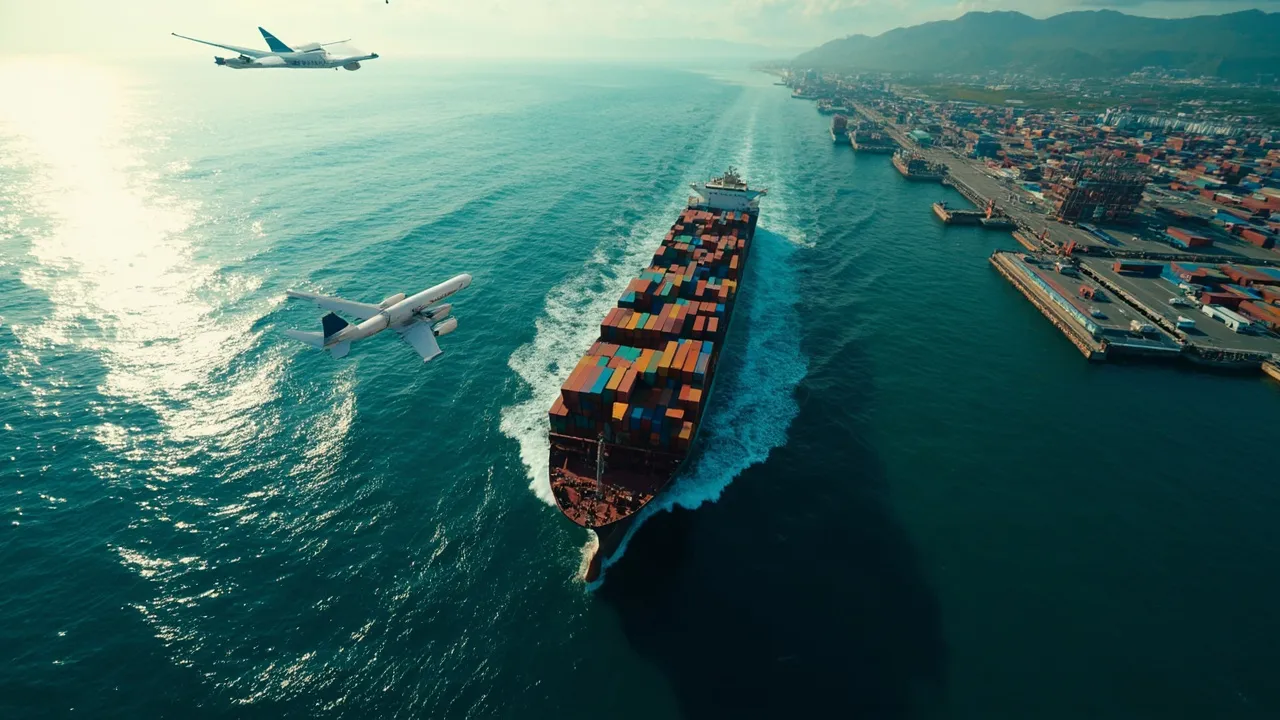
Global Trade Is Aligning Politically but Staying Physically Long—Score Lanes on Both Risks
Build a two-axis freight lane score that separates geopolitical exposure from physical transit fragility, then use it to set buffers and routing alternatives.
 CXTMS InsightsSeptember 28, 2026 · 6 min read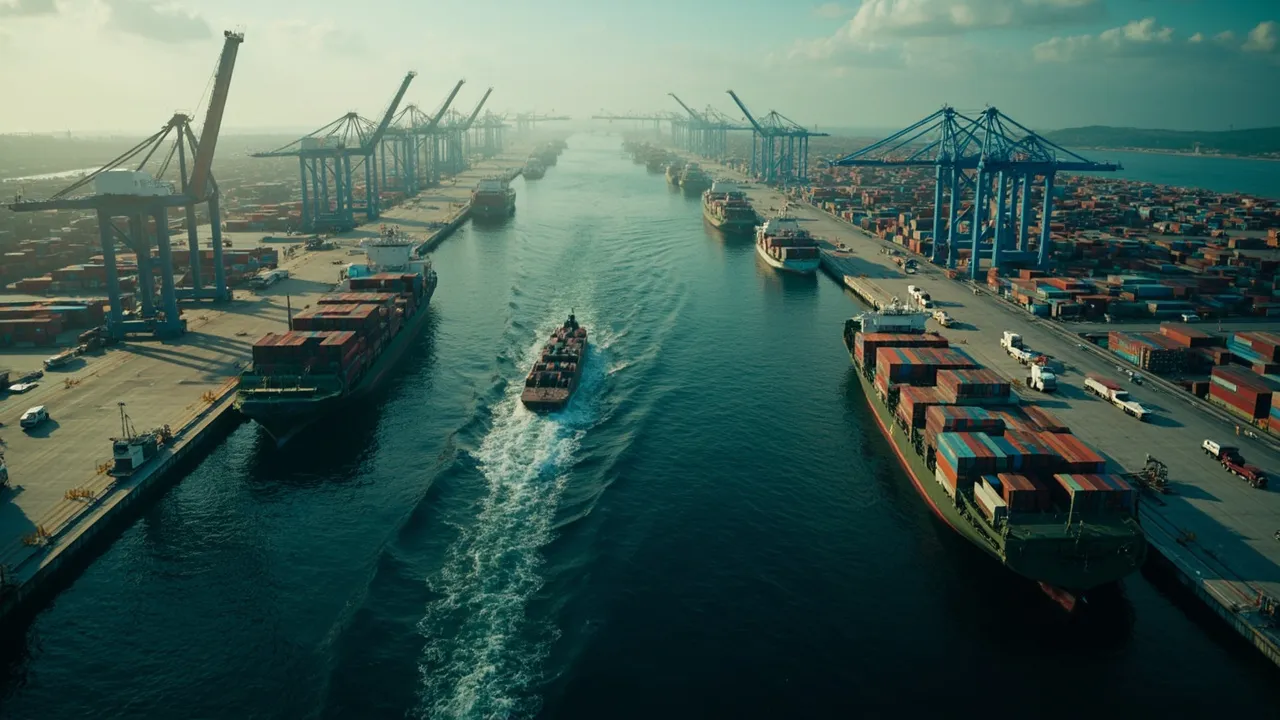
CK Hutchison’s $1.5 Billion Panama Claim Is a Port-Concession Continuity Warning
Panama’s port dispute shows why shippers need a continuity file for bookings, customs, equipment, payments, and evidence when terminal control changes.
CXTMS InsightsAugust 24, 2026 · 6 min read
Strait of Hormuz Fees Would Turn Maritime Risk Into a Line-Item Cost Control Problem
Proposed Strait of Hormuz fees would force shippers to manage maritime risk as a modeled cost-control problem across surcharges, routing, procurement, and TMS governance.
CXTMS InsightsJune 22, 2026 · 7 min read
India’s Russian Marine Insurance Move Exposes a New Weak Point in Global Energy Logistics
India’s decision to expand approved Russian marine insurers from eight to 11 shows that insurance capacity has become a hard logistics constraint in energy trade. For shippers, that means sanctions exposure, coverage quality, and corridor risk now matter alongside vessel availability and freight rates.
CXTMS InsightsApril 23, 2026 · 7 min read
Russian Rail Is No Longer a Temporary Disruption Story. It’s a Structural Network Recalibration.
Russia’s rail deterioration is no longer a short-term disruption. With cargo loading at its lowest level since 2003, debt tripling since 2022, and East-West traffic shifting into constrained alternatives, shippers need to redesign Eurasian networks around structural unreliability, not hoped-for normalization.
CXTMS InsightsApril 23, 2026 · 7 min read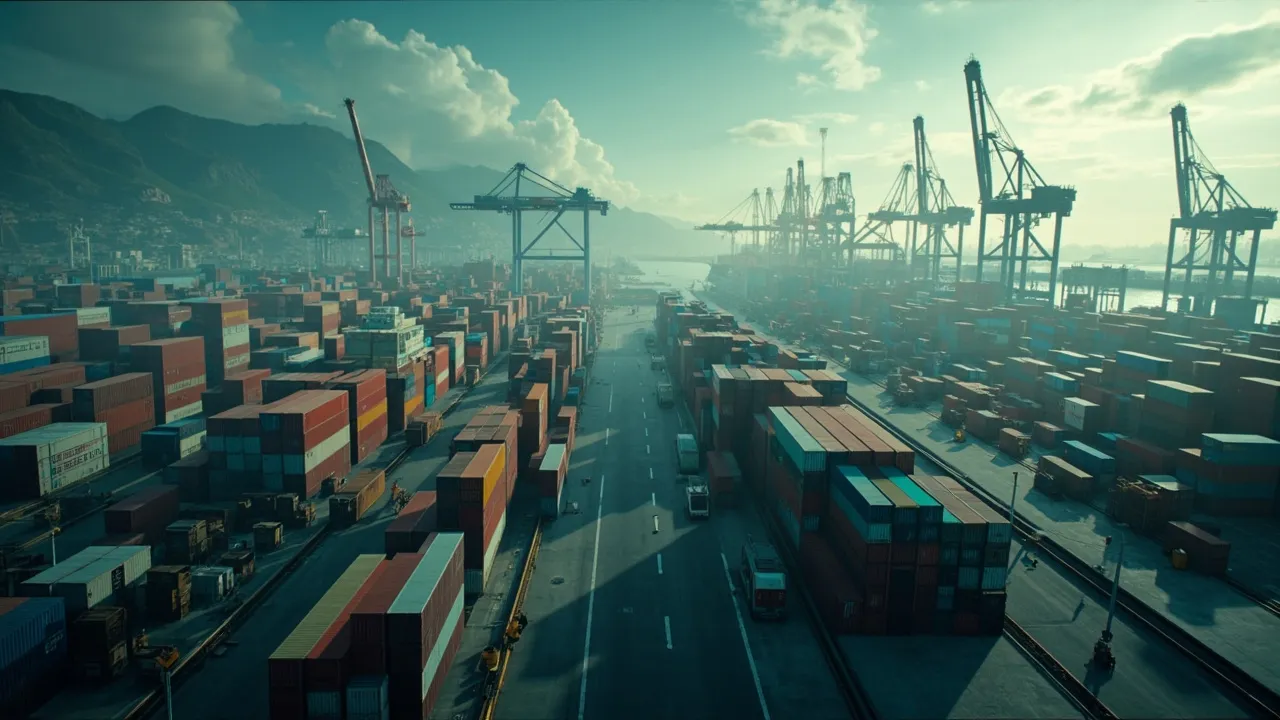
China and South Korea Just Built a Supply Chain Hotline for Rare Earths, Batteries, and Chips
China and South Korea have agreed to activate direct communication channels during logistics delays or raw material shortages, a move with real implications for rare earths, batteries, and semiconductor supply chains.
CXTMS InsightsApril 11, 2026 · 7 min read
China Controls the Digital Supply Chain Backbone
Altana AI CEO warns China controls digital trade networks and port systems, creating invisible supply chain vulnerabilities most companies haven't mapped.
CXTMS InsightsMarch 30, 2026 · 6 min read
Maritime Cargo Insurance Premiums Surge 300% at Hormuz: How the World's Most Expensive Waterway Is Adding a Hidden Cost Layer for Every Shipper
War risk insurance premiums for vessels transiting the Strait of Hormuz have surged 300% to over 1000%, turning a $40,000 voyage premium into $1.2 million. Learn how this hidden cost layer cascades through freight rates to every shipper's landed cost.
CXTMS InsightsMarch 22, 2026 · 7 min read
Agricultural Commodity Freight Under Siege: How Conflict-Driven Shipping Costs Are Threatening Global Food Trade Routes in 2026
With 400,000 tonnes of Indian basmati rice stranded and war risk surcharges adding up to $1,500 per container, the 2026 Strait of Hormuz crisis is exposing just how fragile agricultural commodity freight is when geopolitical conflict disrupts the world's most critical shipping lanes.
CXTMS InsightsMarch 20, 2026 · 7 min read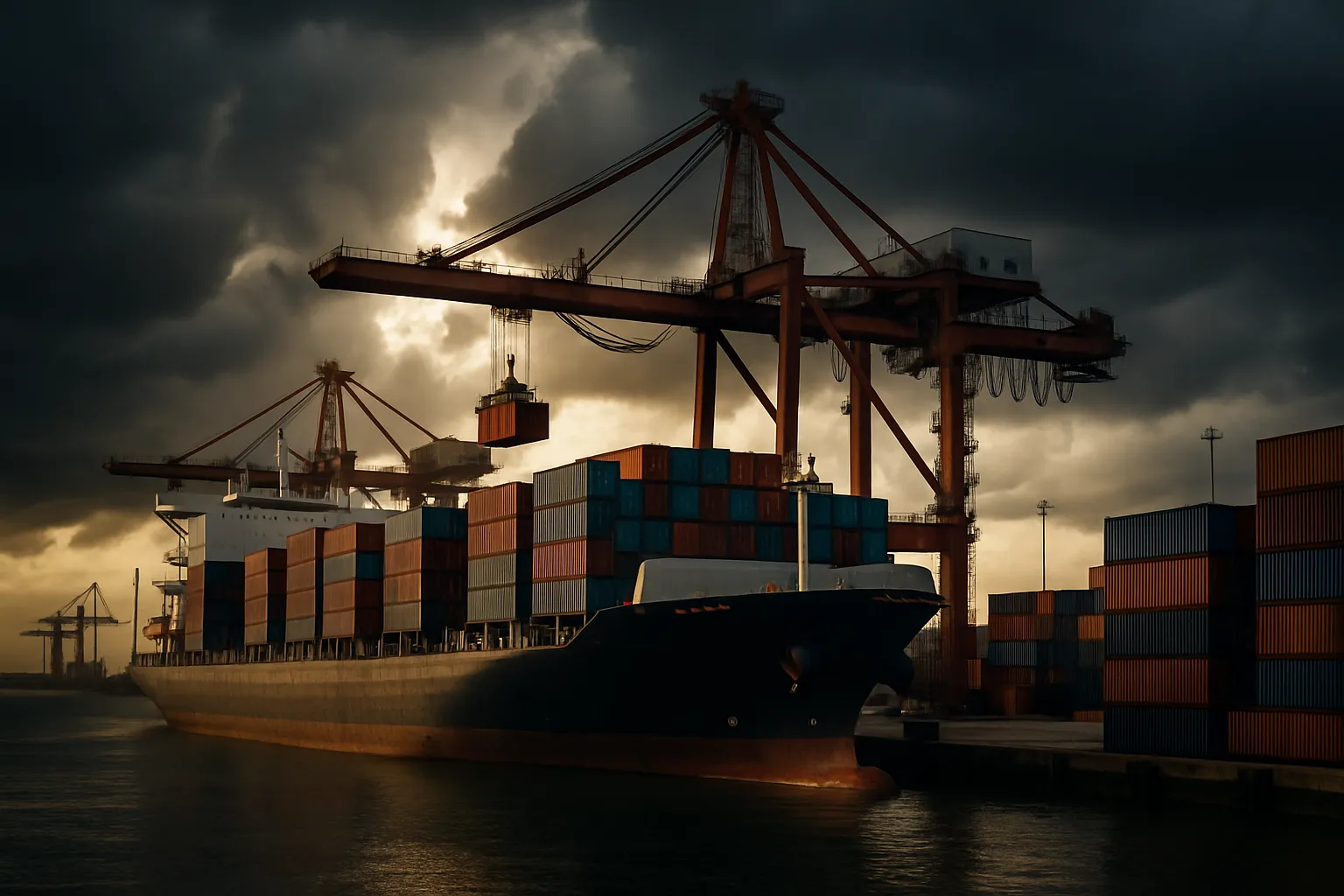
Incoterms Under Pressure: How Geopolitical Crises Are Forcing Exporters to Renegotiate FOB, CIF, and Risk Allocation in 2026
Indian rice exporters are abandoning CIF contracts and shifting to FOB terms as Middle East conflict doubles freight costs and halts Strait of Hormuz traffic. Learn how geopolitical crises are rewriting Incoterms strategy and what exporters need to know about risk reallocation in 2026.
CXTMS InsightsMarch 20, 2026 · 8 min read