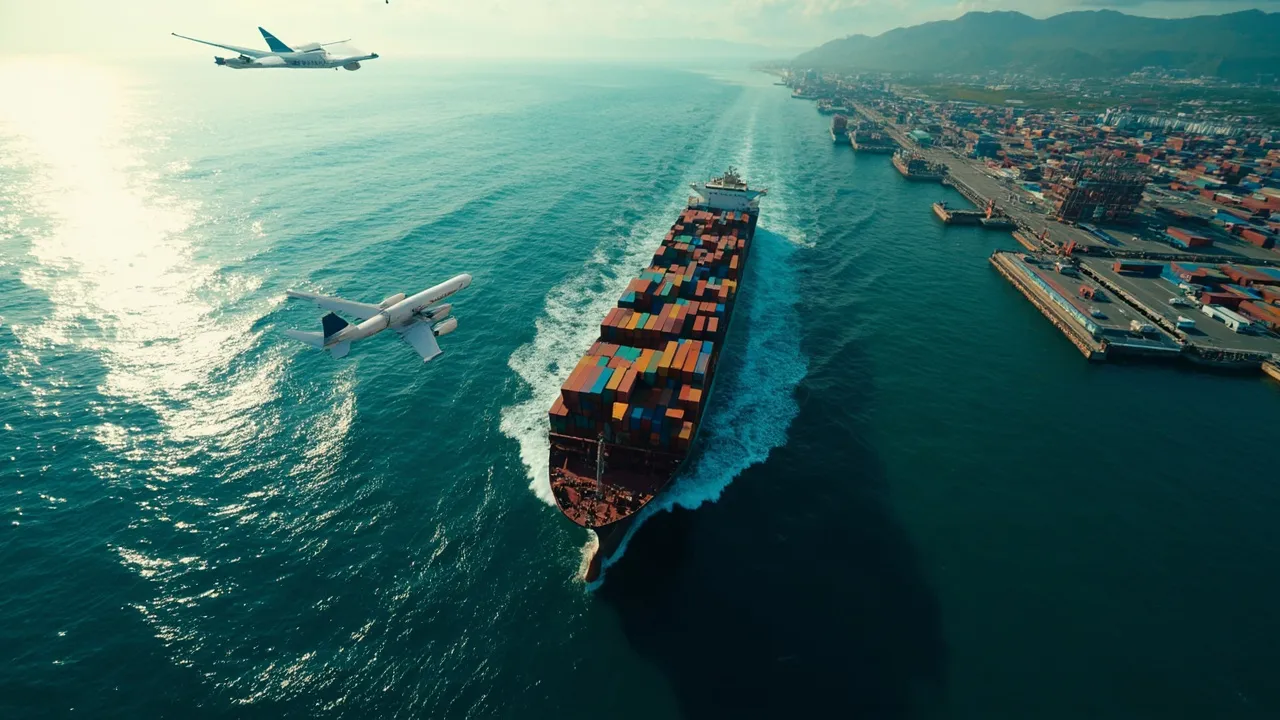
China and South Korea Just Built a Supply Chain Hotline for Rare Earths, Batteries, and Chips

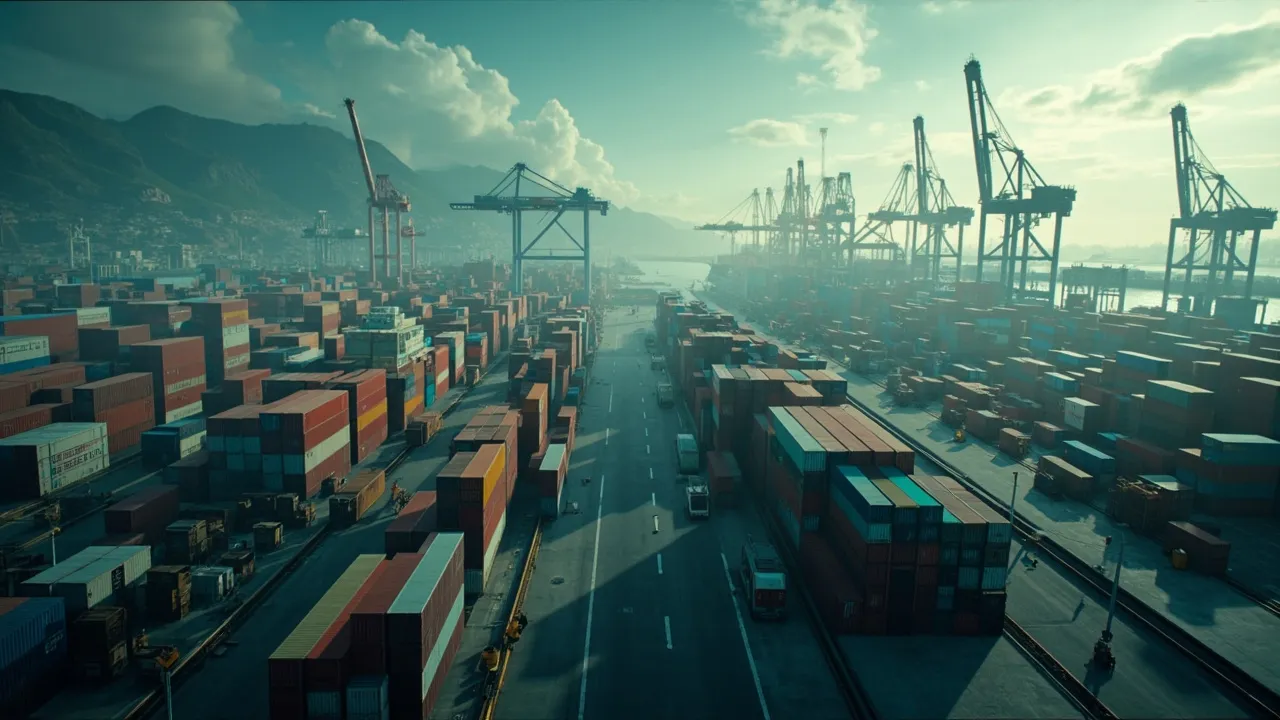
Supply chain diplomacy is getting operational.
China and South Korea have agreed to activate direct communication channels during logistics delays or raw material shortages, according to Reuters. On paper, that sounds like another bland bilateral talking point. In practice, it is a warning flare for importers that depend on East Asian flows of rare earths, permanent magnets, lithium battery inputs, and semiconductors.
The significance is not just that the two governments want nicer trade relations. It is that both sides are treating disruption response as something that needs a hotline, not a press conference. When delays hit critical materials, the difference between a fast government-to-government escalation path and a slow bureaucratic mess can mean the difference between a short delay and a production problem.
For CXTMS readers, this matters because critical-item risk is no longer confined to procurement strategy decks. It is now part of day-to-day freight planning, supplier mapping, and customer service protection.
Why This Hotline Matters More Than It Sounds
Reuters reported that the March 19 commitment specifically covers immediate activation of communication channels when logistics bottlenecks or raw material shortages emerge. The South Korean readout also said the two countries would improve predictability for supply chains involving rare earths and permanent magnets.
That is the kind of language operators should take seriously. Rare earths and magnet components sit upstream of a ridiculous amount of modern industrial output, from motors and EV systems to electronics and industrial equipment. Semiconductors and lithium batteries are just as central. Even if your company never buys raw materials directly, you are still exposed through suppliers, OEMs, and replacement-part lead times.
This is not China and South Korea trying to solve every geopolitical problem. It is something more practical. They are building a mechanism to prevent friction in a high-dependency corridor from turning into a full supply interruption.
South Korea Has Already Been Preparing for This
The March agreement did not come out of nowhere. In a separate February report, Reuters said South Korea planned to establish a hotline and joint committee with Chinese authorities to help companies import Chinese minerals more quickly and reliably. Seoul also said it would designate 17 critical minerals for tighter monitoring and analysis to prevent unexpected shortages.
That same Reuters report said the South Korean government planned to allocate 250 billion won, about $172 million, to support local companies developing overseas mines. That is a useful reality check. Governments do not create special committees, monitoring lists, and nine-figure funding plans unless they think the exposure is real.
South Korea has especially good reason to care. It is home to major semiconductor, electric-vehicle battery, and petrochemical players, but Reuters noted that the country still lacks a full domestic supply chain for rare earths. In other words, this is a manufacturing heavyweight with a dependency problem, and it knows it.
The Bigger Lesson: Supply Chain Diplomacy Is Becoming a Logistics Tool
A lot of executives still treat diplomatic headlines as background noise until tariffs spike or a factory shuts down. That is lazy thinking.
What is happening here is more operational than political. Governments are starting to build direct intervention channels around critical materials because supply chain concentration has become a national and commercial vulnerability at the same time.
McKinsey’s trade research has been pretty blunt about the underlying issue. In its work on shifting trade corridors and concentrated supply chains, the firm notes that rare earth extraction remains highly concentrated and that China accounts for more than 60% of extraction and about 90% of refining. That kind of concentration is not just a sourcing concern. It is a transport, customs, lead-time, and exception-management concern too.
Once that concentration exists, diplomacy stops being abstract. It becomes part of the operating model. A hotline is basically an escalation workflow at state level.
What Importers Should Do Before the Next Disruption Hits
If your network touches electronics, automotive, industrial components, energy systems, or advanced manufacturing inputs, this is the moment to stop pretending tier-one visibility is enough. Four actions matter right now.
1. Map exposure below the finished-goods level
Do not just ask whether a supplier is in China or South Korea. Ask which components depend on rare earths, permanent magnets, specialty battery materials, or chip packaging inputs. Hidden dependency is what burns operators first.
2. Separate source diversification from route diversification
A second supplier is helpful, but not if both suppliers rely on the same export controls, the same processing geography, or the same port complex. True resilience means understanding the corridor, not just the vendor name.
3. Create escalation triggers before service fails
If a government-level hotline is being built for critical materials, your company should at least have an internal version. Define when procurement, logistics, customer service, and leadership need to get pulled into the same conversation. Waiting until customers are already screaming is amateur hour.
4. Review inventory strategy for critical-item exposure
Not every product deserves extra stock. The smart move is to identify the materials and SKUs where a short disruption would have outsized commercial impact. Those are the items that warrant buffer inventory, alternate routings, or supplier pre-approvals.
What This Means for Freight and Operations Teams
The headline here is not that East Asia is unstable beyond repair. It is that critical supply chains are now so important that countries are building response infrastructure around them.
That should change how freight teams think about risk. For critical materials, disruption will not always show up first as a dramatic embargo or a front-page crisis. Sometimes it starts as longer approvals, slower border handling, missed sailings, inconsistent release timing, or vague supplier messages about “temporary constraints.” By the time the issue becomes obvious, the recoverable window may already be gone.
The China-South Korea hotline is really a sign of where global logistics is headed. The most important supply chains are no longer managed only by contracts and carriers. They are increasingly shaped by corridor strategy, industrial policy, and diplomatic fail-safes.
That is not comforting. It is just real.
The companies that handle this well will be the ones that treat geopolitical risk as an operating variable, not a quarterly presentation slide. They will know which materials matter, which lanes are fragile, and which suppliers need closer monitoring before the next shortage lands.
The CXTMS Take
This agreement is not a feel-good diplomacy story. It is evidence that critical-material logistics now require active intervention mechanisms.
If China and South Korea think rare earths, magnets, batteries, and chips deserve a dedicated disruption hotline, importers should probably stop managing those categories like ordinary replenishment flows. The exposed networks are too concentrated, the stakes are too high, and the warning signs are already sitting in plain view.
Want earlier visibility into lane disruptions, supplier-risk signals, and critical-shipment exceptions before they turn into service failures? Contact CXTMS and see how CXTMS helps logistics teams act faster.