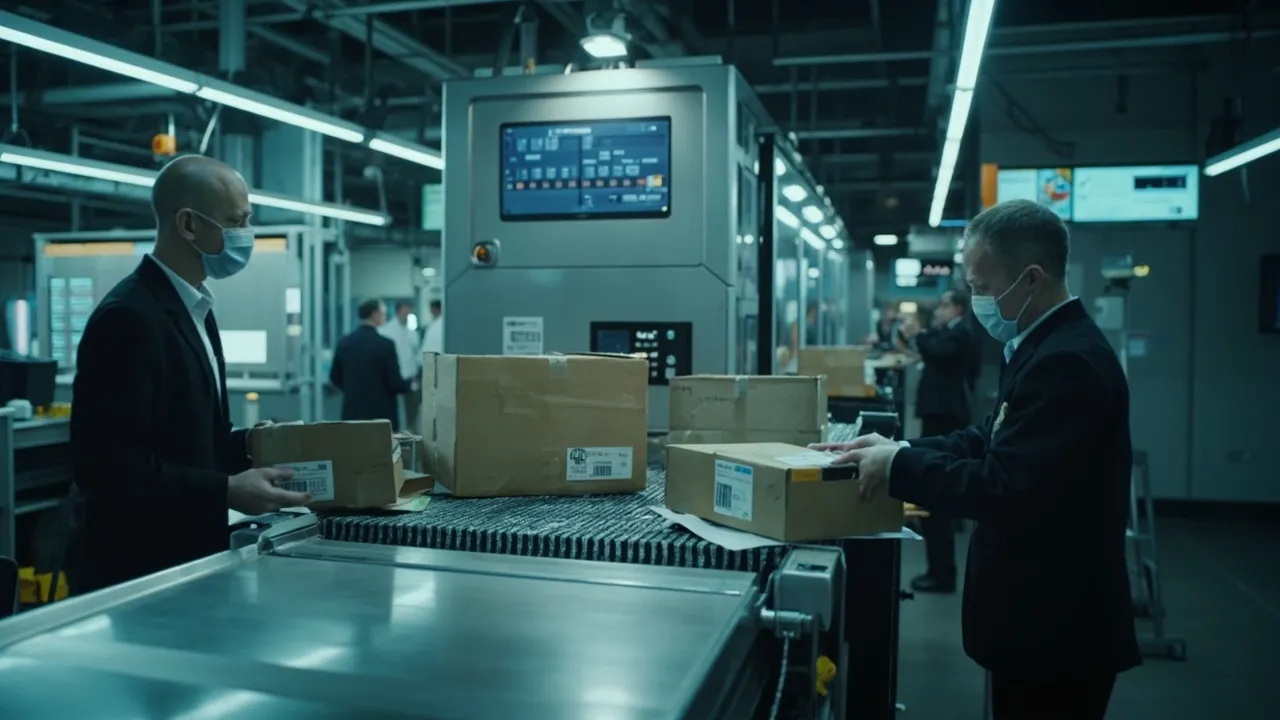
The EU's PFAS Packaging Ban Takes Effect August 12: What Shippers Need to Do Now

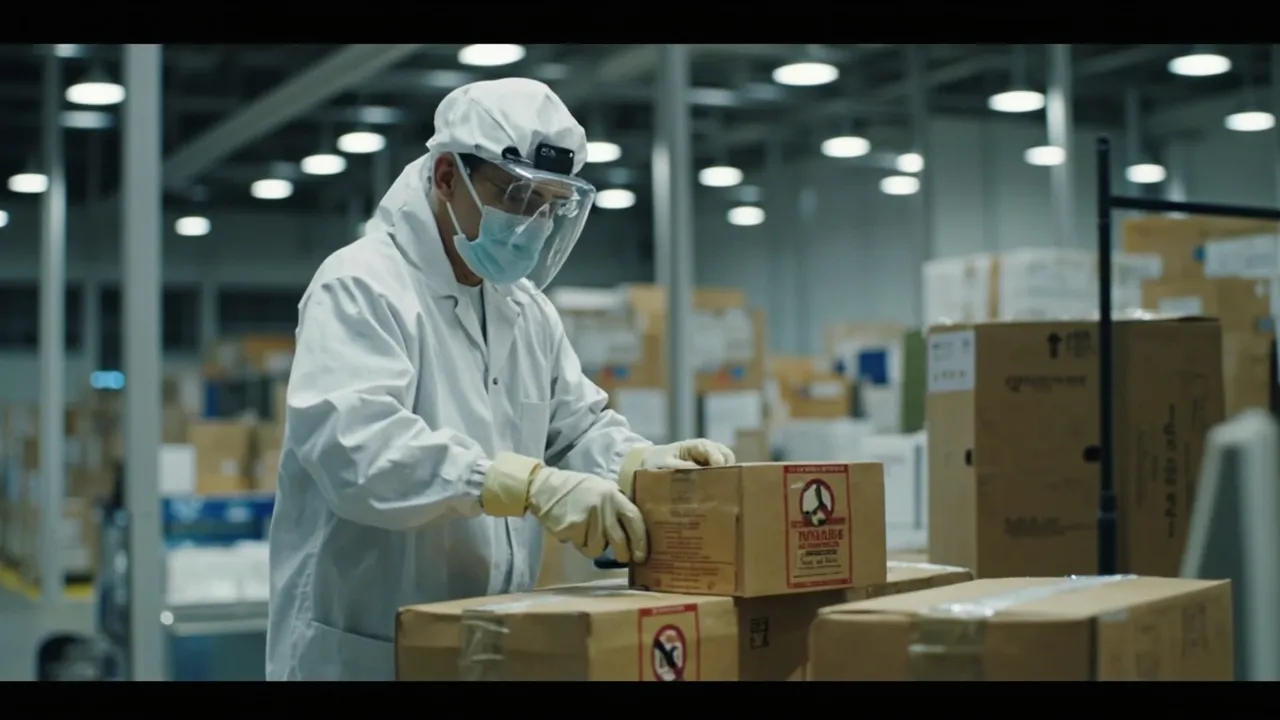
The European Union's Packaging and Packaging Waste Regulation reaches a critical application date on August 12, 2026. For logistics teams moving food, beverages, ingredients, or other packaged goods into the EU, the immediate concern is Article 5: food-contact packaging cannot be placed on the market when per- and polyfluoroalkyl substances, or PFAS, exceed specified limits.
This is not merely a future recycling target. It is a market-access requirement. Packaging that does not comply can disrupt the sale of the product it contains, even when the product itself is acceptable.
Deloitte's PPWR overview confirms that the regulation entered into force on February 11, 2025 and generally applies from August 12, 2026. It also emphasizes the rule's broad scope: the PPWR covers all packaging placed on the EU market, regardless of material, and affects the value chain from design and raw-material sourcing through manufacturing, labeling, and market placement.
The PFAS Thresholds Are Measurable, Not Aspirational
The PPWR sets three concentration limits for food-contact packaging:
- 25 parts per billion for any individual PFAS measured with targeted analysis, excluding polymeric PFAS
- 250 parts per billion for the sum of PFAS measured as the sum of targeted analysis, with degradation of precursors where applicable, excluding polymeric PFAS
- 50 parts per million for PFAS measured as total fluorine; when total fluorine exceeds that level, the manufacturer, importer, or downstream user must provide proof of the fluorine content attributable to PFAS or non-PFAS sources
These thresholds make a vague supplier statement such as “no intentionally added PFAS” insufficient as the only evidence. Intent matters, but a shipper also needs a defensible connection between the packaging specification, the supplier's declaration, and analytical results appropriate to the material.
PFAS have been used for grease, oil, moisture, and heat resistance. That means the exposure is not limited to an obvious plastic container. Paper wraps, molded-fiber trays, bakery bags, microwave packaging, liners, coatings, adhesives, inks, and composite formats all deserve review when they contact food.
Non-EU Exporters Are Inside the Compliance Chain
A U.S. or Asian manufacturer may never physically place a package on a European retail shelf, but its EU importer does. That importer will need evidence covering the package it introduces to the market. If the documentation trail ends at an overseas converter, the importer and its customs or regulatory partners inherit a preventable risk.
The regulation's reach is therefore operational, not geographic. Exporters should expect EU customers and importers to request material compositions, supplier declarations, test reports, and precise identification of packaging variants.
The identification point matters. A laboratory report for a plain paper carton does not automatically cover the same carton with a grease-resistant coating. Nor does a declaration for one supplier's film cover an emergency substitute purchased under the same internal SKU.
Deloitte notes that packaging compliance must be demonstrated through an EU Declaration of Conformity, supported by verifiable product- and packaging-level data. Another Deloitte analysis of the regulation highlights that packaging may be marketed from August 2026 only when substances of concern are minimized and applicable limits are met.
Three Moves Shippers Should Make Before August 12
1. Inventory Every Packaging SKU That Touches the EU
Build a register covering primary, secondary, and transport packaging for EU-bound goods. Record the packaging SKU, material, coating, adhesive, ink, supplier, manufacturing location, food-contact status, product association, and EU destination.
Prioritize food-contact formats with grease-, water-, or stain-resistant performance. Also flag every packaging SKU with multiple approved suppliers. The goal is to expose substitutions that procurement systems may treat as equivalent even though their chemical composition differs.
2. Request Evidence at the Component Level
Ask suppliers for a signed PFAS declaration tied to a specific material or part number, plus the relevant laboratory report and test method. Confirm the tested sample represents current production rather than a discontinued formulation.
The request should distinguish “PFAS-free” marketing language from compliance with the PPWR's three thresholds. It should also identify coatings, barriers, adhesives, and inks instead of covering only the base substrate.
When a supplier cannot provide adequate evidence, logistics and procurement teams need an exception workflow: assign an owner, establish a replacement deadline, identify affected orders, and prevent the unsupported packaging from being substituted into EU-bound production.
3. Create a Shipment-Ready Conformity Archive
Store the EU Declaration of Conformity with its supporting technical documentation, including bills of materials, supplier declarations, test certificates, specifications, and change records. Index the documents by packaging SKU and revision, then connect them to the products and shipments that use that packaging.
Do not rely on email threads or a shared folder organized only by supplier name. A customs broker, importer, or market-surveillance authority may need to trace a shipment to the exact packaging version quickly. Retrieval speed becomes part of compliance performance when cargo or inventory is waiting.
Turn Packaging Compliance Into a Shipment Control
The strongest operating model brings packaging status into the order and freight-planning workflow. Before an EU-bound load is tendered, the team should be able to verify that every relevant packaging SKU has a current compliance status and supporting record.
CXTMS can help centralize those shipment-linked documents across origins, suppliers, lanes, and customs partners. Teams can use exception rules to identify an order associated with missing or expired evidence before freight reaches the border, then give brokers and forwarders access to the correct documentation without rebuilding the file for every shipment.
The August 12 date should not trigger a one-time document collection exercise. Packaging formulations and suppliers change. A durable process links change control to compliance review, blocks unsupported substitutions, and keeps evidence aligned with the goods actually moving.
PFAS compliance is ultimately a market-access problem expressed through packaging data. Shippers that can connect that data to individual orders will be better positioned to protect EU deliveries from holds, rework, and rejected inventory.
Request a CXTMS demo to see how shipment-level document control and compliance exceptions can support your EU freight operations.