Smart Container Tracking Is Becoming a Pre-Clearance Tool, Not Just a Visibility Feature

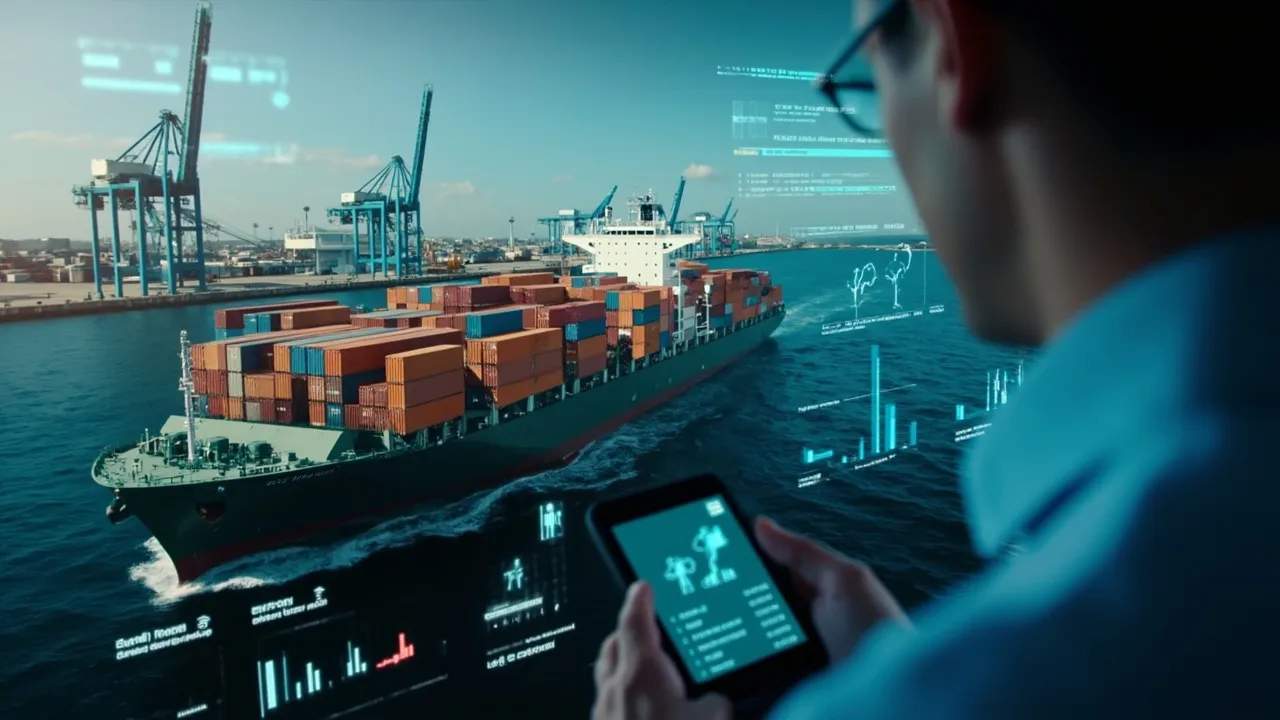
For years, container visibility was sold as a simple question: where is my box? That question still matters, but it is no longer enough. The more useful question is what the organization can do before the container arrives.
Smart container tracking is becoming a pre-clearance tool. When container milestones, vessel ETAs, temperature data, door events, and terminal status are available early enough, logistics teams can prepare customs entries, reserve rail capacity, schedule drayage, alert warehouses, and escalate exceptions before cargo hits the port. Visibility stops being a dashboard and starts becoming an operating trigger.
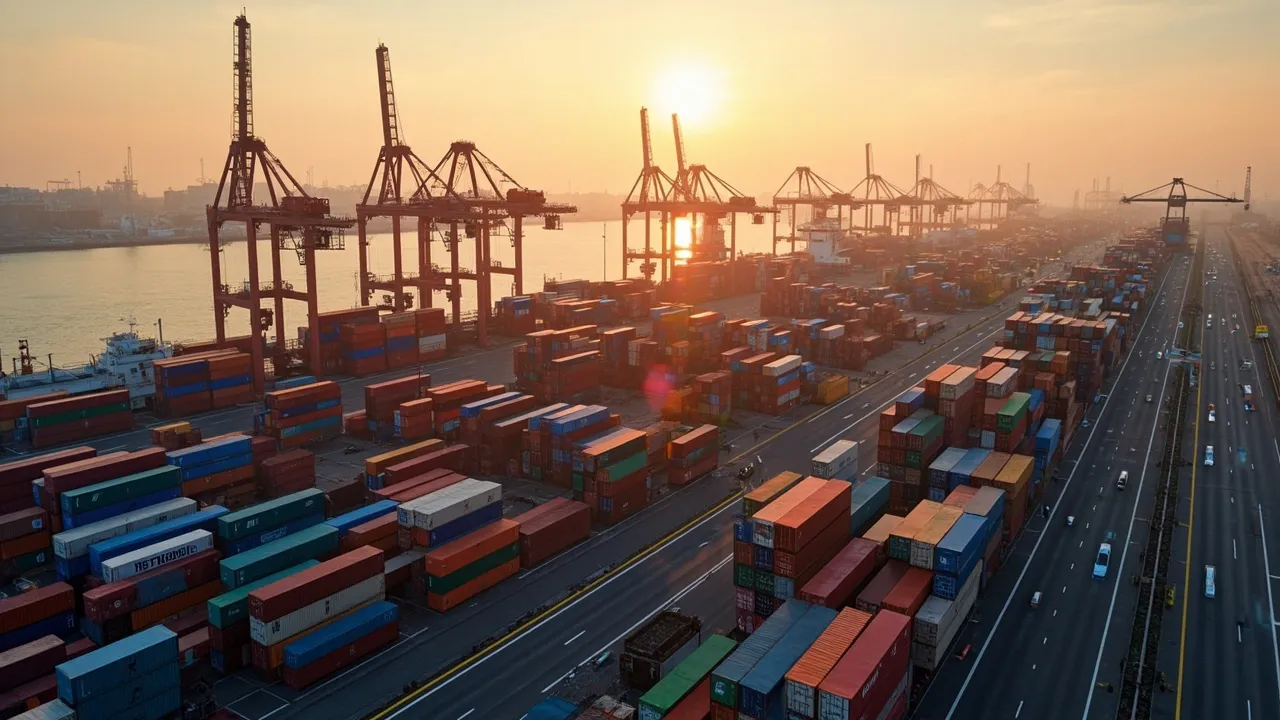
That shift matters because containerized freight is still the backbone of global trade. Mordor Intelligence estimates the shipping containers market at USD 10.7 billion in 2026, with growth to USD 13.14 billion by 2031 at a 4.19% CAGR. The same report notes that containerization handles roughly 90% of global trade, while digital tracking tools and smarter designs help operators shorten port stays and improve asset turnover.
The implication is blunt: if most global goods still move in boxes, then the quality of container data now determines how much of the downstream freight plan can happen before the vessel berth is assigned.
Tracking Is Becoming Planning Infrastructure
Traditional milestone visibility is retrospective. A container departs, transships, discharges, gates out, and the system records each event. Useful, yes. Transformational, no.
Smart tracking changes the timing. Mordor’s shipping container analysis points to ports investing in automated cranes that can clear vessels inside one shift, while carriers commit equipment to high-frequency loops. In that operating model, the report says smart tracking allows shippers to pre-clear customs and book rail slots before docking.
That sentence is the whole game. Pre-clearance and rail booking are not visibility use cases; they are execution use cases. They require data that is trusted enough to move work forward while the container is still offshore.
A practical smart-container workflow might look like this:
- Vessel ETA changes trigger broker review of commercial documents and HS codes.
- Container temperature or shock alerts determine whether quality inspection should be scheduled at discharge.
- Door-open or route-deviation events flag cargo for security review before the terminal appointment.
- Discharge estimates trigger rail reservation or drayage capacity tendering.
- Terminal availability triggers warehouse appointment confirmation and labor planning.
None of those actions should wait for someone to manually refresh a carrier portal. By then, the best appointment windows may already be gone.
The Smart Container Market Is Scaling Fast
The adoption curve supports the operational shift. Mordor Intelligence estimates the smart container market at USD 6.13 billion in 2026, rising to USD 14.08 billion by 2031 at an 18.13% CAGR. That is not a niche telemetry upgrade. It is a fast-growing layer of freight infrastructure.
The report also shows why the technology is broadening. GPS held 35.80% of smart-container connectivity share in 2025, hardware accounted for 58.60% of market size, and software is projected to grow at a 19.6% CAGR through 2031. Refrigerated units still lead adoption with 54.70% share because temperature-sensitive freight has the clearest compliance need, but dry containers are forecast to grow at 19.05% CAGR.
That dry-box growth is important. Smart containers are no longer only about biologics, seafood, and pharmaceuticals. As sensor costs fall and satellite coverage improves, the business case expands to ordinary consumer goods, industrial components, and retail replenishment freight where the real value is earlier coordination.
The same report says real-time telemetry supports predictive maintenance, route-deviation alerts, proof-of-delivery workflows, and faster cargo-insurance adjudication. Those benefits are useful individually, but they become more powerful when tied to a transportation management workflow that can assign responsibility and trigger the next action.
Customs Teams Need Events, Not Just ETAs
Customs pre-clearance depends on confidence. Brokers need complete documents, clean product classifications, import security filings, arrival timing, and exception visibility. A better ETA alone does not solve the problem if the supporting shipment data is scattered across email threads, spreadsheets, carrier portals, and broker systems.
Smart container tracking becomes valuable when it is connected to the customs file. If a container is delayed at transshipment, the broker can reprioritize other entries. If the box is advancing ahead of schedule, the importer can confirm bond coverage, duties, inspections, and delivery requirements earlier. If telemetry suggests tampering or temperature abuse, the compliance team can decide whether to hold the container before it enters the inland network.
This is especially relevant as traceability rules tighten. Mordor’s smart container report highlights regulatory mandates for cargo traceability and food safety, including the U.S. FDA FSMA 204 rule requiring high-risk food shippers to provide end-to-end traceability data within 24 hours starting January 2026. Smart containers are not the only way to comply, but they make the evidence trail far more automated and auditable.
Inland Capacity Is Where Visibility Proves Itself
Ocean visibility fails if inland execution stays reactive. The container may arrive on time, but that does not guarantee a rail slot, chassis, driver, warehouse dock, or consignee labor will be available.
That is why smart container tracking should feed inland appointment planning. When milestone changes arrive, the TMS should compare the new arrival window against drayage capacity, free-time limits, rail cutoffs, demurrage risk, and receiving constraints. If the plan breaks, the system should show who owns the exception and what options are available.
The U.S. freight network context reinforces the stakes. Logistics Management reported that the 2026 National Freight Strategic Plan covers freight moving more than 54 million tons of goods worth more than USD 68 billion each day across a nearly 7-million-mile freight network. At that scale, small timing improvements across port, rail, and drayage handoffs create meaningful capacity gains.
What Shippers Should Build Now
Smart container tracking is only as valuable as the workflows attached to it. Freight teams should focus on five capabilities:
- Milestone normalization. Container events from carriers, terminals, forwarders, and sensors must map to one operating timeline.
- Broker task automation. Arrival changes should trigger customs-document review, missing-data alerts, and clearance readiness checks.
- Inland appointment logic. Rail, drayage, and warehouse planning should update from container milestones automatically.
- Exception ownership. Every deviation needs an owner, timestamp, escalation path, and commercial impact.
- Audit-ready history. Compliance, claims, and customer-service teams need the same source of truth after delivery.
The winning freight teams will not be the ones with the prettiest visibility map. They will be the ones that turn container signals into earlier decisions.
CXTMS helps logistics teams connect ocean milestones, customs workflows, carrier coordination, and inland execution in one operating layer. If your container visibility still ends at “track and trace,” schedule a CXTMS demo and see how pre-arrival planning can become a repeatable process instead of a scramble.