AI
121 posts tagged with “AI”

AI May Commoditize Logistics Software Interfaces Faster Than Shippers Expect
As AI makes logistics software screens easier to copy, the durable advantage shifts to data quality, workflow execution, integrations, and exception control.
 CXTMS InsightsJune 5, 2026 · 6 min read
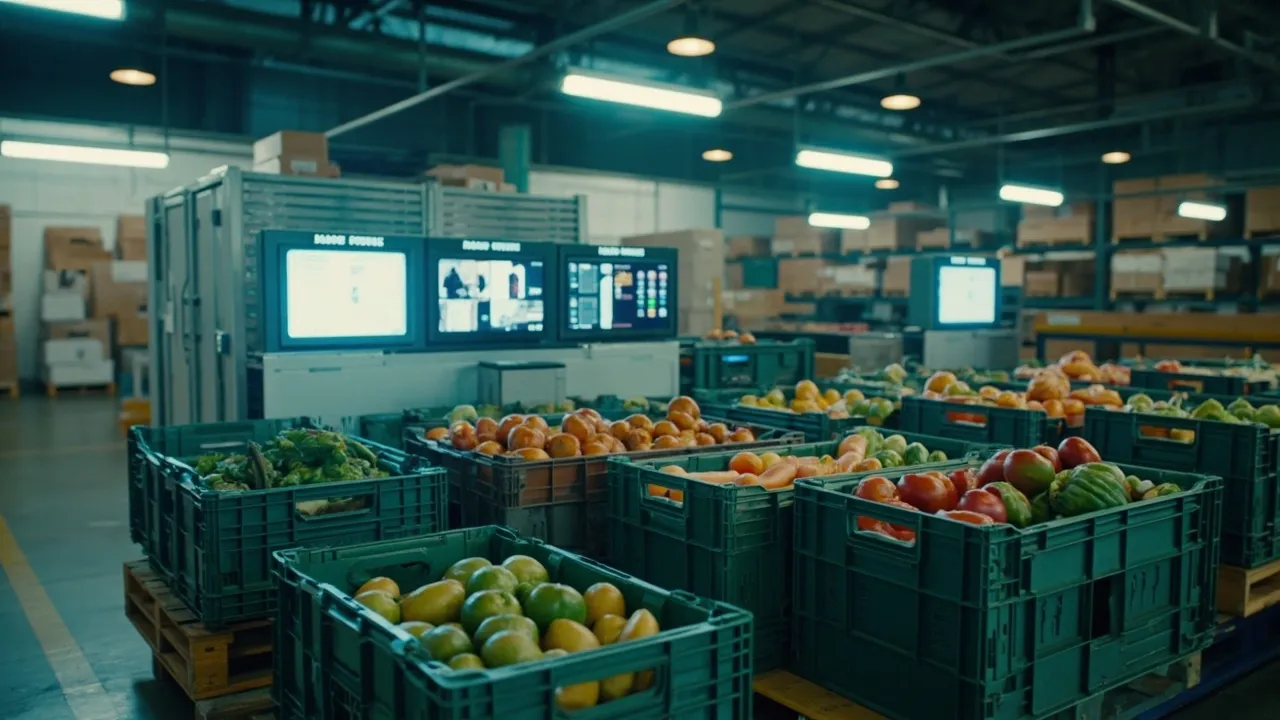
Adaptive Machine Learning Could Make Grocery Recalls Smaller, Faster, and Cheaper
Adaptive machine learning is turning grocery traceability into an execution discipline that can narrow recall scope, reduce waste, and control reverse logistics cost.
CXTMS InsightsJune 5, 2026 · 6 min read
Procurement AI Agents Need Small Pilots First: The Practical Business Case for Sourcing Automation
Procurement AI agents can remove sourcing grunt work, but only when teams start with narrow pilots, clean supplier data, and measurable expansion criteria.
CXTMS InsightsMay 30, 2026 · 7 min read
Supply Chain AI Is Stuck in Pilot Purgatory Because the Operating Model Is Missing
Supply chain AI pilots are failing to scale because companies are treating operational transformation like a software install.
CXTMS InsightsMay 26, 2026 · 6 min read
AI Network Optimization Needs Better Modelers, Not Just Better Prompts
AI can accelerate supply chain network optimization, but only when teams pair automation with clean data, modeling discipline, and scenario-planning skills.
CXTMS InsightsMay 25, 2026 · 7 min read
Warehouse Labor AI Should Reduce Firefighting, Not Just Count Productivity
Warehouse labor AI should help supervisors prevent overload, reassign work earlier, and protect pickup windows instead of only reporting productivity after the shift.
CXTMS InsightsMay 24, 2026 · 7 min read
Albertsons’ AI Produce Inspection Tool Turns Fresh Quality Into Warehouse Data
Albertsons' AI produce inspection tool shows how grocers can turn subjective fresh-quality checks into structured warehouse data for better receiving, claims, and replenishment.
CXTMS InsightsMay 23, 2026 · 6 min read
Gartner’s Logistics AI Warning: Use Cases Are Real, but Timelines Still Matter
Gartner’s latest supply chain AI research shows real logistics use cases, but also a warning: clean data, workflows, and operating-model maturity still set the pace.
CXTMS InsightsMay 15, 2026 · 6 min read
Penske’s Supply Chain Insight Shows Visibility Is Turning Into an AI Execution Layer
Penske Logistics' Supply Chain Insight platform shows why supply chain visibility is shifting from dashboards toward AI-assisted execution across freight, warehousing, inventory, and partner networks.
CXTMS InsightsMay 15, 2026 · 6 min read
Self-Funding Supply Chains: How AI Savings Are Becoming the Transformation Budget
AI supply chain projects cannot live on pilot budgets forever. The practical play is to turn early freight, planning, procurement, and fulfillment savings into the next wave of transformation funding.
CXTMS InsightsMay 15, 2026 · 7 min read