Insights
Industry insights, integration guides, and product updates from the CXTMS team.

Pakistan Seizes Containers for Roadblocks: Protect Cargo When Governments Requisition Equipment
Pakistan's container seizures show why shippers need milestone visibility, escalation rules, and a recovery queue when governments requisition freight equipment.
 CXTMS InsightsOctober 3, 20265 min read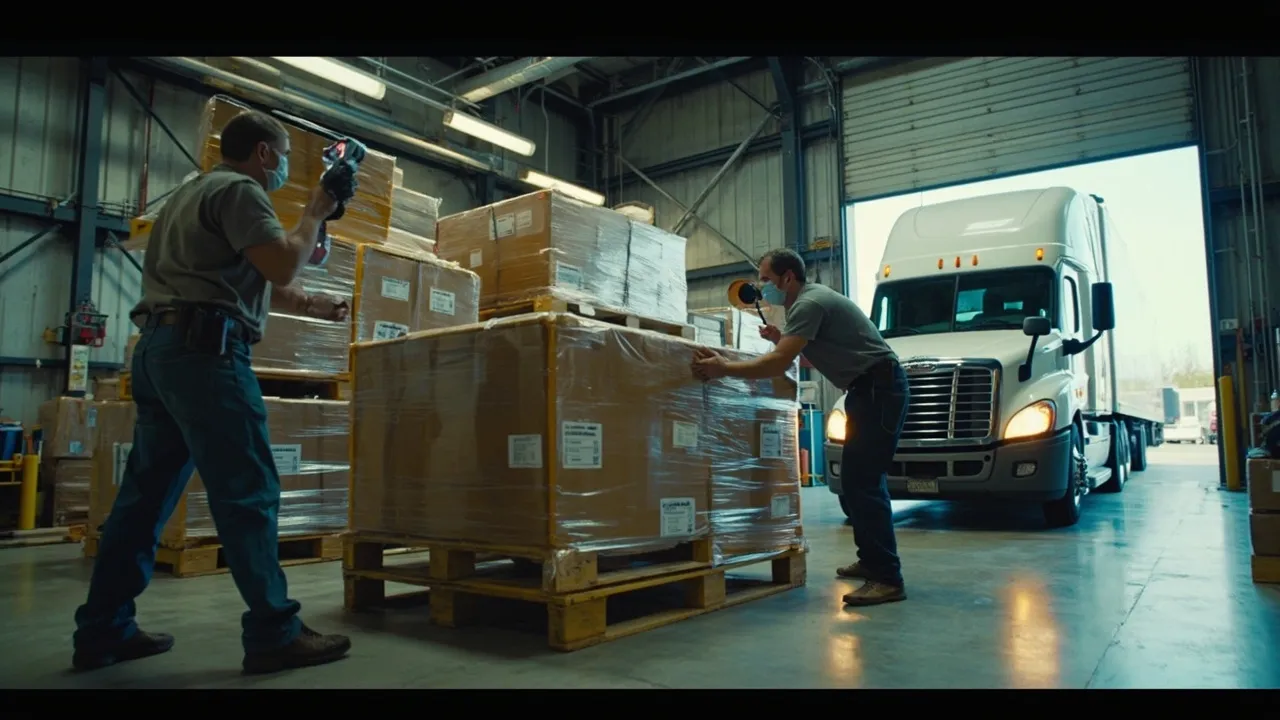
Amazon Adds LTL Labels for Bulky Sellers: Govern the Parcel-to-Freight Handoff
Amazon is bringing LTL label purchasing to Buy Shipping. Learn how sellers can control shipment data, costs, appointments, and exceptions when bulky orders cross from parcel to freight.
CXTMS InsightsOctober 2, 2026 · 6 min read
CAFE Standards Reset Won't Automatically Lift Auto Freight: Build a Production-to-Load Trigger
Looser CAFE standards may support vehicle production, but logistics teams should wait for assembly, supplier, inventory, and shipment signals before adding freight capacity.
CXTMS InsightsOctober 2, 2026 · 6 min read
CPG Automation Projects Need a Sourcing-to-Logistics Risk Register
CPG automation succeeds only when packaging, suppliers, labor, compliance, and transportation are managed as one flow. A shared risk register exposes dependencies before they become costly exceptions.
CXTMS InsightsOctober 2, 2026 · 6 min read
Maersk's U.S. Logistics Expansion: Test Whether One Provider Really Creates One Operating Record
Maersk has assembled ocean, ground, fulfillment, air, and last-mile capabilities. Shippers should test whether that commercial bundle produces one usable operating record.
CXTMS InsightsOctober 2, 2026 · 6 min read
Alleged Freight Revenue Hiding Exposes the Owner-Operator Settlement Data Gap
A freight revenue lawsuit highlights why percentage-based owner-operator settlements need shipment-linked rates, version histories, documents, and exception audits.
CXTMS InsightsOctober 2, 2026 · 6 min read
Pack Expo 2026: Treat Packaging and Pallets as Warehouse Flow Infrastructure
A practical test plan for evaluating packaging and pallet changes across receiving, storage, automation, freight cube, damage, and total landed cost.
CXTMS InsightsOctober 2, 2026 · 6 min read
Peak Season Has Six Fewer Buffer Days: Put Weather Into Order-Promise Governance
Peak-season inventory buffers are shrinking while volume and surcharges rise. Learn how to turn weather risk into governed order-promise decisions by lane, node, and customer date.
CXTMS InsightsOctober 2, 2026 · 6 min read
September Manufacturing PMI Holds at 54.5: Convert Expansion Into Freight Release Rules
September manufacturing PMI reached 54.5, but national expansion does not justify blanket freight commitments. Build lane-level release rules from orders, production, inventory, and supplier signals.
CXTMS InsightsOctober 2, 2026 · 6 min read
SMB Supply Chains Face Compound Volatility: Build a Constraint Triage Board
Small and midsize businesses face overlapping lead-time, freight, input-cost, and demand pressure. A constraint triage board turns that volatility into ranked, accountable actions.
CXTMS InsightsOctober 2, 2026 · 6 min read