Risk Management
107 posts tagged with “Risk Management”

Federal Transportation Funding Gaps Need a Project-Level Freight Dependency Register
Learn how freight operators can map infrastructure funding delays to lanes, terminals, customers, capacity promises, and practical contingency decisions.
 CXTMS InsightsAugust 20, 2026 · 6 min read
The First Regular Arctic Cargo Service Needs a Polar Route Risk Register
Sea Legend's planned regular Arctic service promises faster China-Europe transit, but shippers need a route-specific risk register before booking cargo.
CXTMS InsightsAugust 19, 2026 · 6 min read
A 1.8 Million-Barrel Daily Oil Deficit Calls for a Fuel-Exposure Calendar
Turn oil-market volatility into a mode-by-mode calendar of surcharge resets, hedge dates, bid events, pass-through windows, and variance alerts.
CXTMS InsightsAugust 18, 2026 · 6 min read
When Automated Frozen Warehouses Get Canceled: A Cold-Chain Automation Exit Plan
A practical exit plan for automated frozen warehouses covering inventory transfer, customer service, labor, equipment, and temperature-controlled transport.
CXTMS InsightsAugust 12, 2026 · 6 min read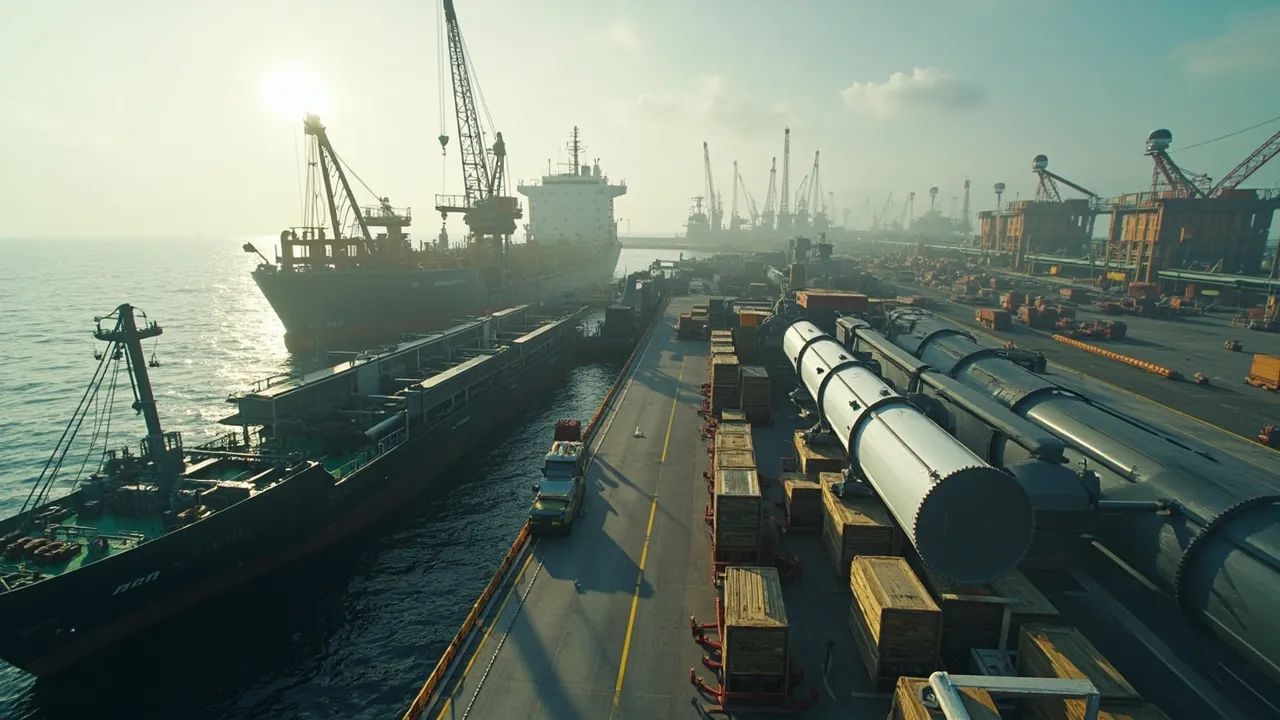
RWE’s $1.22 Billion Offshore Wind Exit Creates a Project-Cargo Demobilization Test
RWE’s U.S. offshore wind lease exit shows why canceled energy projects need a controlled demobilization ledger for vessels, ports, components, deposits, and custody.
CXTMS InsightsAugust 11, 2026 · 6 min read
Warehouse Consolidation Needs a Service-Risk Map Before the Real Estate Model
Warehouse consolidation can reduce fixed costs while quietly adding miles, cutoff risk, capacity pressure, and slower recovery. Map service risk before signing a lease.
CXTMS InsightsAugust 2, 2026 · 6 min read
CXMT's DRAM Rise Makes Memory Chips a Multi-Tier Logistics Constraint
CXMT's growing DRAM share changes semiconductor sourcing risk. Learn how logistics teams can map memory-chip exposure and prioritize constrained shipments.
CXTMS InsightsJuly 29, 2026 · 6 min read
2026’s Supply Chain Squeeze Needs a Procurement-to-Freight Escalation Ladder
A four-level escalation ladder helps procurement and logistics teams convert material shortages, supplier delays, and freight volatility into timely, accountable decisions.
CXTMS InsightsJuly 28, 2026 · 6 min read
1,222 Freight Layoffs in Two Weeks: How Shippers Can Detect Provider Distress Before Service Breaks
Freight layoffs and bankruptcies can precede service failures. Learn how shippers can score provider distress and stage backup capacity before disruption.
CXTMS InsightsJuly 27, 2026 · 6 min read
Black Sea Vessel Attacks Need Voyage-Level Exposure, Not a Country Risk Label
Black Sea maritime risk now changes by vessel, port, cargo, and sailing window. Learn how forwarders can build voyage-level approval and escalation controls.
CXTMS InsightsJuly 24, 2026 · 5 min read