Risk Management
93 posts tagged with “Risk Management”
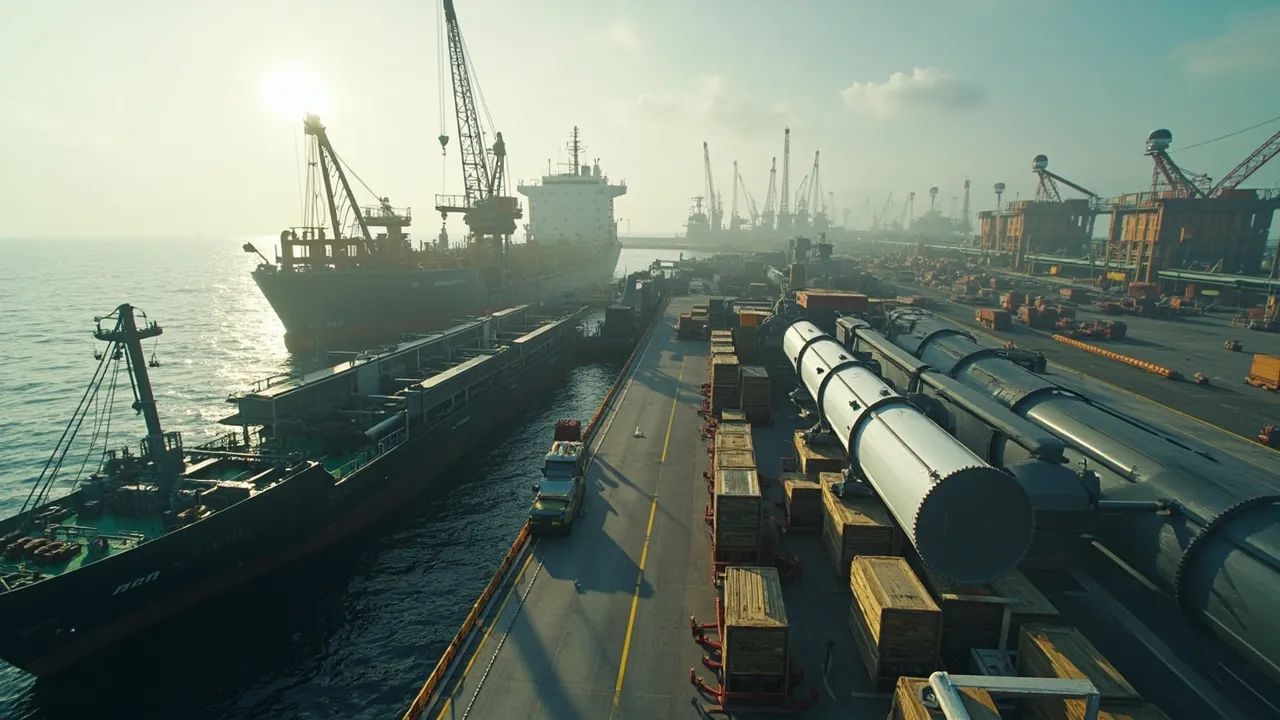
RWE’s $1.22 Billion Offshore Wind Exit Creates a Project-Cargo Demobilization Test
RWE’s U.S. offshore wind lease exit shows why canceled energy projects need a controlled demobilization ledger for vessels, ports, components, deposits, and custody.
 CXTMS InsightsAugust 11, 2026 · 6 min read
Warehouse Consolidation Needs a Service-Risk Map Before the Real Estate Model
Warehouse consolidation can reduce fixed costs while quietly adding miles, cutoff risk, capacity pressure, and slower recovery. Map service risk before signing a lease.
CXTMS InsightsAugust 2, 2026 · 6 min read
CXMT's DRAM Rise Makes Memory Chips a Multi-Tier Logistics Constraint
CXMT's growing DRAM share changes semiconductor sourcing risk. Learn how logistics teams can map memory-chip exposure and prioritize constrained shipments.
CXTMS InsightsJuly 29, 2026 · 6 min read
2026’s Supply Chain Squeeze Needs a Procurement-to-Freight Escalation Ladder
A four-level escalation ladder helps procurement and logistics teams convert material shortages, supplier delays, and freight volatility into timely, accountable decisions.
CXTMS InsightsJuly 28, 2026 · 6 min read
1,222 Freight Layoffs in Two Weeks: How Shippers Can Detect Provider Distress Before Service Breaks
Freight layoffs and bankruptcies can precede service failures. Learn how shippers can score provider distress and stage backup capacity before disruption.
CXTMS InsightsJuly 27, 2026 · 6 min read
Black Sea Vessel Attacks Need Voyage-Level Exposure, Not a Country Risk Label
Black Sea maritime risk now changes by vessel, port, cargo, and sailing window. Learn how forwarders can build voyage-level approval and escalation controls.
CXTMS InsightsJuly 24, 2026 · 5 min read
New Air Cargo Contract Terms Put Liability Rules Back Into Shipment Planning
New air cargo airway bill terms show why freight forwarders need liability and claims rules visible before premium lift is booked.
CXTMS InsightsJuly 21, 2026 · 6 min read
Diesel Shortage Tail Risk Needs Lane-Level Fuel Allocation Rules
Diesel shortage risk is no longer just a surcharge problem. Logistics teams need lane-level fuel allocation rules for carrier acceptance, reefers, inventory, and service promises.
CXTMS InsightsJuly 20, 2026 · 6 min read
Rhine Low Water Is a Reminder That Inland Shipping Needs Depth Triggers
Low water on the Rhine shows why inland waterway logistics needs gauge-based triggers for load factors, surcharges, modal shifts, and customer ETAs.
CXTMS InsightsJuly 14, 2026 · 6 min read
Driver Biometric Lawsuits Make Fleet Data Consent a Logistics Governance Issue
Driver biometric lawsuits show why fleets need consent, retention, vendor access, and audit controls for operational data.
CXTMS InsightsJune 28, 2026 · 6 min read