Operations
16 posts tagged with “Operations”
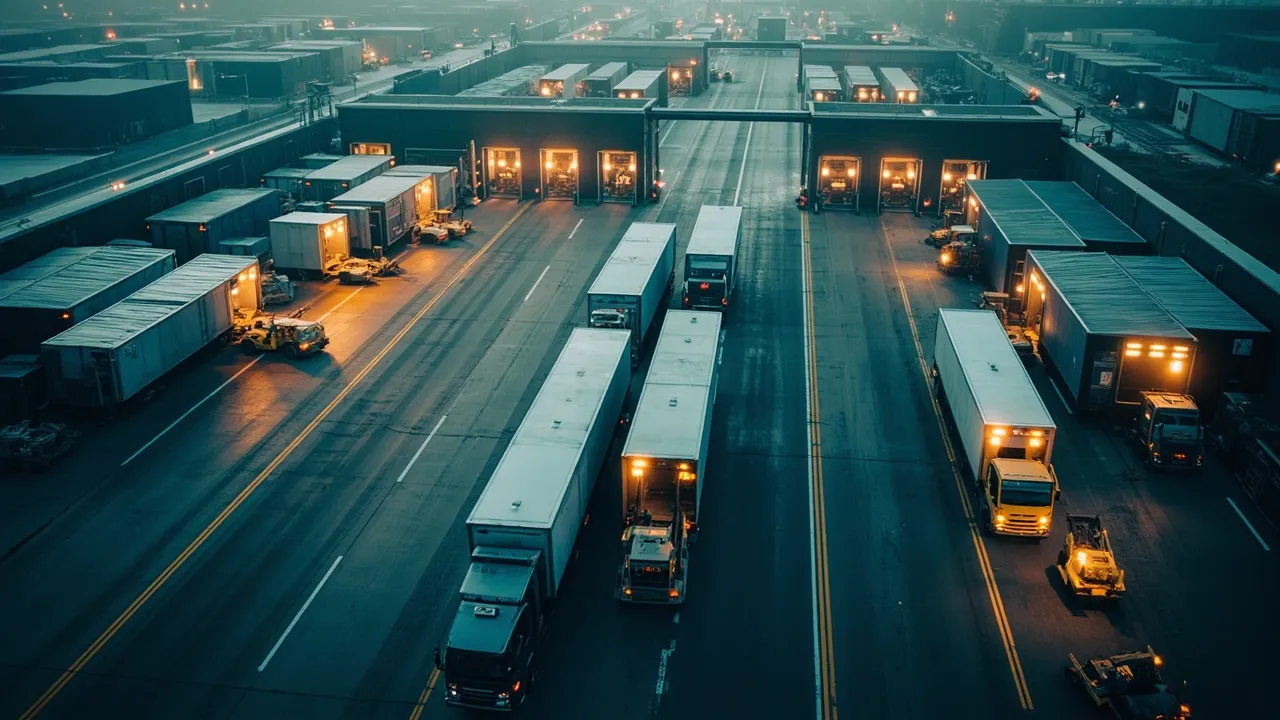
Enterprise Yard Operations Are Becoming a Managed Control Layer
Learn how enterprise yard operations can connect appointments, gates, trailers, jockey moves, detention, and dock readiness in one managed control layer.
 CXTMS InsightsAugust 31, 2026 · 5 min read
Supply Chain Transformation Is Moving to the Physical Edge—So Decision Latency Becomes the KPI
Learn how logistics teams can measure and reduce decision latency where warehouse, yard, dock, labor, and transportation constraints collide.
CXTMS InsightsJuly 27, 2026 · 6 min read
The Best Logistics Tech Teams Are Defined by Handoff Discipline
Logistics technology teams win when they govern handoffs across operations, IT, customers, vendors, and transportation execution, not when they simply add more tools.
CXTMS InsightsJuly 19, 2026 · 6 min read
Supply Chain Data Silos Are Becoming the Bottleneck Behind Every Visibility Project
Supply chain data silos are blocking visibility projects by separating transportation, warehouse, supplier, and finance data from the decisions teams need to make.
CXTMS InsightsJune 22, 2026 · 7 min read
Kimberly-Clark's Productivity Gains Show Why Supply Chain Simplification Beats Tool Sprawl
Kimberly-Clark's five-year, $3 billion productivity plan is delivering results through value-stream simplification, network optimization, and scaled automation — not new software licenses.
CXTMS InsightsJune 17, 2026 · 5 min read
Supply Chain AI Is Stuck in Pilot Purgatory Because the Operating Model Is Missing
Supply chain AI pilots are failing to scale because companies are treating operational transformation like a software install.
CXTMS InsightsMay 26, 2026 · 6 min read
Warehouse Labor AI Should Reduce Firefighting, Not Just Count Productivity
Warehouse labor AI should help supervisors prevent overload, reassign work earlier, and protect pickup windows instead of only reporting productivity after the shift.
CXTMS InsightsMay 24, 2026 · 7 min read
Under Armour’s 25% SKU Cut Is a Supply Chain Simplification Play, Not Just Merchandising
Under Armour's 25% SKU reduction shows why assortment simplification is becoming a supply chain strategy for inventory quality, warehouse flow, and transportation control.
CXTMS InsightsMay 23, 2026 · 7 min read
Broken Customer Portals Are Becoming a Hidden Supply Chain Reliability Problem
Supplier and carrier portals now sit in the critical path of booking, tracking, and billing. When those portals break, logistics teams lose visibility, create manual workarounds, and absorb avoidable operating cost.
CXTMS InsightsApril 24, 2026 · 6 min read
Late Payments Are a Supply Chain Signal. Smart Operators Treat AR Data Like an Operational Sensor.
Late payments are not just a collections headache. They are often the downstream signal of upstream breakdowns in contracts, pricing, service execution, billing, and data flow. Logistics operators that treat AR metrics like operational telemetry can improve cash conversion and working capital faster.
CXTMS InsightsApril 23, 2026 · 6 min read