Insights
Industry insights, integration guides, and product updates from the CXTMS team.
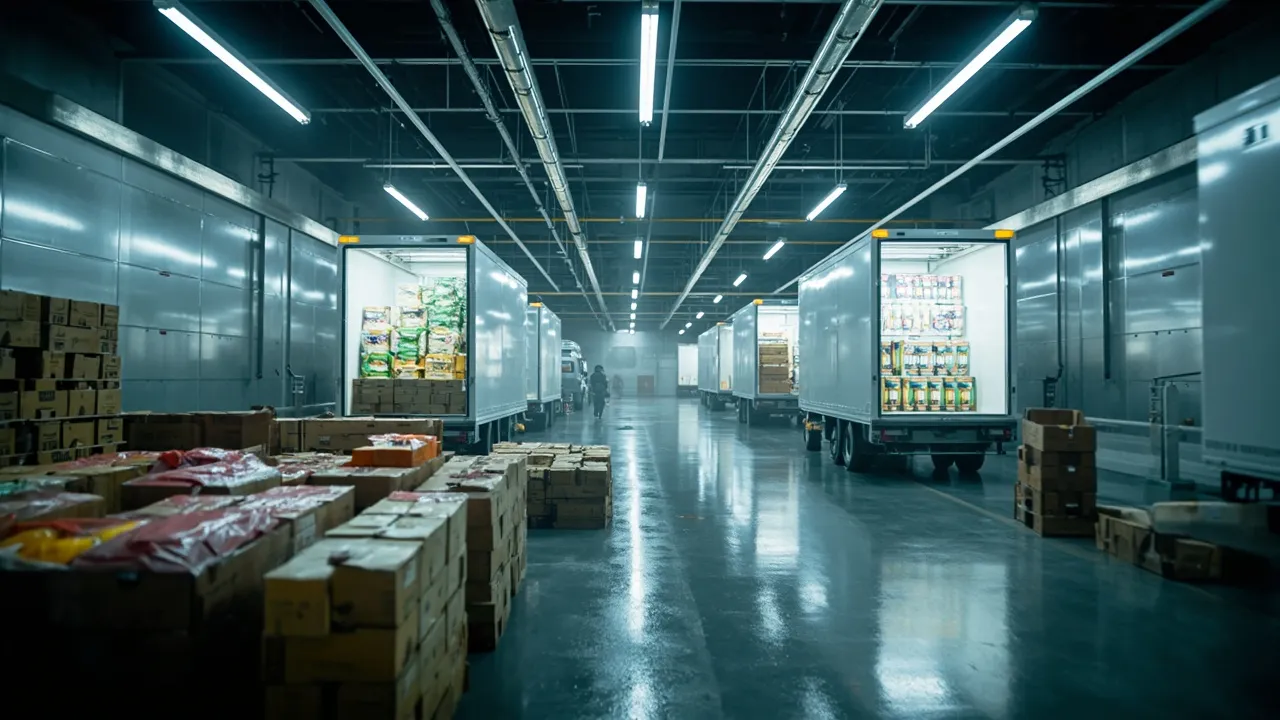
USDA's $7.5 Million Cold Chain Grant Calls for Equipment-to-Shipment Traceability
USDA's $7.5 million cold chain grant can add food distribution capacity, but equipment-to-shipment traceability is what proves utilization and impact.
 CXTMS InsightsAugust 23, 20265 min read
The Aircraft Supply Crunch Through 2030: What It Means for Air Cargo Capacity
Aircraft delivery delays could constrain air cargo capacity through 2030. Learn what forwarders should monitor across belly space, freighters, leases, and lanes.
CXTMS InsightsAugust 22, 2026 · 5 min read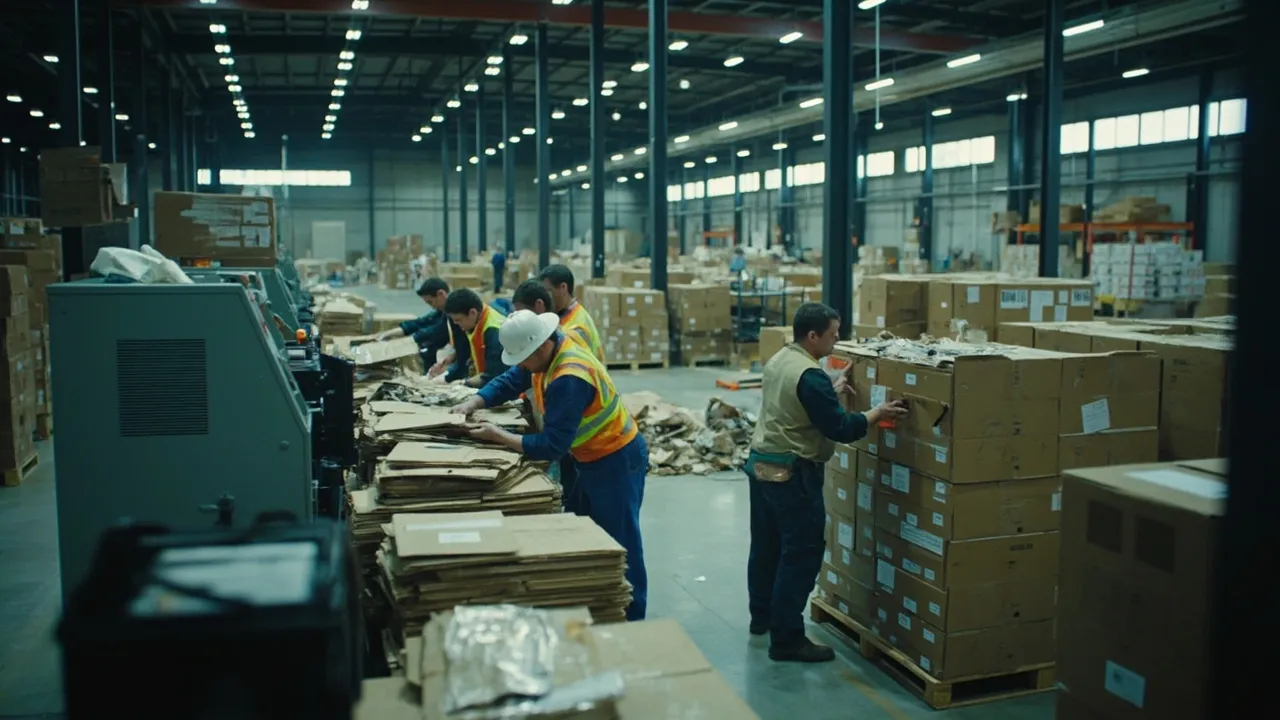
Best Buy’s Zero-Waste Logistics Playbook: What 29 Certified Facilities Prove
See how Best Buy certified 29 supply chain facilities as zero waste—and turn its diversion, audit, packaging, and reverse-logistics practices into an operating scorecard.
CXTMS InsightsAugust 22, 2026 · 6 min read
Birkenstock's 10% Growth Capacity Plan: Turning Factory Expansion Into Reliable Fulfillment
Birkenstock's production expansion shows why factory capacity, inventory, transportation, and fulfillment must scale as one connected operating system.
CXTMS InsightsAugust 22, 2026 · 6 min read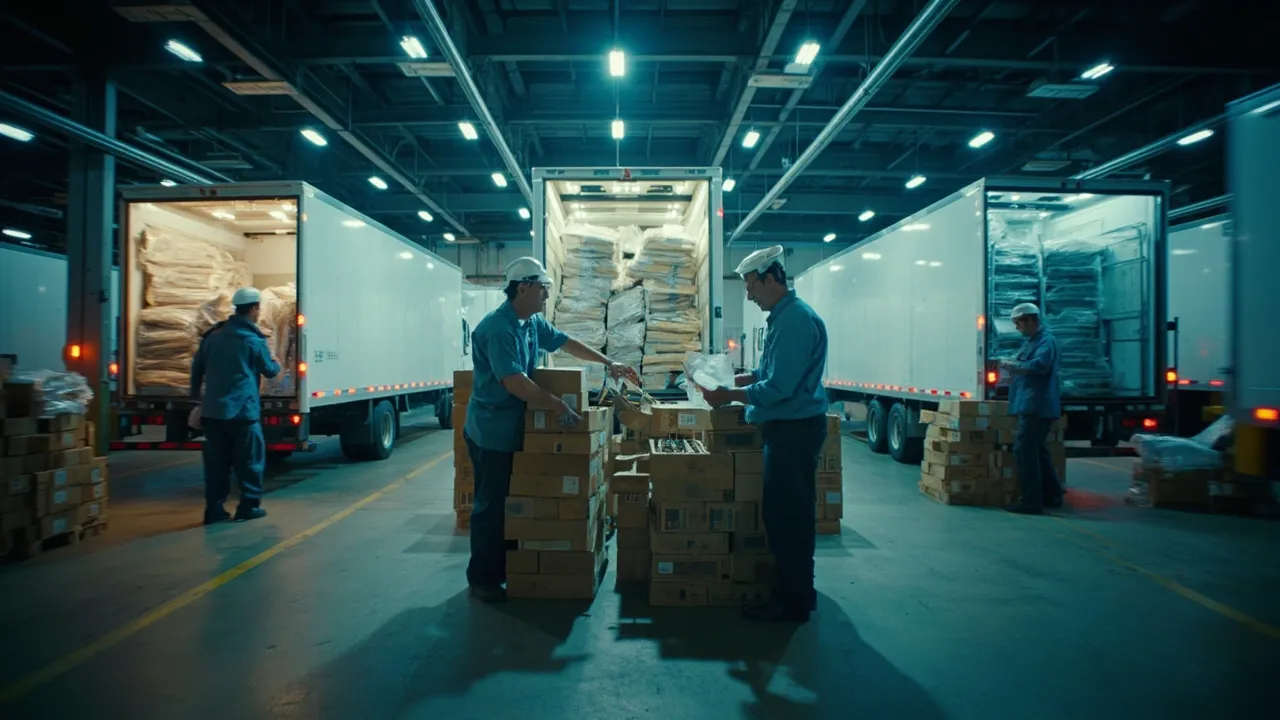
Culver’s Inventory Pooling Strategy: Scaling Restaurant Logistics by 55 Locations a Year
See how inventory pooling, velocity-based replenishment, and expansion-readiness metrics can support Culver’s plan to add up to 55 restaurants annually.
CXTMS InsightsAugust 22, 2026 · 6 min read
Extreme Heat in Garment Factories: The Missing Supply Chain Continuity Metric
Extreme heat is becoming a measurable apparel supply chain risk. Learn how sourcing and logistics teams can track factory heat exposure, capacity loss, and shipment exceptions.
CXTMS InsightsAugust 22, 2026 · 6 min read
Freight Broker Insurance Premiums Are Surging: Build Liability Into Every Tender
Freight broker insurance costs are climbing sharply. Learn how automated tender controls can verify coverage, expose exclusions, and price liability risk.
CXTMS InsightsAugust 22, 2026 · 6 min read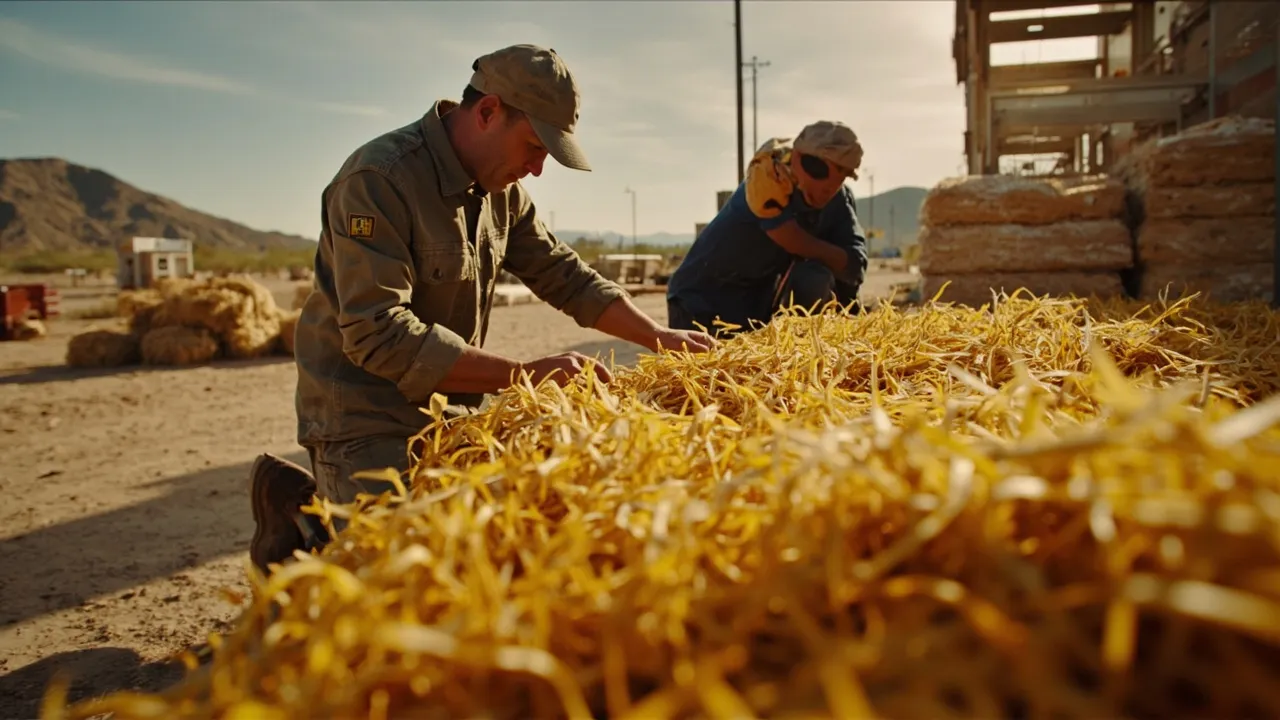
Kimberly-Clark’s Alternative Fiber Pilot: A New Model for Raw-Material Resilience
Kimberly-Clark’s Yuma hesperaloe pilot shows how manufacturers can qualify alternative raw materials while controlling cost, quality, logistics, and chain-of-custody risk.
CXTMS InsightsAugust 22, 2026 · 6 min read
The LPG Shuttle Trade: How Ship-to-Ship Transfers Are Rewriting US–Asia Routing
Rising Panama Canal costs are pushing LPG exporters toward ship-to-ship transfers. Learn how to control custody, safety, schedules, and documentation.
CXTMS InsightsAugust 22, 2026 · 6 min read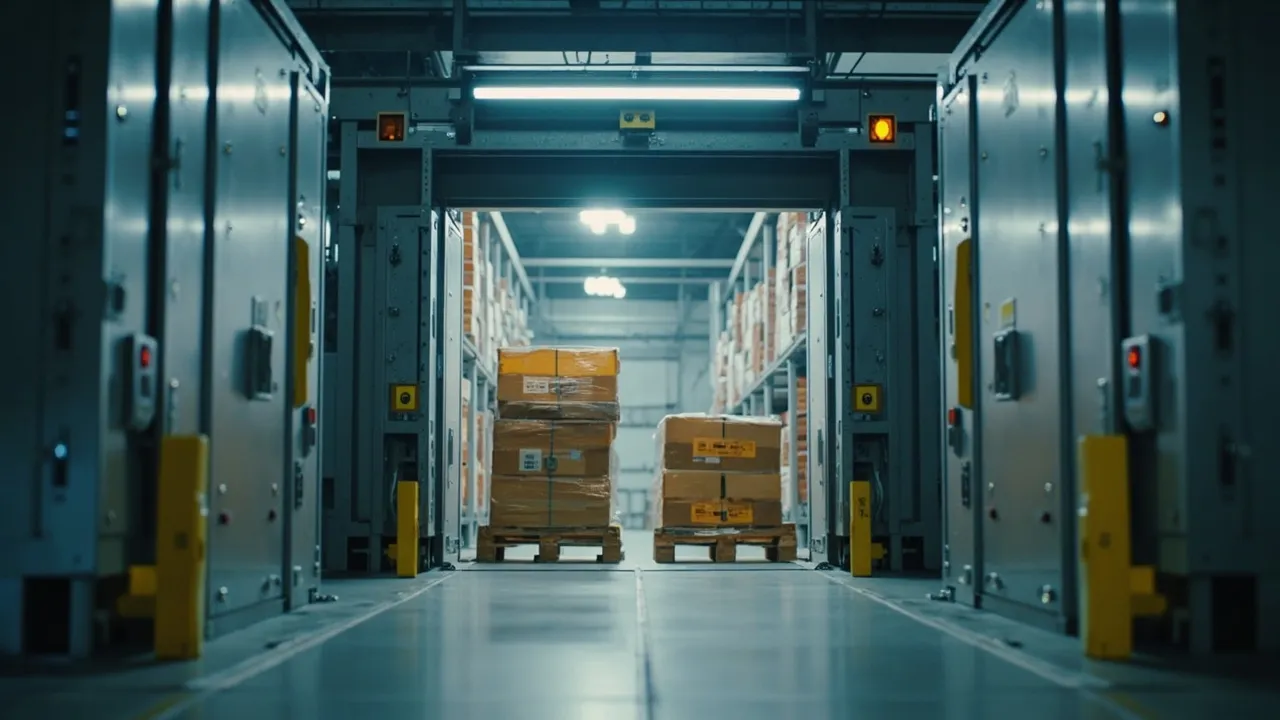
RFID Meets Machine Vision: The Warehouse Accuracy Stack That Finally Closes Blind Spots
RFID identifies inventory at speed while machine vision validates count, condition, and location. Here is how warehouses can combine both into a measurable accuracy stack.
CXTMS InsightsAugust 22, 2026 · 6 min read