AI Data Center Power Deals Are Creating a New Heavy-Equipment Logistics Queue

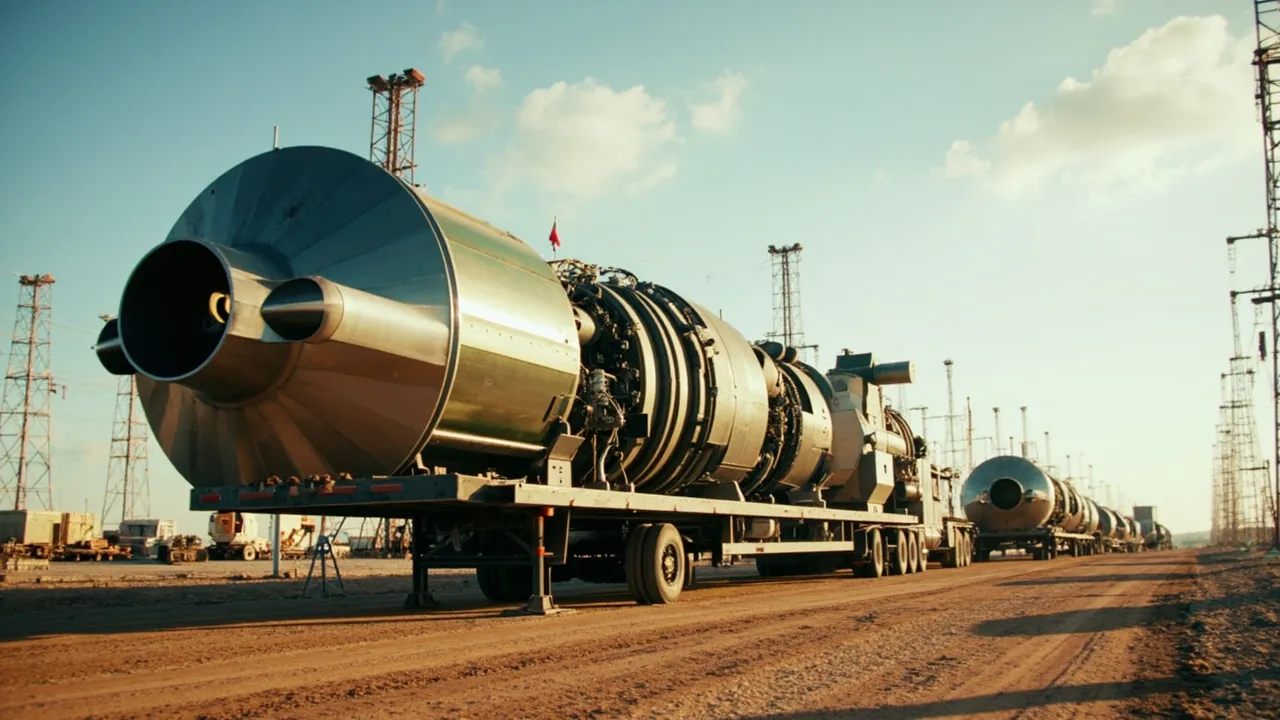
AI data center growth is no longer only a server, chip, or real-estate story. It is becoming a power logistics story.
The newest signal is Chevron's plan to supply dedicated power for Microsoft's planned West Texas data center. Supply Chain Brain reported that Chevron signed a 20-year agreement with Microsoft to develop a power facility capable of delivering 2.67 gigawatts of capacity, enough electricity for roughly 2 million American homes. The project, located in the Reeves County area, is designed to sit on the same site as the data center and supply electricity directly rather than adding load to the broader grid.
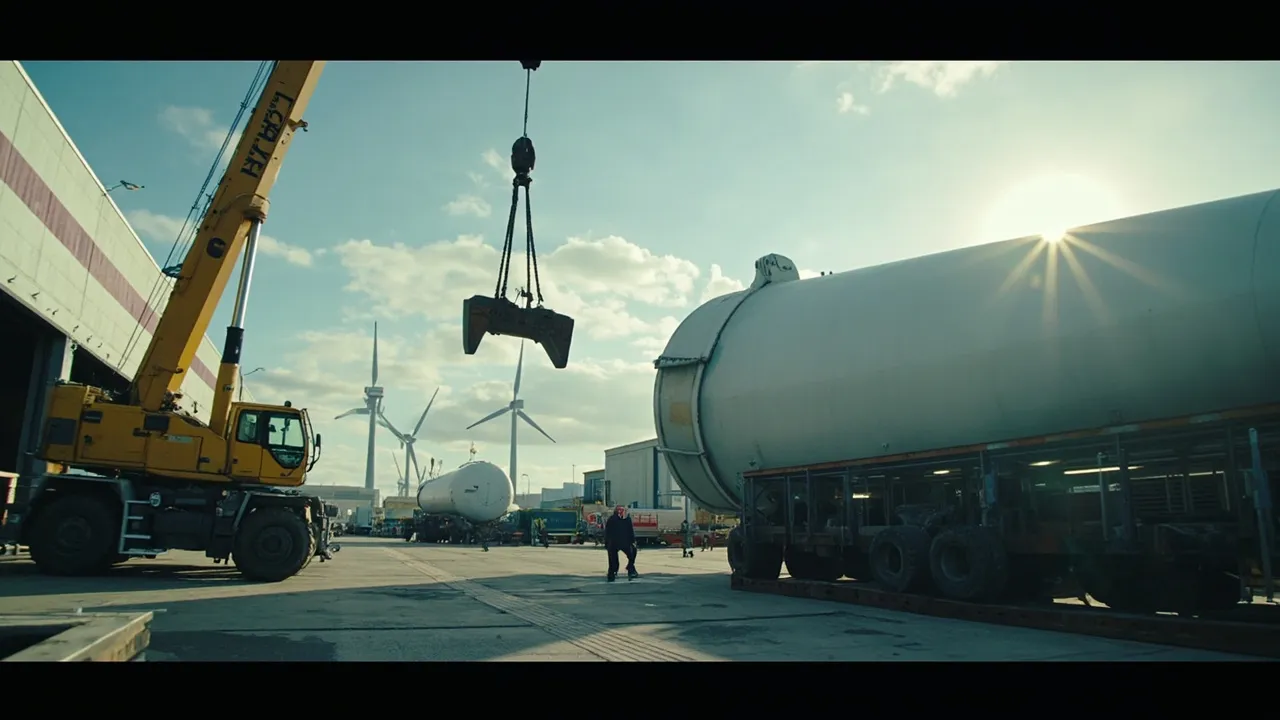
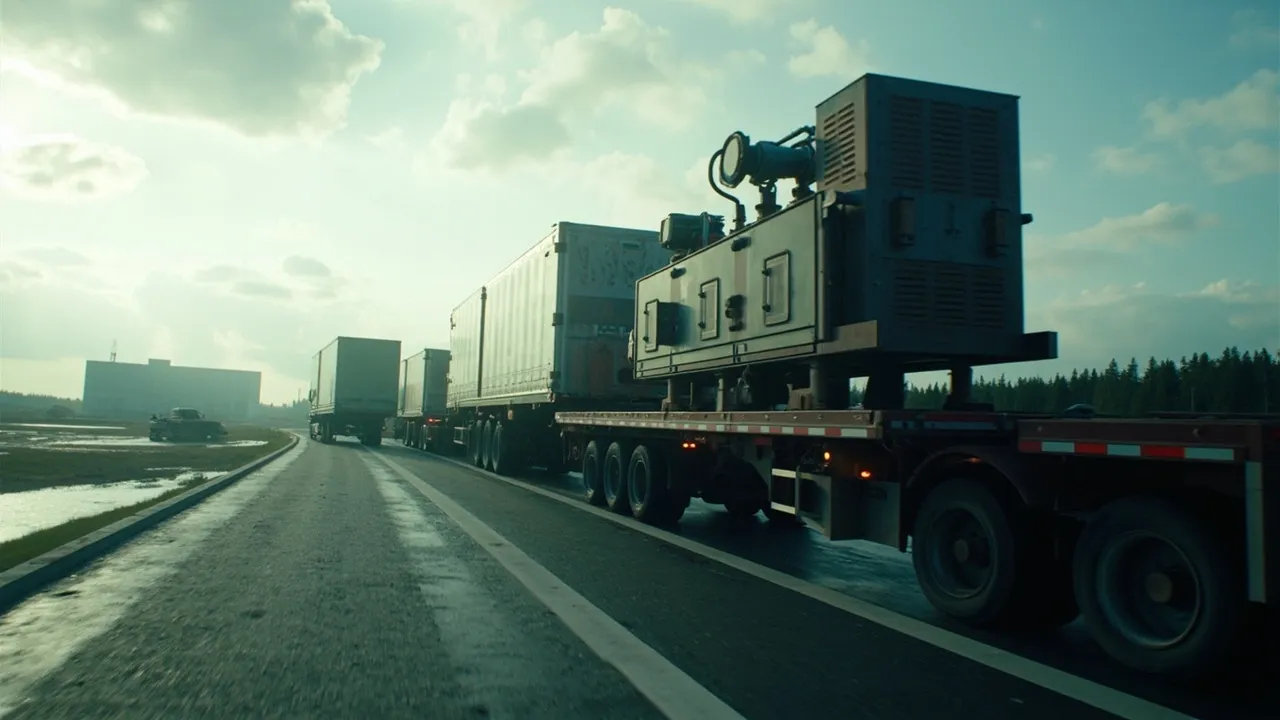
That structure matters for logistics. A dedicated power plant beside an AI facility is not a normal utility connection. It creates a project cargo queue: turbines, transformers, switchgear, generators, cooling equipment, cranes, permits, escorts, staging yards, specialized carriers, and tightly sequenced site access.
Chevron said the project, called Project Kilby, will use a phased approach so more generating capacity can be added as Microsoft's power needs grow. Pending a final investment decision later this year, the first phase is scheduled to begin supplying power in 2028.
Power Deals Change the Critical Path
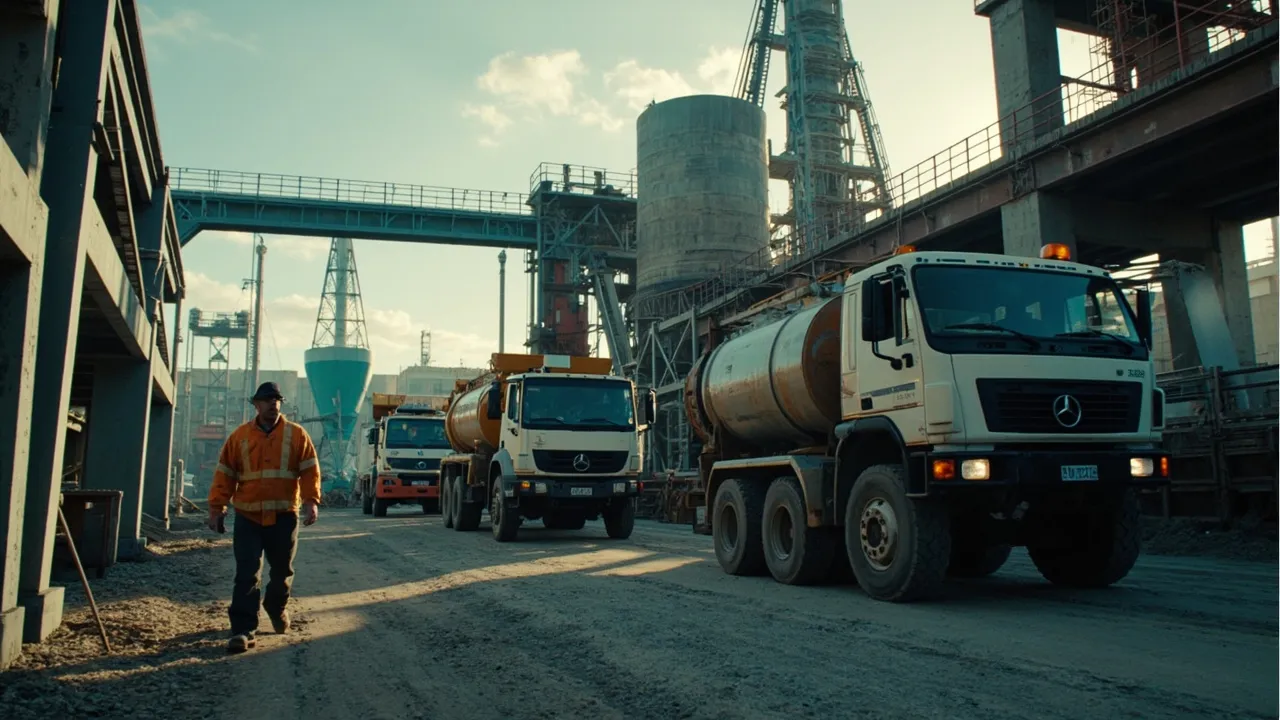
Data centers already strain construction logistics. They pull in steel, concrete, cooling systems, electrical rooms, generators, racks, batteries, security systems, and high-value IT equipment. Dedicated power projects add a second construction program alongside the facility itself.
That second program changes the critical path. A data center shell can be ready, but compute capacity is not useful without reliable power. A turbine that misses a delivery window can delay commissioning. A transformer that arrives without the right permits, cranes, or unloading plan can create a site bottleneck. A shipment that reaches West Texas before the laydown yard is ready can become a storage problem rather than a progress milestone.
The equipment is also not easy to substitute. Heavy power assets require route surveys, bridge analysis, axle-load planning, escorts, specialized trailers, lifting plans, port or rail coordination, and precise handoffs between suppliers, carriers, EPC teams, and site managers. Those steps are manageable when they are built into the project plan. They become expensive when discovered after the purchase order is already in motion.
For logistics teams, the question is not "Can we find a truck?" It is "Can every critical power component move through the right physical, regulatory, and construction windows without breaking the commissioning schedule?"
Turbine Queues Are Already Tight
The Chevron-Microsoft deal is part of a larger squeeze around power generation equipment. Supply Chain Brain reported that European buyers are paying reservation fees to secure production slots for gas turbines as data centers and electrification projects compete for capacity.
According to that report, customers seeking to reserve turbine manufacturing slots for about six months typically pay between 10% and 15% of a turbine's purchase price. Production can take several months or even years, and turbine manufacturers are largely booked through the end of the decade. Siemens Energy said data centers account for about 25% of its turbine demand, while roughly 60% still comes from conventional utility applications.
Those numbers point to a logistics reality: the queue starts before transportation begins. If a buyer has to pay to reserve manufacturing capacity, then the freight plan should be reserved with the same seriousness. Carrier qualification, route feasibility, lifting equipment, permit calendars, staging space, and alternate routes should be part of the commercial plan, not a late procurement task.
Heavy-equipment logistics is becoming a capacity market of its own. Turbine builders, utilities, hyperscalers, grid projects, and industrial developers are all competing for overlapping pools of project cargo expertise. The constraint is not only manufacturing output. It is the network of people and assets that can move, stage, install, and recover from disruption around equipment that may define a project's revenue date.
Manufacturing Strength Adds Freight Pressure
The broader industrial backdrop reinforces the point. Supply Chain Dive reported that U.S. manufacturing expanded in June at the fastest rate since July 2021, with new orders reaching a four-year high, according to S&P Global. The same survey warned that factory job cuts, excluding the pandemic period, reached the highest level since 2009, and that growth was being temporarily supported by inventory building amid supply fears.
That is an awkward operating environment for project freight. Demand for industrial equipment is improving, but labor and supply confidence remain uneven. More manufacturing activity can mean more competition for flatbed, heavy-haul, machinery-moving, and construction-site delivery capacity. Inventory building can crowd warehouses, ports, and staging yards.
AI power infrastructure lands in that environment with very little tolerance for sloppiness. Turbines and transformers are not parcel shipments. They cannot simply be expedited through a standard network if the plan fails. A missed permit, delayed escort, unavailable crane, or unready site can turn a scarce production slot into a stalled construction milestone.
What Freight Teams Should Control Earlier
The operating playbook should start with critical-path mapping. Every turbine, transformer, generator, switchgear unit, and modular power component should be tied to the construction or commissioning activity it enables. The shipment record should show pickup, delivery, permit status, route clearance, crane booking, site readiness, laydown assignment, and escalation owner.
Carrier selection should be based on specialization, not just rate. Heavy-haul providers need commodity experience, equipment availability, safety history, permit discipline, recovery capacity, and familiarity with construction-site delivery.
Documentation also needs tighter control. Power projects involve vendor drawings, dimensions, weights, lifting diagrams, inspection photos, damage notes, permits, proof of delivery, and milestone approvals. When those records live across inboxes, shared drives, and contractor portals, the project loses the evidence trail needed to resolve exceptions quickly.
Finally, exception escalation should be predefined. If a permit is late, an escort cancels, a crane window moves, or a site cannot receive, procurement, project management, construction, finance, carrier operations, and the customer team should know immediately.
Where CXTMS Fits
CXTMS gives logistics teams a single execution layer for this kind of project freight: milestone tracking, carrier coordination, permit and document visibility, appointment control, cost attribution, and exception escalation. For AI data center power projects, that means the turbine, transformer, and generator moves can be managed as project-critical workflows instead of scattered shipments.
The Chevron-Microsoft agreement shows where the market is heading. AI infrastructure will keep demanding dedicated, reliable power, and that power will arrive through physical equipment that has to be built, transported, staged, lifted, installed, and commissioned. The winners will be the teams that know which shipment can delay the project before it leaves the factory.
Ready to control critical power and project freight before it becomes a construction delay? Schedule a CXTMS demo and see how CXTMS helps logistics teams manage complex milestones, carrier execution, and exceptions in one place.