risk management
104 posts tagged with “risk management”

Amazon's Expanded 3PL Partnership: Protecting Control When a Provider Runs More of the Network
Use event ownership, data rights, concentration measures, and exit requirements to retain control as a 3PL takes on more of your network.
 CXTMS InsightsSeptember 27, 2026 · 6 min read
Port of Los Angeles Blocked 120 Million Cyberattacks in a Month: Prioritize Freight System Access by Operational Impact
Turn port cyberattack volume into an operational access-priority model for terminal, customs, appointment, and carrier connections.
CXTMS InsightsSeptember 20, 2026 · 6 min read
Bank Exits Are Squeezing Truck Financing: Add Carrier Credit Risk to Routing Guides
Truck lender exits and weaker equipment values can become service failures. Learn how to add practical carrier credit-risk controls to routing guides.
CXTMS InsightsSeptember 16, 2026 · 6 min read
Norfolk Southern’s Houston Environmental Exposure: Add Remediation Events to the Rail Shipment Record
A practical framework for connecting Houston rail remediation events to shipment visibility, contingency routing, chain of custody, and customer communication.
CXTMS InsightsSeptember 14, 2026 · 6 min read
Saudi Arabia’s East–West Pipeline Shutdown Removes a Shipping Backup Shippers Counted On
Saudi Arabia's East–West pipeline shutdown weakens a critical oil-export bypass as Red Sea risk rises. Here is how shippers should revise routing, inventory, and surcharge plans.
CXTMS InsightsSeptember 13, 2026 · 5 min read
U.K. Air Traffic Control Outage Costs: Put Infrastructure Failure Into Air Cargo Contracts
The September 8 NATS outage shows why air cargo contracts need explicit disruption costs, escalation clocks, evidence rules and liability boundaries.
CXTMS InsightsSeptember 12, 2026 · 6 min read
Cargo Theft Risk Rises When Terminals Slow: Create a Dwell-Time Security Trigger
Turn terminal delays and shipment dwell into a practical cargo-theft risk score that triggers secure parking, escorts, and accelerated pickup.
CXTMS InsightsSeptember 8, 2026 · 6 min read
COSCO Espionage Allegations: What Ocean Shippers Should Put in a Data-Exposure Register
The U.S. allegations involving COSCO are unproven, but they give ocean shippers a reason to document what shipment data carriers and partners can access.
CXTMS InsightsSeptember 2, 2026 · 6 min read
The Penske Decision Fallout: Rechecking Motor-Carrier Liability in Outsourced Freight
The Fifth Circuit's Penske decision puts new focus on motor-carrier liability, broker roles, subcontracting, and the operational records behind outsourced freight.
CXTMS InsightsSeptember 1, 2026 · 6 min read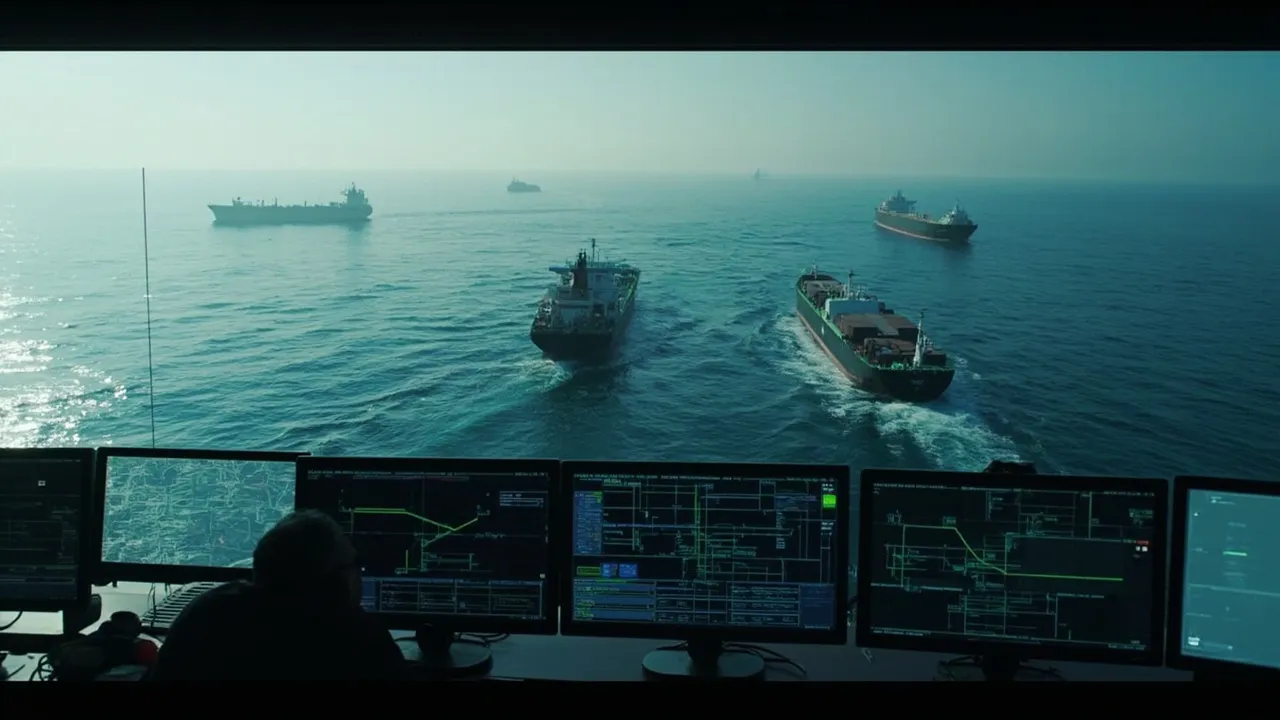
Strait of Hormuz Traffic Is Rising Again: How to Verify a Maritime Recovery
A practical framework for verifying Strait of Hormuz shipping recovery using vessel movements, insurance costs, port calls, carrier guidance, and transit performance.
CXTMS InsightsSeptember 1, 2026 · 6 min read