Container Shipping
16 posts tagged with “Container Shipping”
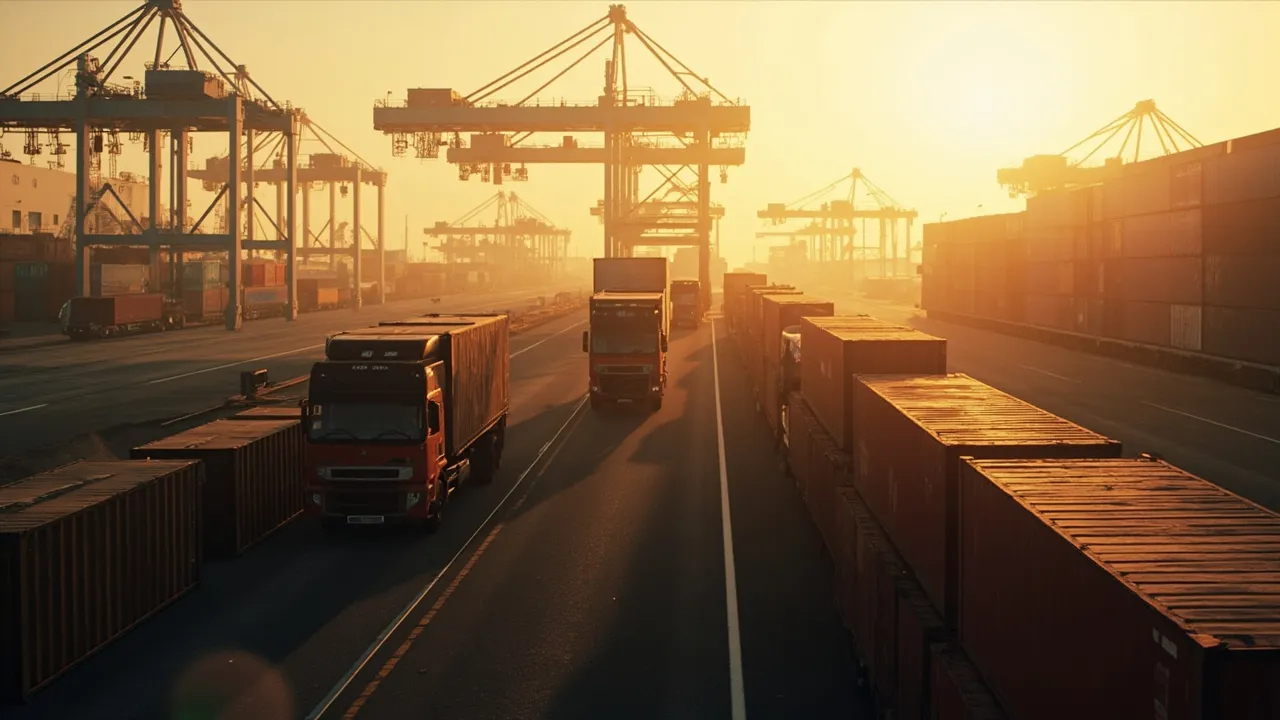
One Million Containers at Los Angeles Require a Terminal-to-DC Flow-Control Plan
Los Angeles handled a record one million TEUs in September. Shippers need coordinated terminal, drayage, rail, chassis, and DC controls to protect cargo velocity.
 CXTMS InsightsOctober 13, 2026 · 6 min read
Savannah Handles More Than 504,000 TEUs: Protect Truck Turn Times During Terminal Growth
Savannah's record September volume raises the stakes for drayage execution. Learn how to use gate, chassis, rail, and receiving triggers to protect truck turn times.
CXTMS InsightsOctober 9, 2026 · 6 min read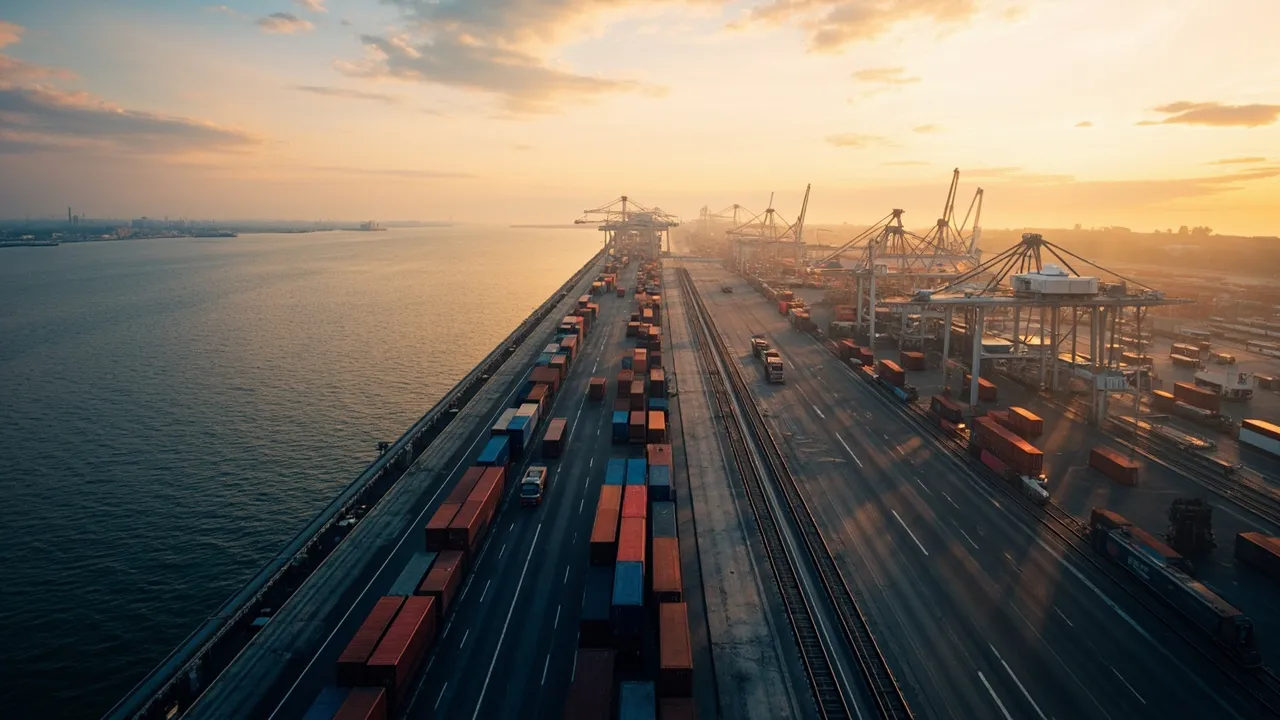
Delaware's $669 Million Container Terminal: Planning the Inland Network Before the Berth Opens
Delaware's Edgemoor terminal will add major container capacity, but shippers need rail, drayage, chassis, warehouse, and customs plans before committing volume.
CXTMS InsightsSeptember 15, 2026 · 5 min read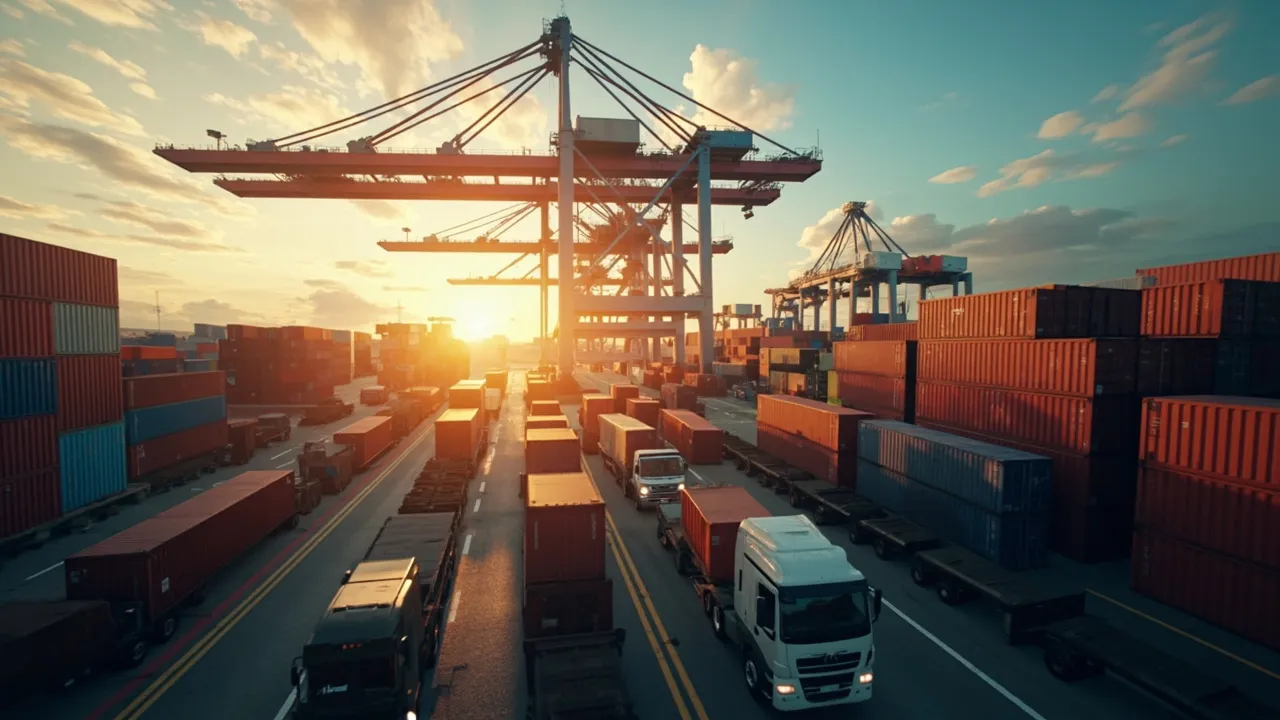
Port Service Quality in 2026: Measure the Handoff, Not Just Vessel Time
Build a port handoff scorecard that measures container availability, holds, appointments, truck and rail dwell, free time, and event completeness.
CXTMS InsightsAugust 15, 2026 · 6 min read
New York-New Jersey Moved 503,016 Loaded TEUs: Measure Import Velocity Beyond Port Volume
Port volume shows how many containers crossed the quay. Import velocity shows how quickly usable freight reached the warehouse. Build a better gateway scorecard.
CXTMS InsightsAugust 10, 2026 · 6 min read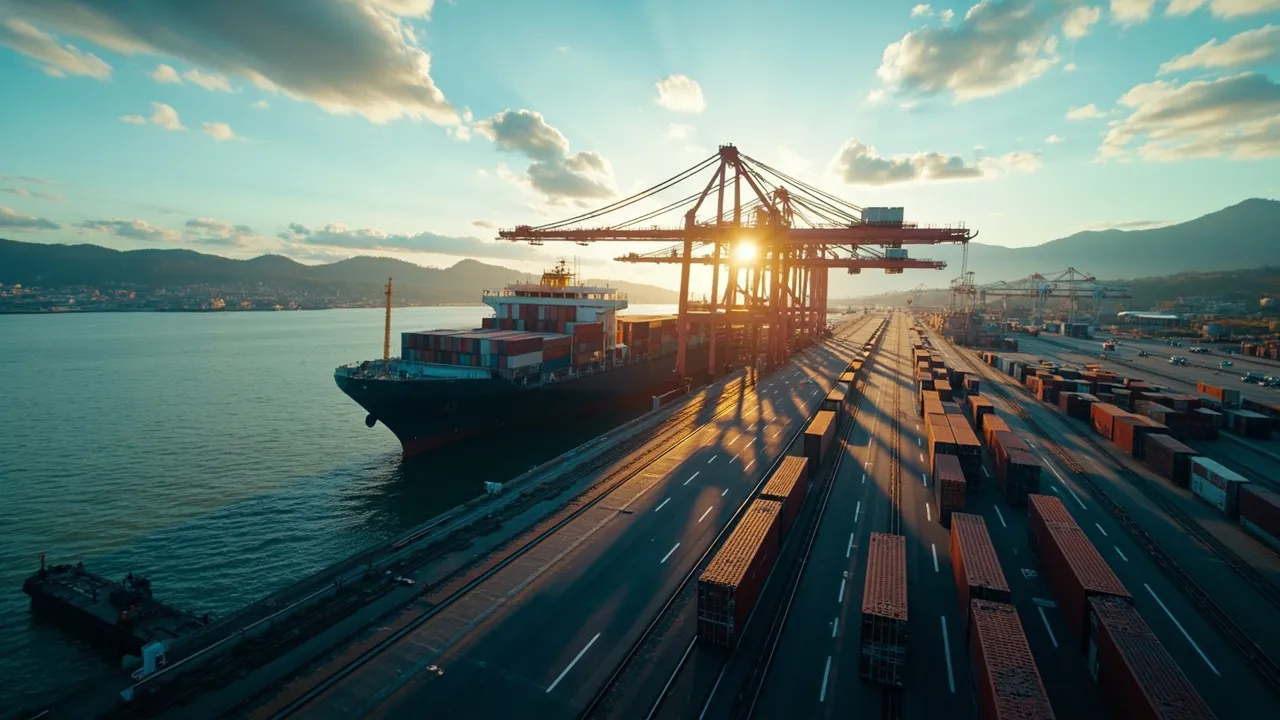
A $135 Million Washington Terminal Expansion Needs a Rail-to-Berth Capacity Model
Washington United Terminals is planning a major capacity increase, but importers should test berth, yard, gate, chassis, and rail performance before shifting volume.
CXTMS InsightsAugust 9, 2026 · 5 min read
Container Misrouting After the Iran Conflict: The New Economics of Equipment Repositioning
Hormuz disruption has displaced containers, tightened capacity, and raised ocean costs. Learn how forwarders can control equipment repositioning risk.
CXTMS InsightsJuly 25, 2026 · 6 min read
Ocean Carriers Are Layering Peak Season Surcharges Before Peak Season Arrives. Here's the Shipper Playbook.
Ocean carriers including MSC, CMA CGM, and Maersk announced June peak season surcharges of $500–$1,200/TEU for Asia-origin shipments. Here's what shippers need to do right now.
CXTMS InsightsJune 10, 2026 · 5 min read
Trans-Pacific Rates Are Rising Despite Soft Demand. Blank Sailings Are the Real Signal.
Trans-Pacific container rates are rising in a soft-demand market. The real signal for shippers is capacity management through blank sailings, not booking volume alone.
CXTMS InsightsMay 12, 2026 · 7 min read
Ocean Freight Contracts in 2026: Why the Rate Reset Is Happening Now and What Shippers Must Do
Ocean freight contracts in 2026 are facing a structural rate reset driven by vessel overcapacity and shifting demand. Here's what every shipper needs to know about renegotiation strategies, hybrid pricing, and FFA hedging.
CXTMS InsightsApril 29, 2026 · 6 min read