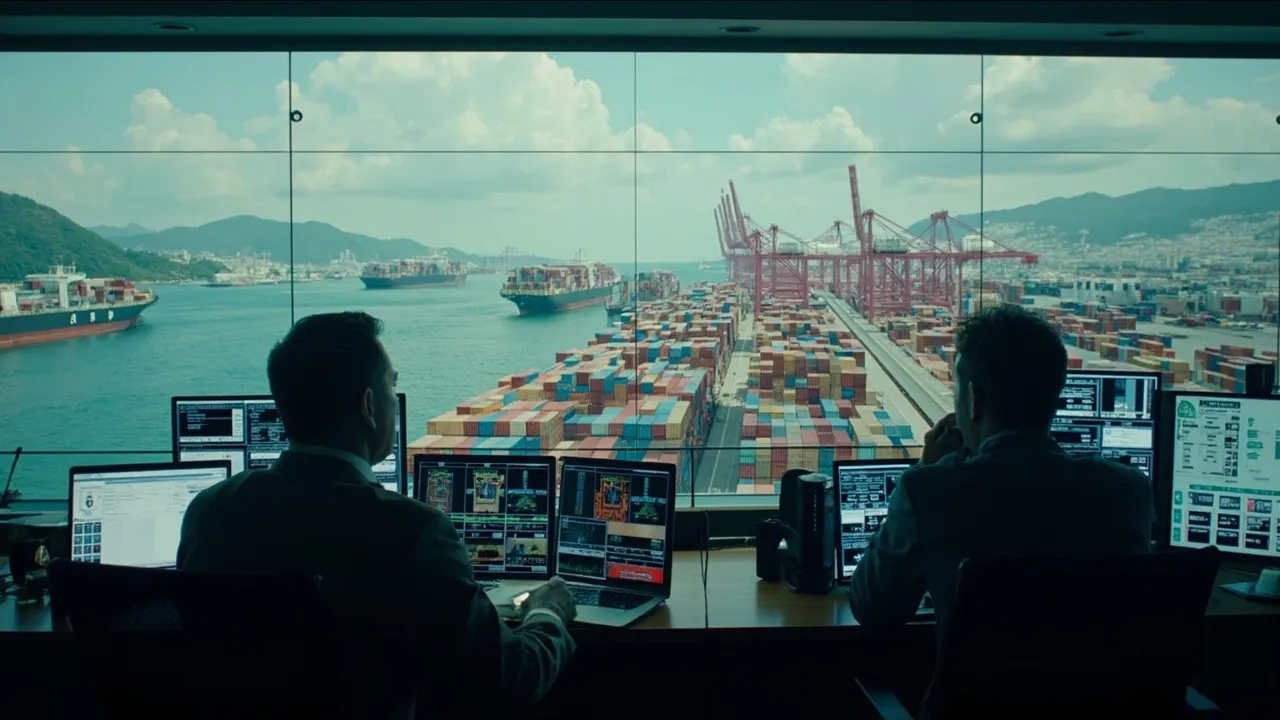
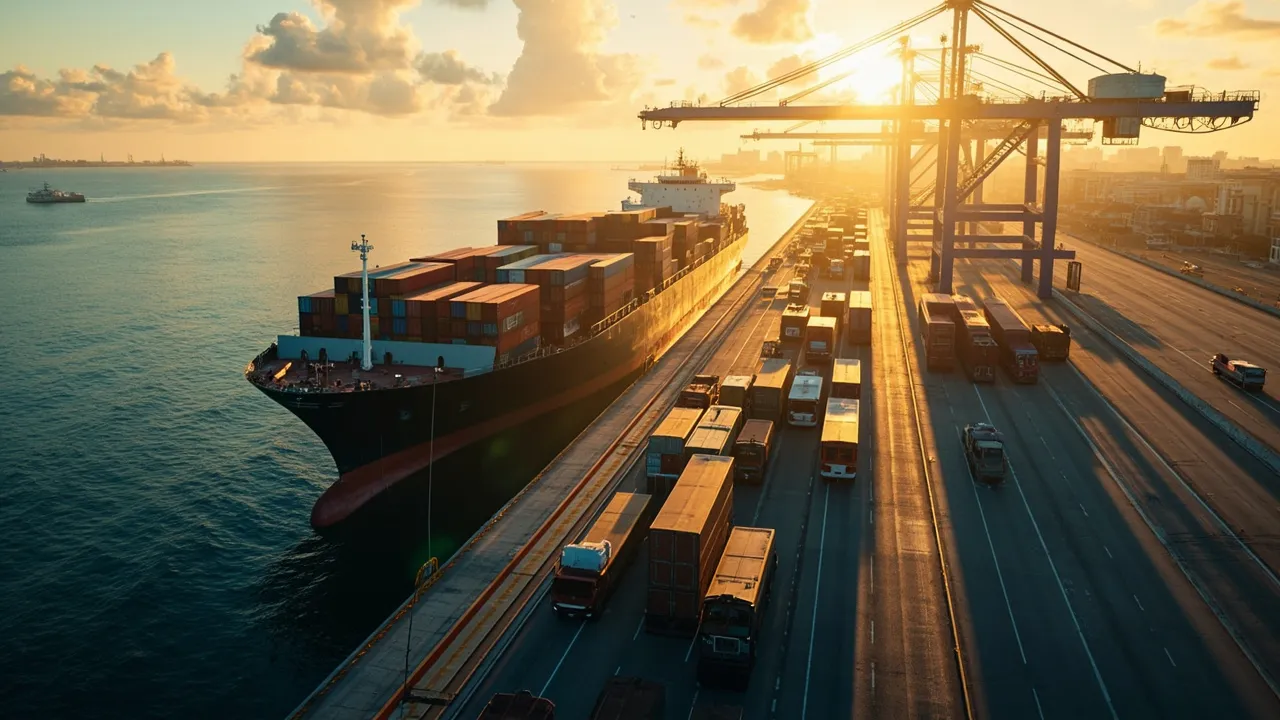
Empty Container Repositioning Crisis: How Equipment Imbalance Is Costing Shippers Billions

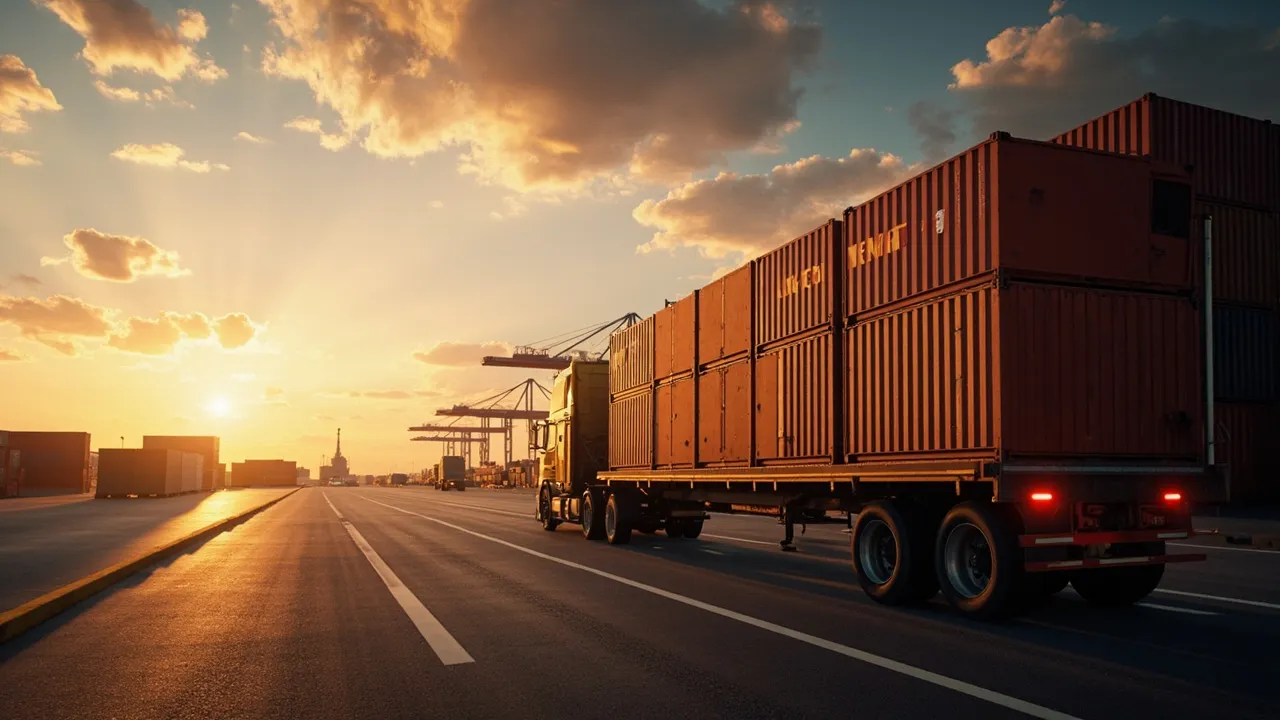
The economics of container shipping have always been asymmetrical. For every three containers arriving in Europe from Asia, only one returns loaded—a trade imbalance that has widened to 3.3:1 by the end of 2025, up from 2.9:1 just a year earlier, according to Container Trades Statistics. This isn't just an operational headache for carriers. It's a $15 to $20 billion annual drain on the industry that eventually flows through to every shipper's bottom line.
The Scale of the Repositioning Problem
Empty container repositioning represents one of logistics' most persistent inefficiencies. For a typical ocean carrier, repositioning costs consume 5 to 8 percent of total operating costs—a significant margin in an industry where profitability often hinges on single-digit percentages.
The problem has intensified dramatically. Data shows that empty containers requiring repositioning have surged 50% over the past seven years, climbing from 3 million TEU per month to 4.5 million TEU currently. This isn't merely a post-pandemic hangover; it's a structural challenge driven by fundamental shifts in global trade patterns.
Why the Imbalance Is Getting Worse
Approximately two-thirds of empty container movements arise from structural trade imbalances—countries like China simply export more than they import. But the remaining one-third stems from carrier-specific inefficiencies that are entirely addressable: scattered customer footprints, imbalanced import-export portfolios, sales teams focused on head-haul volume rather than flow optimization, and inadequate forecasting systems.
The Iran conflict and Hormuz closure have added another layer of disruption, forcing carriers to reround vessels via the Cape of Good Hope and disrupting established repositioning patterns. European terminals are now buried under surplus empties while Asian exporters face equipment shortages—a geographic mismatch that drives up costs on both ends.
Where the Money Goes
For large vessel-owning carriers, 60 to 75 percent of repositioning costs come from handling fees paid to terminals, depots, and intermodal operators. The remainder covers rail, truck, and barge transport. For non-vessel-owning logistics companies and leasing firms, the burden is even heavier—they must also pay for vessel slots to move empty boxes.
Research from Boston Consulting Group indicates that roughly 30% of repositioning costs are caused by operational inefficiencies rather than structural necessity. This represents a massive opportunity: carriers could avoid approximately one-third of these expenses through better coordination and marketplace solutions.
The Technology Solution
Container interchange marketplaces have emerged as a viable solution to the coordination problem. The concept is straightforward: instead of Carrier A paying to move 200 empty containers from Hamburg to Shanghai while Carrier B pays to move empties on the same route, they simply swap boxes. Each container interchange saves an average of $200 to $400, primarily by eliminating land transportation and terminal fees.
Scaling this approach across the top 100 global carriers could unlock $4.5 billion in annual savings. Including leasing companies and other equipment providers pushes the potential to $5 to $7 billion annually. Digital platforms now provide the transparency and automation necessary to identify interchange opportunities at scale, with some systems processing over 35,000 potential matches weekly.
What Shippers Can Do
While carriers bear the direct costs of repositioning, shippers feel the impact through higher rates, equipment availability issues, and scheduling uncertainty. Here's how logistics managers can minimize their exposure:
Diversify carrier relationships. Working with carriers who have complementary trade lanes increases the likelihood your cargo moves on optimized flows rather than repositioning legs.
Negotiate equipment clauses. Contract language around container availability, demurrage, and detention can shift repositioning risk. Consider clauses that incentivize carrier efficiency.
Leverage visibility tools. Real-time container tracking and availability indices help identify equipment surpluses before they become shortages. Platforms like Container xChange's Container Availability Index (CAx) provide forward-looking data on equipment positioning.
Plan around structural imbalances. If your supply chain involves heavy Asia-export lanes, build repositioning costs into your budget and explore backhaul opportunities to reduce net equipment costs.
Consider triangulation. Where possible, arrange for containers to move directly from import discharge points to export loading sites, bypassing depot storage and reducing handling touches.
The Bottom Line
Empty container repositioning isn't going away—structural trade imbalances ensure that. But the $5 to $7 billion in avoidable costs represents low-hanging fruit for an industry under persistent margin pressure. As Supply Chain Dive has noted, relocating empty containers to where they're needed remains one of supply chain's most addressable inefficiencies.
For shippers, the message is clear: equipment optimization is becoming a competitive differentiator. Carriers who solve their repositioning puzzle will offer better rates and more reliable service. Shippers who understand the dynamics can negotiate smarter contracts and build more resilient supply chains.
Ready to optimize your container logistics? CXTMS provides real-time visibility into equipment flows across your carrier network, helping you avoid costly repositioning delays and equipment shortages. Request a demo to see how our platform connects you with better container intelligence.