Freight Procurement
26 posts tagged with “Freight Procurement”
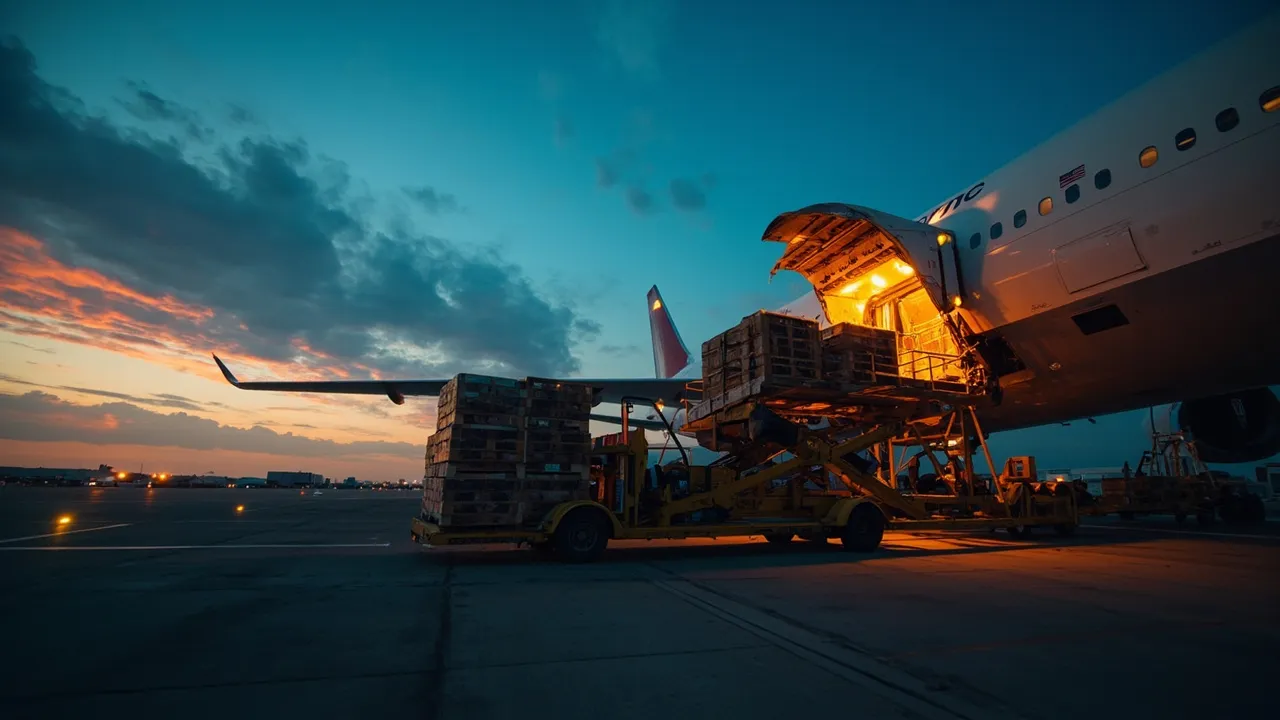
Air Cargo Rates Ease: Use Short-Term Capacity Without Losing Peak Protection
A practical air cargo buying framework for capturing softer short-term rates while preserving allocation, recovery rights, and peak-season protection.
 CXTMS InsightsSeptember 17, 2026 · 6 min read
Ocean Rates Cool While Capacity Stays Expensive: Use a Booking-Date Variance Ledger
Ocean spot rates are easing but remain elevated. Learn how a booking-date variance ledger separates market movement, carrier action, shipment changes, and accessorial costs.
CXTMS InsightsSeptember 11, 2026 · 5 min read
Spot Truckload Rates Rise Again: Build a Lane-Level Buy/Contract Decision for September
National spot truckload rates rose around Labor Day, but lane-level signals should determine whether freight moves to spot, mini-bid, or contract capacity.
CXTMS InsightsSeptember 10, 2026 · 5 min read
Dedicated LTL Rates Cut Costs 16.5%—But Only With Shipment-Level Governance
Dedicated LTL rates can deliver substantial savings, but shippers need shipment-level controls for accessorials, routing, service, claims, and invoice accuracy.
CXTMS InsightsAugust 31, 2026 · 5 min read
$5.652 Diesel Changes the Bid: A Fuel-Surcharge Reset for Shippers
With the national diesel average at $5.652 per gallon, shippers need to reset fuel-surcharge tables, bid assumptions, effective dates, and invoice controls.
CXTMS InsightsAugust 26, 2026 · 5 min read
Record Dry Van and Reefer Contract Rates Need Separate Routing-Guide Triggers
Dry van and reefer contract rates reached records even as truckload volumes declined. Learn how equipment-specific routing-guide triggers control cost and service risk.
CXTMS InsightsAugust 18, 2026 · 5 min read
58% of New Air Cargo Contracts Are Short-Term: Build a Rolling Capacity Procurement Calendar
As short-term air cargo contracts surge, shippers need a rolling procurement calendar that protects base, surge, and emergency capacity by lane.
CXTMS InsightsAugust 10, 2026 · 6 min read
Scarce U.S.–Canada and U.S.–Mexico Truck Capacity Calls for Border-Lane Allocation Rules
A practical framework for allocating scarce U.S.–Mexico and U.S.–Canada truck capacity using margin, shelf life, penalties, border risk, and true landed service cost.
CXTMS InsightsAugust 8, 2026 · 6 min read
Aurora's Driverless Truck Pricing Turns Autonomy Into a Lane-Level Make-or-Buy Decision
Aurora's disclosed driverless truck pricing gives shippers a practical basis for comparing autonomous service with dedicated, contract, and spot capacity lane by lane.
CXTMS InsightsAugust 7, 2026 · 6 min read
Truck Tender Rejections Near 15% Need a Lane-Specific Capacity Trigger
Truck tender rejections near 15% signal tighter capacity, but lane-specific thresholds help shippers protect service without overpaying networkwide.
CXTMS InsightsAugust 4, 2026 · 6 min read