Pabst’s 40,000-Pound Beer Theft: Securing High-Volume Food and Beverage Loads

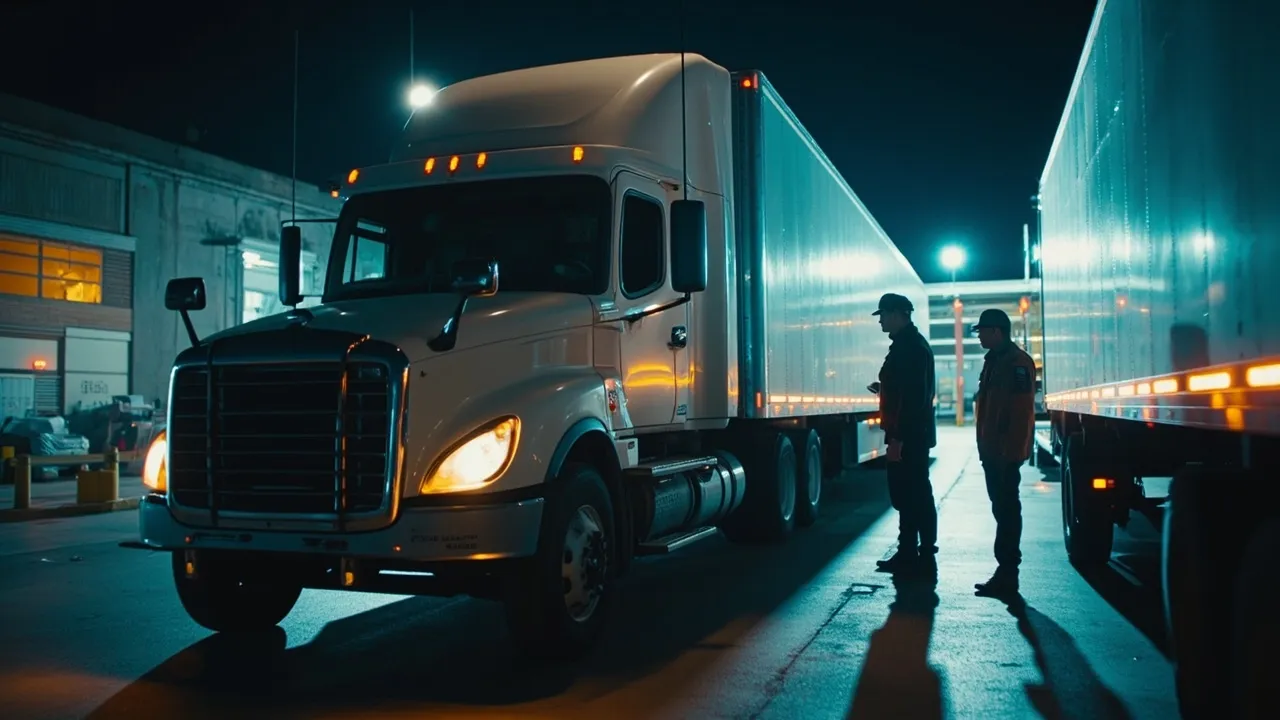
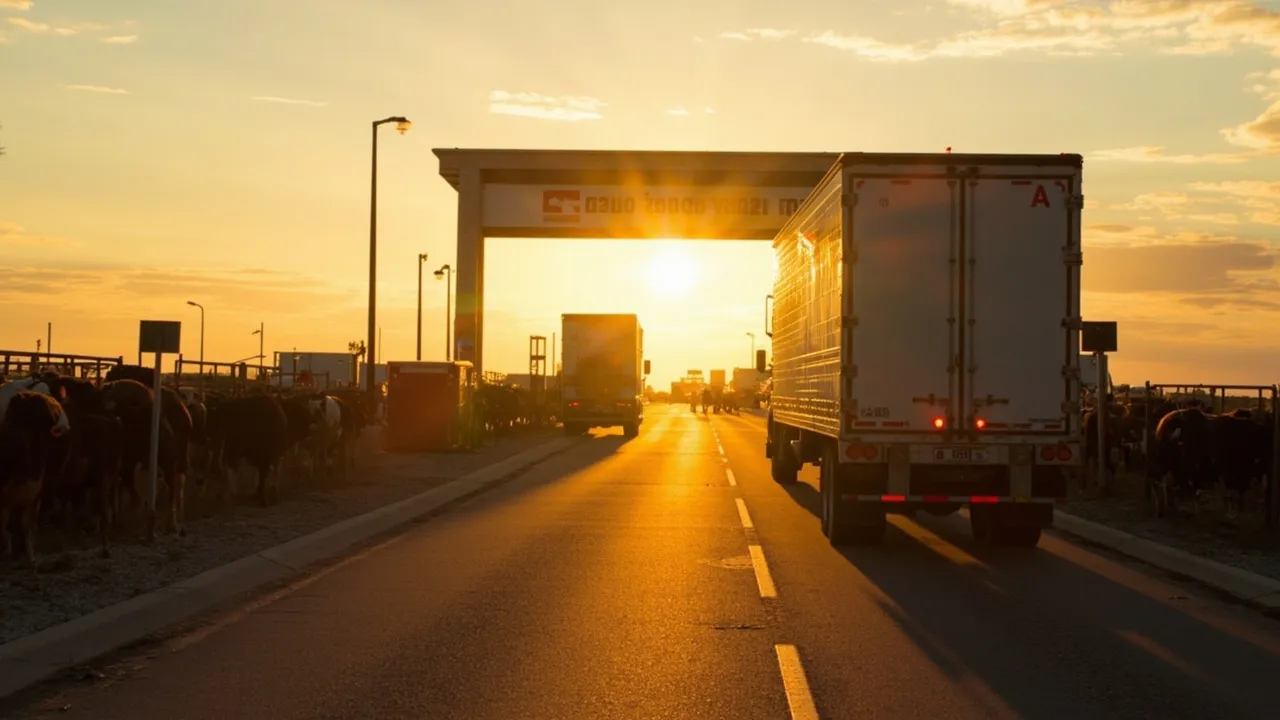
A truckload of beer does not look like a sophisticated target. That is precisely why the reported theft of roughly 40,000 pounds of Pabst Blue Ribbon deserves attention from food and beverage logistics teams. Familiar products move in predictable quantities, through busy facilities, and into resale channels where individual cases can disappear quickly.
SupplyChainBrain reported that the stolen load represented about 50,000 12-ounce cans with an estimated value of $25,000. The theft reportedly occurred after a driver collected the trailer from a Wisconsin distribution center. Pabst offered a $10,000 reward for information leading to an arrest and conviction. Investigators were also examining similarities to another recent beer theft: a shipment valued at about $45,000.
The lesson is bigger than the invoice value. A stolen branded load creates product-recovery costs, service failures, claims work, reputational exposure, and potential food-safety questions if product later re-enters commerce outside controlled custody.
Ordinary loads are attractive because they are liquid
Thieves do not need a specialist buyer to monetize beer, snacks, packaged foods, or soft drinks. These products are recognizable, divisible, and easy to move through informal retail, online marketplaces, or small distributors. A full trailer may be traceable; individual cases become much harder to identify once separated.
Food and beverage networks also create opportunity. High-volume facilities process many appointments, drivers, trailers, and last-minute changes. A release desk under pressure may treat a plausible pickup number, company name, and driver story as sufficient proof. Trailer staging can create another gap when a sealed load sits outside the controlled dock area before the authorized tractor arrives.
Modern cargo theft increasingly blends physical access with deception. A separate SupplyChainBrain security analysis warns that criminals are using identity fraud, strategic deception, and coordinated theft rings against shipments. That means a strong padlock is useful, but it cannot compensate for releasing the correct trailer to the wrong person.
Close the release gap at the distribution center
Pickup verification should operate like a transaction authorization, not a visual inspection. Before a trailer moves, the facility should match four records: the carrier assigned in the transportation system, the tractor and trailer identifiers, the driver identity, and the appointment or shipment number.
High-risk exceptions deserve a second approval. These include same-day carrier substitutions, changed driver phone numbers, early arrivals, handwritten credentials, mismatched license plates, and requests to collect a different trailer. Staff should confirm changes through a known carrier contact stored in the system—not a number supplied by the arriving driver or an email received moments earlier.
A practical release workflow includes:
- Pre-registering the driver’s name, mobile number, tractor plate, and expected arrival window
- Checking government-issued identification and recording verification without retaining unnecessary personal data
- Comparing the carrier’s operating authority and contact details with the approved master record
- Requiring a one-time pickup code delivered through a trusted channel
- Capturing the trailer number, seal number, tractor plate, driver confirmation, and gate-out time in one event record
The gate should reject rather than improvise when a material field does not match. Operations can resolve a legitimate exception; a departed fraudulent load is far harder to resolve.
Treat seals, staging, and geofences as one control system
A seal is evidence of access, not proof of location or identity. Record its unique number when the trailer is closed, verify it again at gate-out, and require the receiver to report it at arrival. For higher-risk loads, an electronic seal or door sensor can generate an alert when opened outside an authorized site.
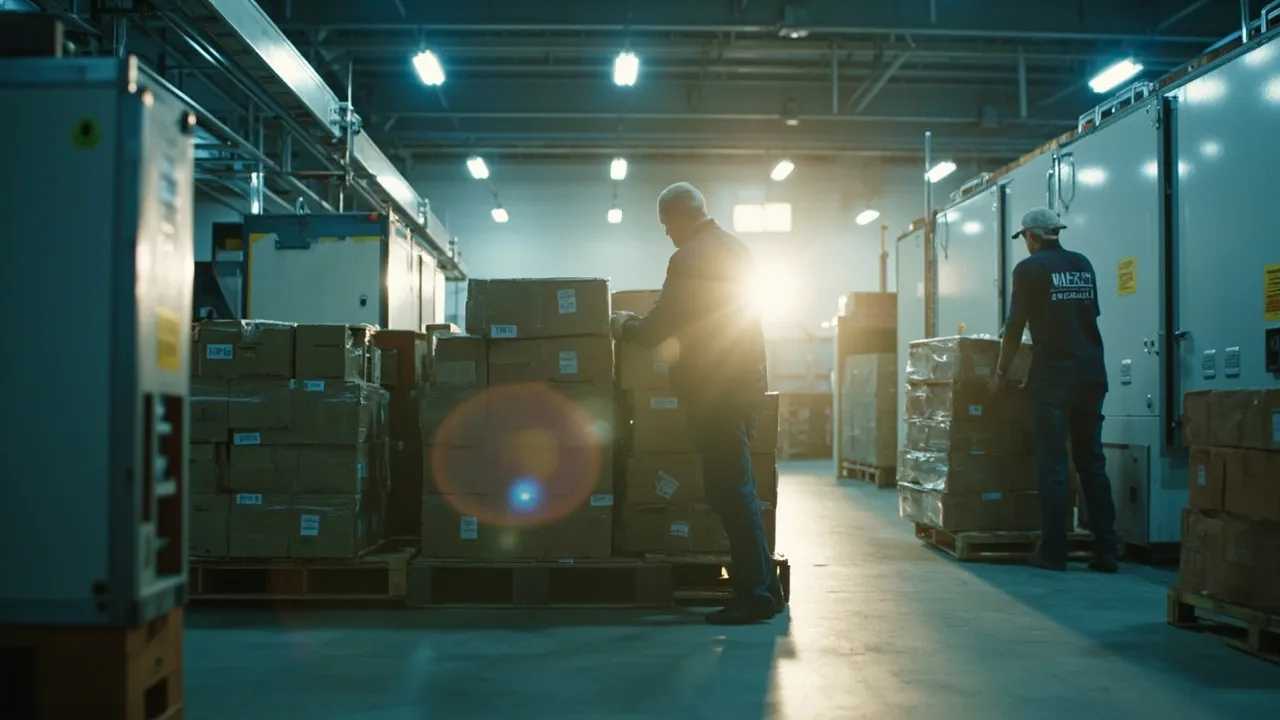
Staging rules matter just as much. Loaded trailers should remain in a controlled, well-lit area with restricted yard access and camera coverage. Yard checks should identify any unexpected tractor connection or trailer movement. If an overnight stop cannot be avoided, dispatch should designate approved secure parking rather than leaving the decision entirely to the driver.
Geofences then connect the physical controls to the trip plan. Create narrow zones around the origin, approved fuel or rest locations, and destination. Trigger exceptions for an unplanned stop, route deviation, lost position signal, door opening, or movement before the appointment. Alerts need named owners and escalation deadlines; a dashboard nobody watches is only decorative security.
Build the incident record before an incident
The first hour after a suspected theft is critical. Teams should not waste it searching across emails, paper gate logs, and separate tracking portals. The transportation record should already contain the shipment description, quantities, lot information where applicable, carrier and driver verification, tractor and trailer identifiers, seal history, timestamps, location events, documents, and responsible contacts.
Create an incident playbook that specifies who will:
- Contact law enforcement and provide the last confirmed location
- Notify the carrier, insurer, customer, and internal security team
- Preserve gate video, messages, location history, and access logs
- Place affected lot or serial information on hold if diversion could create a food-safety risk
- Document recovery costs, missed appointments, shortages, and customer communications for the claim
The record should distinguish verified facts from assumptions. That discipline makes law-enforcement handoff faster, strengthens an insurance claim, and prevents inconsistent customer updates.
Make security measurable
Security improves when it becomes part of routine transportation performance. Track the percentage of pickups with complete identity checks, seal compliance, unauthorized stops, time to acknowledge a geofence alert, and time to assemble an incident packet. Review exceptions by facility, carrier, lane, and shift. Repeated mismatches at one gate or recurring signal loss with one carrier are patterns, not isolated administrative errors.
The Pabst case is a useful warning because the cargo was ordinary. Food and beverage shippers do not need to turn every dock into a fortress. They do need consistent proof that the right driver, tractor, trailer, seal, and appointment came together before a load left custody—and rapid evidence when they did not.
Ready to connect pickup verification, shipment visibility, exception alerts, and incident records in one transportation workflow? Request a CXTMS demo to see how tighter execution controls can protect high-volume freight.