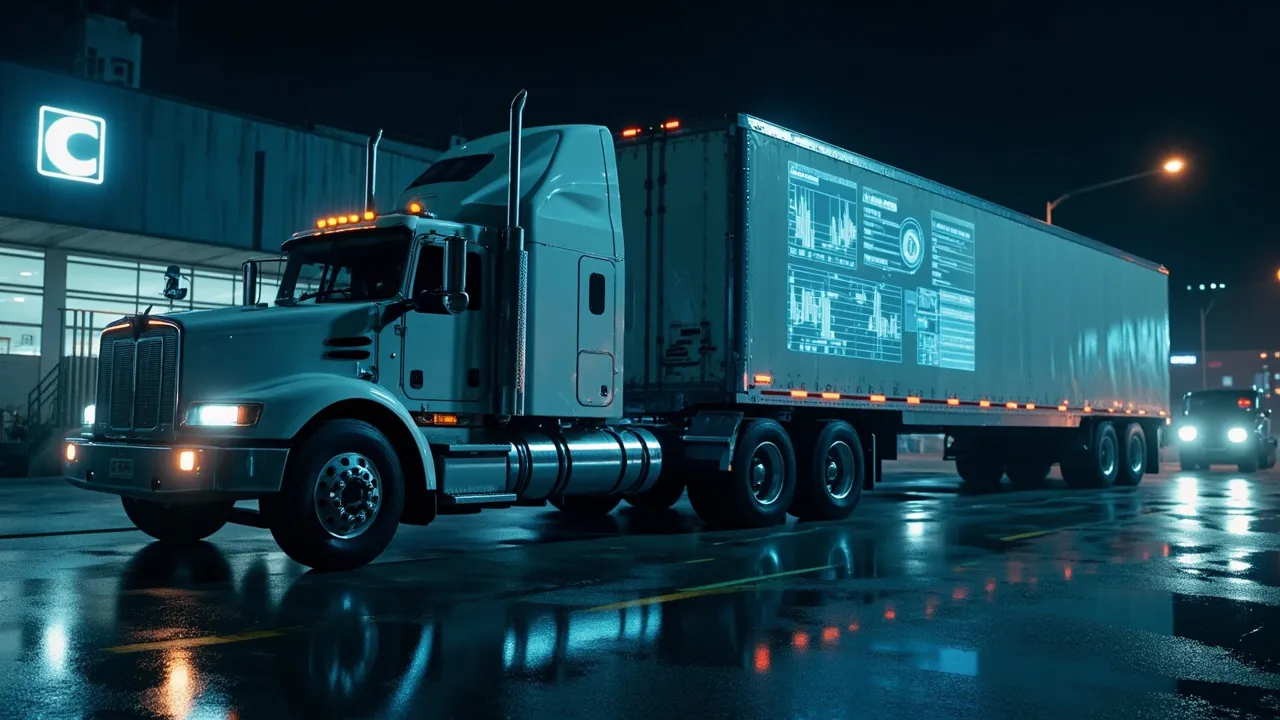
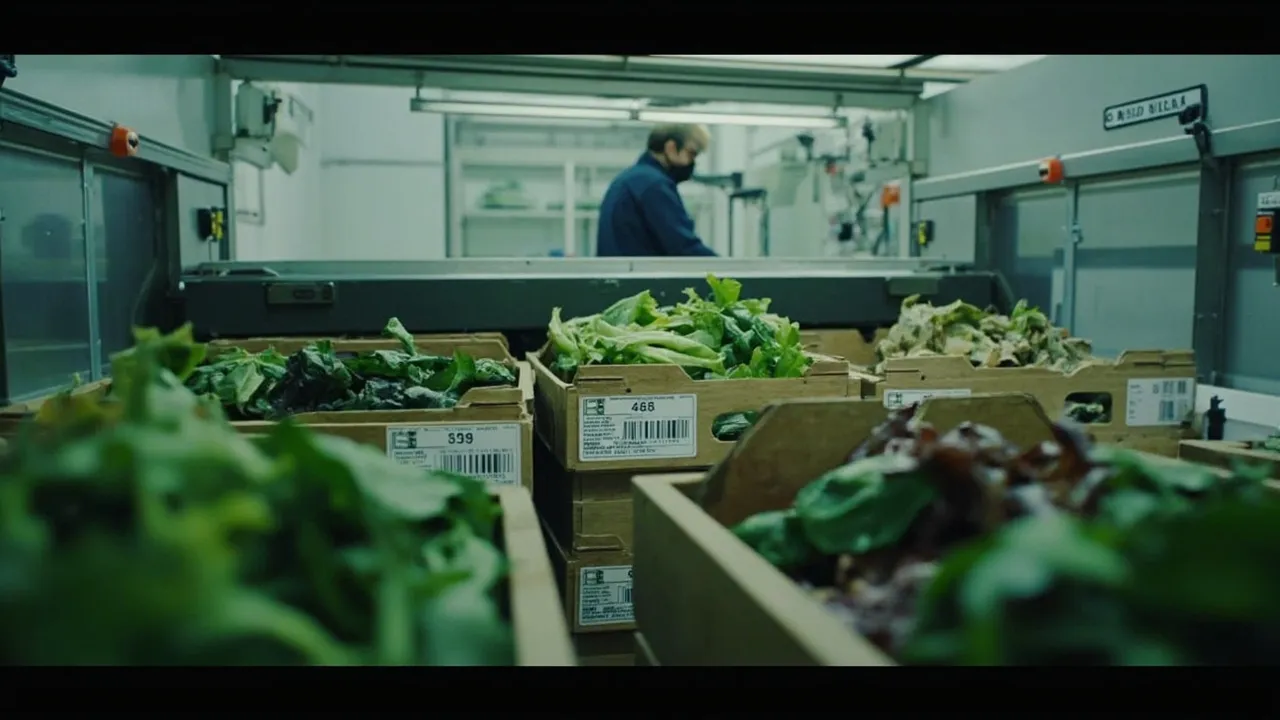
Lower-Carbon Food Packaging Must Survive the Freight Network, Not Just the Lab

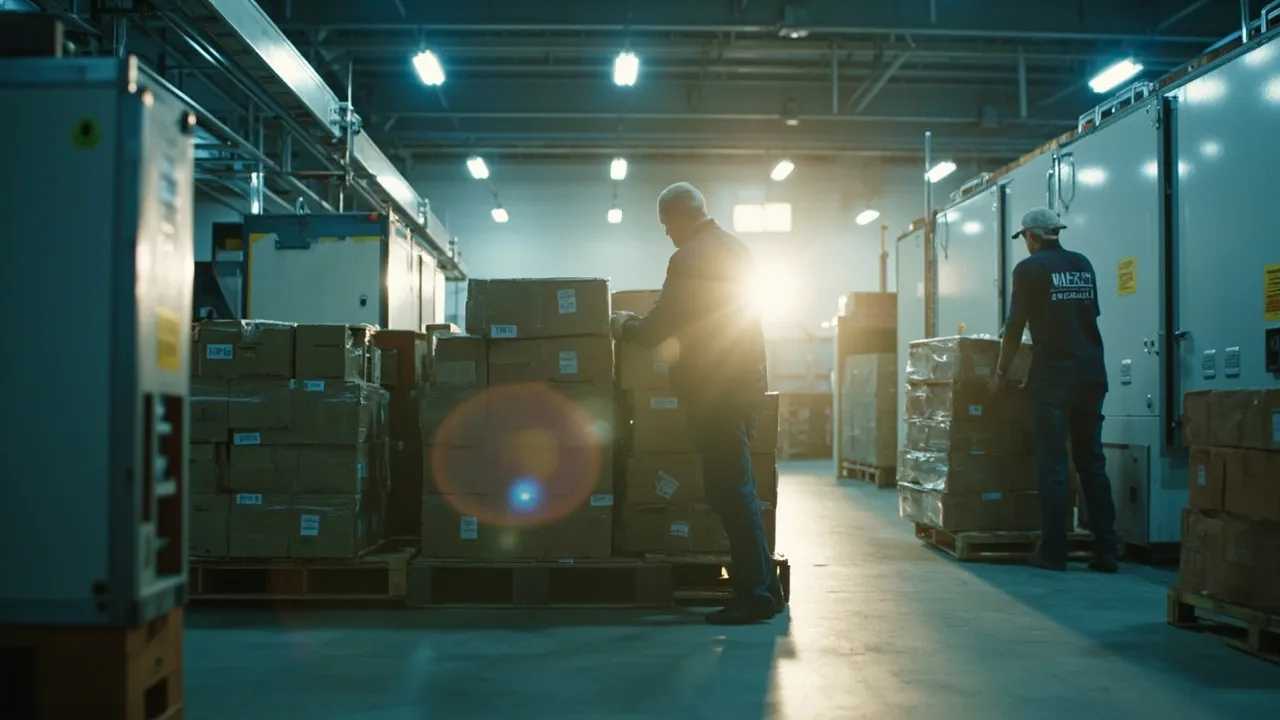
Lower-carbon food packaging can look excellent in a material specification and fail badly on a loading dock. A thinner wall, lighter tray, smaller carton, or recyclable coating may reduce packaging emissions per unit. But if that change increases crushed cases, temperature excursions, rejected loads, or reshipments, the freight network can erase the gain.
That is why packaging approval cannot stop with laboratory compression tests or a supplier's lifecycle assessment. Food shippers need to validate the complete package-and-product system on the lanes, equipment, warehouses, and handling patterns it will actually encounter.
The risk is not theoretical. Food Logistics warns that reducing package size can backfire if the share of food damaged in transit doubles, because added food waste carries its own substantial carbon burden. The right question is therefore not, “Did we remove material?” It is, “Did we reduce total emissions per saleable unit delivered?”
Material Reduction Changes the Freight System
Every package performs several jobs at once. It protects the product, supports stacking, preserves temperature, communicates handling requirements, and enables efficient use of a pallet, trailer, or container. Changing one variable can shift cost and risk elsewhere.
A lighter case may deform under stretch-wrap tension or lose strength in humid refrigerated environments. A smaller primary pack may improve units per case, yet create unused space in an existing master carton. A compostable film may behave differently around seals after repeated temperature changes. Eliminating secondary packaging may reduce material but increase abrasion during parcel sortation.
Cube deserves particular attention. An Inbound Logistics review of sustainable freight trends cites transportation statistics indicating that 30% to 40% of available space in loaded trailers goes unused. Better package geometry can place more saleable food in each load and reduce emissions per unit. Poor geometry can do the reverse—even when the package itself weighs less.
The same systems view applies to reusable packaging. Its environmental case depends on return distance, backhaul utilization, wash requirements, loss rate, and number of completed cycles. Reuse is not automatically lower carbon; it becomes lower carbon when the operating network consistently achieves the assumptions in the model.
Test the Package by Lane and Mode
A credible trial starts with representative shipment lanes rather than a single controlled test. Segment the network by the conditions that can expose different failure modes:
- Parcel lanes introduce repeated drops, vibration, conveyor transfers, and mixed-load handling.
- LTL lanes add cross-docks, multiple trailer moves, uneven stacking, and greater handling variability.
- Refrigerated truckload lanes introduce moisture, temperature cycling, condensation, and long-duration compression.
- Warehouse flows add pallet movements, rack storage, automated handling, case picking, and repalletization.
For each segment, run the proposed package alongside the current design as a control. Use the same products, origins, destinations, carriers, loading patterns, and seasonal conditions where possible. A short pilot should cover normal operations plus stressful but plausible conditions: a long dwell, a high-humidity lane, a multi-stop route, and a heavily handled LTL move.
Sample size matters, but so does representativeness. One perfect full-truckload trip proves little about a product that frequently moves through LTL terminals. Likewise, a successful ambient trial does not validate a package intended for frozen distribution.
Measure the Delivered Outcome, Not Just the Package
The scorecard should connect sustainability measures to freight and product outcomes. At minimum, record packaging weight and composition, units per case, cases per pallet, pallet height, trailer or container cube utilization, shipment weight, and estimated transport emissions per saleable unit.
Then capture what happened in transit: crushed or leaning cases, seal failures, punctures, moisture damage, load shifts, temperature excursions, rejected quantities, spoilage, repacking labor, claims, returns, and replacement shipments. Photographs at origin, transfer points, and destination create stronger evidence than a final pass/fail field.
Temperature data is especially important for perishable food. Food Logistics identifies real-time temperature monitoring and data analytics as tools for finding temperature variation and spoilage risk. Pair those readings with package version, lane, dwell time, reefer set point, and receiving condition. That makes it possible to distinguish a packaging weakness from a refrigeration or handling failure.
The final comparison should use a total-impact formula:
Net carbon per saleable unit = package carbon + allocated transport carbon + temperature-control energy + carbon from damaged product, disposal, returns, and replacement shipments.
Financial measures belong beside it: packaging cost, freight cost per delivered unit, warehouse labor, damage allowance, claims, and reverse-logistics expense. A design that cuts packaging carbon while increasing landed cost or rejection risk may need another iteration, not a network-wide rollout.
Build an Approval Record That Operations Can Audit
The approval file should identify the package specification and revision, product SKU family, supplier lot, trial lanes, modes, facilities, carriers, dates, weather or temperature conditions, load diagrams, sensor IDs, and sample size. It should also preserve the baseline, test results, exception photos, claims, and the calculation method behind any carbon estimate.
Set thresholds before the trial. Examples include no statistically meaningful increase in damage, no increase in temperature excursions, a minimum cube improvement, and a target reduction in carbon per saleable unit. Predetermined thresholds prevent a promising material claim from overshadowing weak operational results.
If performance varies, approve conditionally. A package might work for palletized truckload but not parcel, or for short refrigerated lanes but not multi-day distribution. Encode those boundaries in packaging instructions, routing rules, and warehouse workflows. Do not rely on tribal knowledge to keep the wrong package off the wrong lane.
Finally, monitor the design after launch. Compare claims, rejections, temperature events, and delivered-unit emissions by package revision for at least one seasonal cycle. Material suppliers, carrier networks, warehouse practices, and weather all change. Validation is a controlled release process, not a one-time certificate.
Lower-carbon packaging succeeds when it uses less material and protects more food per freight movement. The best programs make sustainability measurable at the receiving dock, where intact, saleable product provides the clearest evidence that the package works.
Ready to connect packaging trials with lane, shipment, and exception data? Request a CXTMS demo to see how better transportation records support evidence-based packaging decisions.