Outpost’s 3 Million Gate Events Show Yard Automation Is Moving From Nice-to-Have to Infrastructure

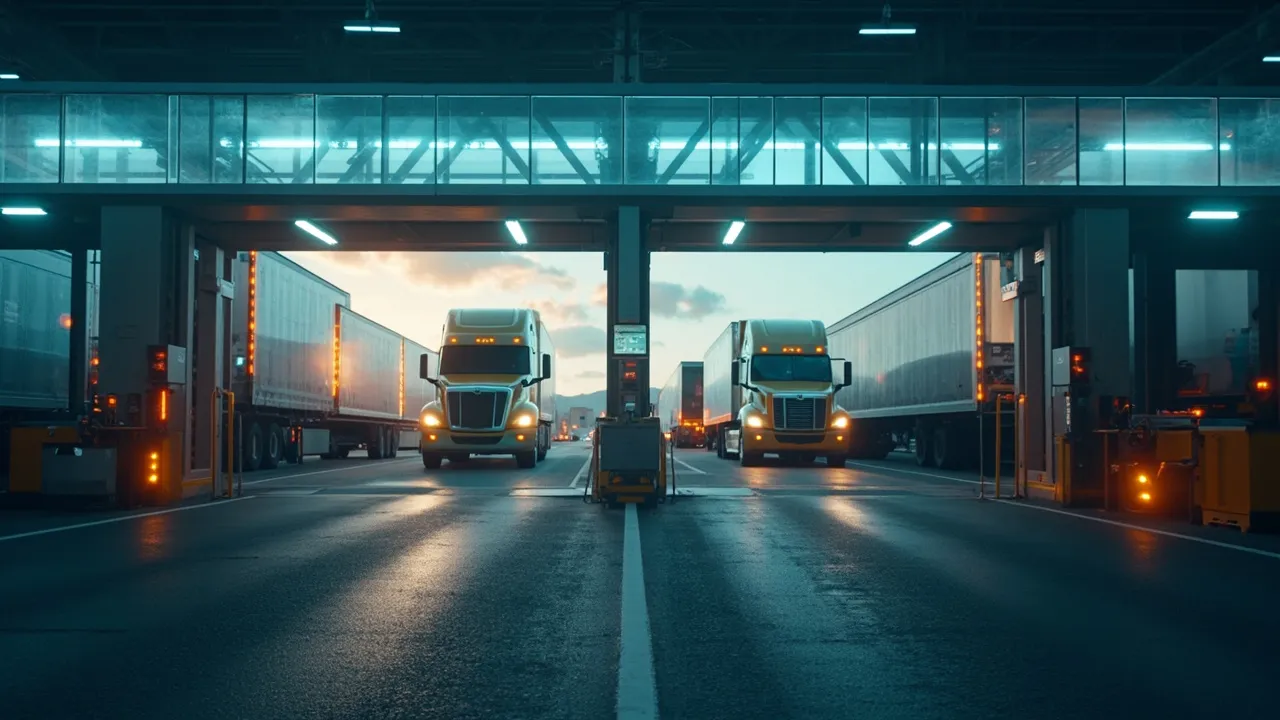
The truck gate used to be treated like a guard shack problem. A driver arrived, someone checked paperwork, a badge or clipboard changed hands, and the real logistics work supposedly started after the trailer entered the yard.
That view is obsolete.
Outpost has rolled out a second-generation gate automation platform across its truck terminal network, and the scale matters: the system now processes more than 3 million gate events annually across company terminals and customer sites, according to Logistics Management. The new version adds a kiosk, expanded machine vision capabilities, and operational tools for automating facility gates and security operations.
This is not just a clever way to replace a clipboard. It is a sign that gates are becoming the data layer for yard management, detention control, trailer visibility, and dock execution.
The Gate Is Where Transportation Data Becomes Operational
Every facility has a version of the same problem: transportation systems know a load is supposed to arrive, dock scheduling knows a time slot, the yard team knows what is physically on site, and security knows who came through the gate. Too often, those facts do not reconcile until someone starts chasing exceptions.
That delay is expensive. If arrival time is captured manually, dwell calculations are suspect. If trailer condition is written in notes, claims teams lose evidence. If check-in data is typed after the fact, dock teams work from stale information.
Automated gate infrastructure attacks the problem at the first physical handoff. Outpost’s platform captures gate transactions with driver inputs, images, automated decisions, and manual overrides in a detailed event timeline. That timeline turns the gate from a bottleneck into a system-of-record event: who arrived, when, with what equipment, in what condition, and what the facility did next.
For shippers, carriers, and 3PLs, that record is becoming foundational. Dwell, detention, accessorial disputes, security investigations, trailer audits, and service performance all depend on a clean timestamp. If the timestamp is wrong, every downstream KPI is negotiable. If it is automated and auditable, the conversation changes.
Machine Vision Is Replacing Manual Yard Guesswork
The most interesting part of Outpost’s release is not the kiosk itself. It is the combination of machine vision, equipment verification, and workflow automation.
Logistics Management reported that the updated platform can read reefer monitor data at arrival and departure, verify seals and latches for presence and integrity, and correlate data across multiple cameras to improve vehicle-matching accuracy. For high-value or temperature-controlled freight, Outpost CTO Greg Akselrod described the result as a verified, timestamped record of trailer condition at the gate without the inconsistency of a manual inspection process.
That matters because many yard failures are not dramatic. They are small data gaps that compound. A seal check is missed. A reefer status is recorded late. A trailer number is transposed. A carrier is marked arrived but not assigned to the correct door. Each miss creates friction: phone calls, rework, claims exposure, rejected accessorials, and avoidable detention.
Machine vision does not eliminate operational judgment, but it gives teams a cleaner base layer. Cameras can document trailer identity, equipment status, seal condition, and gate movement consistently. Kiosks can capture driver inputs and route instructions. Multilingual real-time transcription can reduce confusion at check-in. Engine-canceling microphones, another feature cited by Outpost, let drivers communicate without shutting down or leaving the cab.
The practical outcome is fewer manual touches at the exact point where congestion usually starts.
Yard Automation Is Becoming a Capacity Tool
The timing is important. Logistics networks are dealing with tighter transportation conditions and rising cost pressure. The April Logistics Manager’s Index reached 69.9, up from 65.7 in March and its fastest expansion rate since March 2022, according to Logistics Management. The same report said transportation prices hit 95.0, while transportation capacity fell to 28.4, creating the largest gap between the two metrics in LMI history.
When capacity is loose, a sloppy gate process is annoying. When capacity tightens, it becomes a cost center.
Carriers price waiting time into relationships, whether through formal detention, tighter appointment windows, or reduced willingness to accept future loads. Facilities that cannot move trucks predictably lose flexibility. Drivers stuck in gate queues are not available for the next pickup. Yard teams that cannot locate trailers burn labor on searching instead of staging. Dock doors sit idle while the right equipment is physically on site but operationally invisible.
That is why gate automation should be evaluated as infrastructure, not a gadget. A faster gate is useful. A gate that creates trusted arrival, equipment, and condition data is more valuable. It gives teams the evidence to manage appointments, resolve carrier disputes, measure dwell, and improve turn times.
Integration Is the Real Test
The biggest risk with yard technology is treating it as a standalone system. Automated gate data only reaches its full value when it feeds dock scheduling, yard management, transportation execution, and exception workflows.
A clean arrival event should update the appointment. Trailer identity should match the shipment record. Reefer and seal status should trigger exceptions if thresholds are violated. A live-load arrival should notify the dock team. A drop trailer should become visible to the yard jockey. A detention clock should start based on a timestamp that finance, operations, and carriers can all trust.
Without that integration, automation just creates another dashboard. With it, the yard becomes part of the transportation control tower.
This is especially important for mixed facilities handling drop-and-hook, live unload, temperature-controlled freight, pool trailers, dedicated fleets, third-party carriers, and after-hours arrivals. Those environments need rules, timestamps, equipment visibility, and escalation paths.
What Shippers Should Do Now
Shippers do not need to automate every gate tomorrow. They do need to stop treating gate data as an afterthought.
Start by auditing arrival and departure capture. Which timestamps are automated? Which are typed manually? Which systems disagree? Then review the biggest sources of yard friction: detention disputes, missed appointments, trailer searches, seal issues, reefer exceptions, and check-in queues.
Next, define the integration points before choosing technology. Gate events should connect to dock scheduling, yard status, TMS shipment records, carrier scorecards, and accessorial review. If a platform cannot improve those workflows, it may reduce labor at the guard shack but still leave transportation blind.
Finally, measure gate performance as part of transportation execution. Track check-in time, queue time, trailer location accuracy, exception rate, dwell, detention exposure, and carrier turn time. The yard is not separate from freight performance. It is where freight performance becomes physical.
CXTMS is built around that reality. Transportation teams need one operating layer where appointments, carrier activity, yard status, exceptions, and cost exposure can be managed together. Gate automation supplies the first trusted signal. A connected TMS turns that signal into action.
If your yard still depends on manual check-ins, delayed spreadsheets, and after-the-fact detention debates, the gate is telling you something. It is no longer just an entrance. It is logistics infrastructure.
Ready to connect yard events, dock scheduling, and transportation execution in one workflow? Schedule a CXTMS demo and see how CXTMS helps logistics teams turn operational signals into faster decisions.