Smurfit Westrock’s Superplant Uses 60% of Traditional Labor. Packaging Logistics Should Pay Attention.

Packaging rarely gets the same attention as ports, truckload rates, or warehouse robotics. That is a mistake. When corrugated supply tightens, retailers cannot ship ecommerce orders, manufacturers cannot protect finished goods, and distribution centers cannot keep outbound doors moving. Boxes are not a clerical purchasing item. They are freight infrastructure.
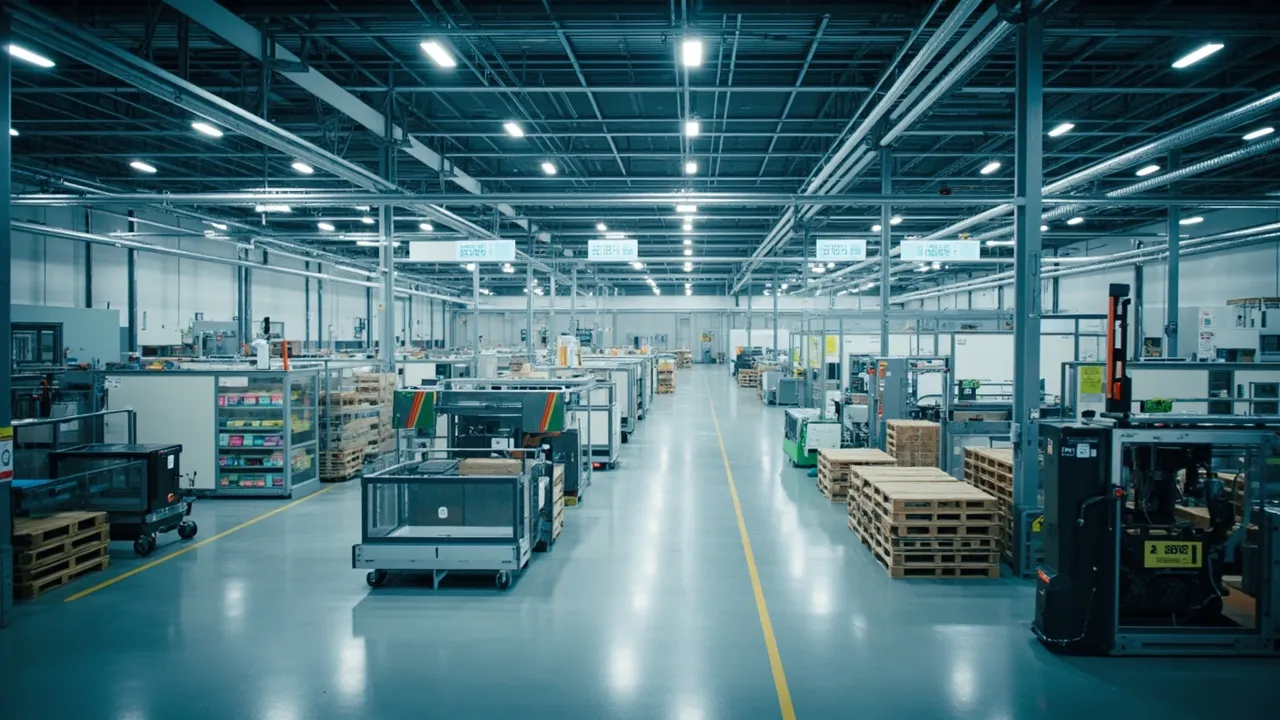
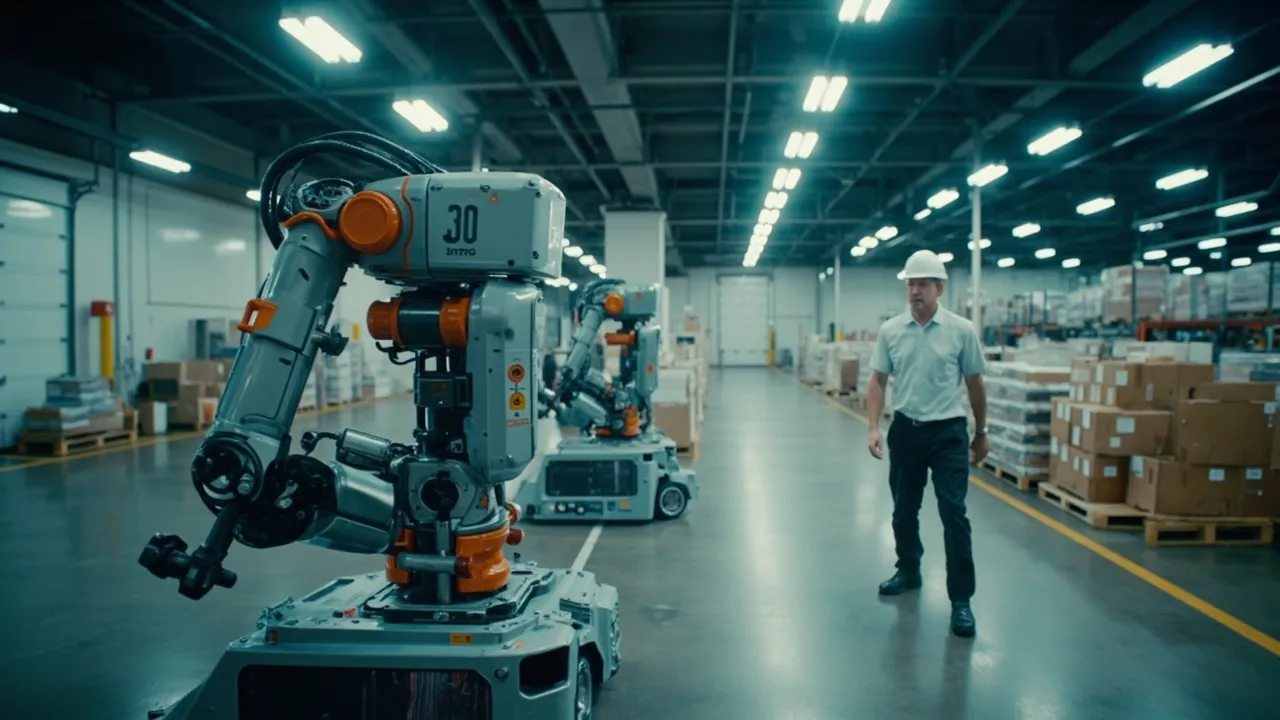
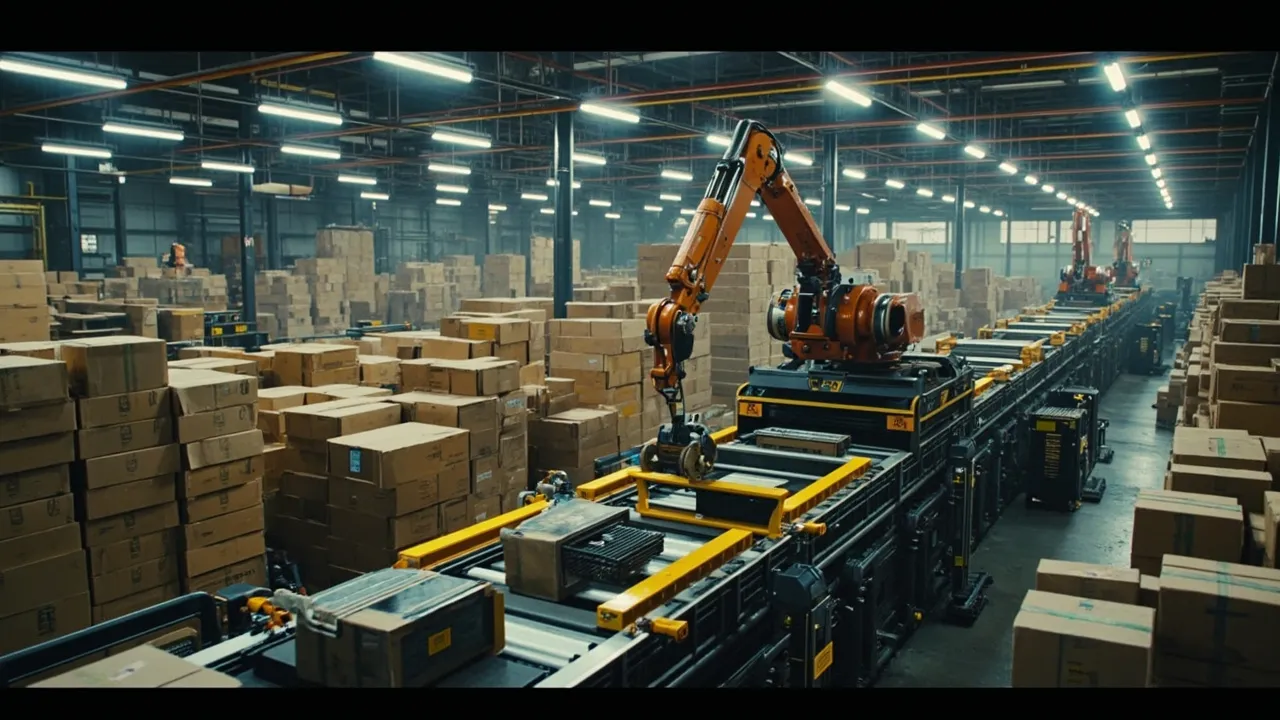
That is why Smurfit Westrock’s Pleasant Prairie, Wisconsin, superplant matters well beyond the packaging industry. According to Supply Chain Dive, the $136 million facility spans 595,000 square feet and is designed to produce about 3 billion square feet of corrugated boxes annually — roughly three times the output of a typical corrugated box plant. The site uses advanced automation, robotics, and conveyorized material flow to operate with about 60% of the labor a traditional box plant would require.
For logistics teams, the headline is not simply “automation saves labor.” The real lesson is that packaging capacity is becoming more concentrated, more regional, more data-driven, and more tightly linked to transportation execution.
Why a Box Plant Is a Freight Node
Corrugated packaging is often treated as indirect spend until something breaks. Then it becomes painfully direct. A retailer missing cartons for a promotion cannot ship. A food manufacturer short on high-performance liners cannot release product. A healthcare or beauty brand without the right small-format box cannot hit parcel cutoffs without damage risk or excessive dunnage.
The Pleasant Prairie plant was built for the Great Lakes market, a dense manufacturing and distribution region anchored by Chicago. Supply Chain Dive notes that the facility sits along the Wisconsin-Illinois border near Interstate 94, serves one of the country’s largest corrugated consumption regions, and benefits from nearby rail infrastructure. Wisconsin’s Department of Transportation awarded Pleasant Prairie $885,000 for a rail spur project connecting the site to the Union Pacific mainline, supporting inbound raw materials such as paper and starch.
That rail detail matters. Packaging plants consume bulky inputs and produce bulky outputs. If inbound paper supply becomes more predictable, outbound box availability becomes more predictable. If a superplant can support a wider regional service radius with fewer manual bottlenecks, the ripple effect reaches manufacturers, retailers, 3PLs, and ecommerce fulfillment centers that depend on steady box replenishment.
Automation Changes the Risk Profile
Smurfit Westrock’s automation stack is not decorative. The reported system includes a Para Crab roll stock delivery system that moves rolls from storage to the single facer without human interaction, a 132-inch BHS corrugator described as about 80% automated, automated quality controls that eject defective products in real time, and converting equipment capable of high-speed box production. The Mitsubishi Heavy Industries EVOL Flexo Folder Gluers can reportedly produce up to 350 boxes per minute at maximum speed, while Bobst rotary die cutters can run up to 12,000 feeds per hour.
Those numbers matter because packaging failures are usually not single-point failures. They are throughput failures. A plant that reduces manual roll handling, automates defect detection, and uses robotics for packing, sealing, and palletizing is not just faster. It is less exposed to forklift congestion, labor absenteeism, manual damage, and inconsistent quality checks.
For shippers, that changes what supplier risk monitoring should look like. Traditional packaging procurement focuses on unit price, lead time, minimum order quantity, and supplier location. Modern packaging logistics needs a broader scorecard: automation maturity, rail access, converting redundancy, regional coverage, SKU complexity, emergency production capacity, and recovery time after a line stoppage.
Manufacturing Momentum Raises the Stakes
Packaging capacity also deserves attention because manufacturing demand is not standing still. Supply Chain Brain reported that U.S. industrial production rose 0.7% in April, the strongest increase in more than a year, while manufacturing output increased 0.6% and motor vehicle and parts output rose 3.7%. Even when demand is uneven, a manufacturing rebound can quickly show up as higher needs for corrugated, pallets, labels, protective materials, and parcel-ready packaging.
That creates a planning problem. Freight teams often model finished-goods transportation separately from packaging availability. In reality, the two move together. If factories increase output but packaging suppliers are constrained, finished goods pile up. If packaging suppliers can produce but outbound truck appointments are poorly coordinated, DCs see late replenishment and miss ship windows. If plants consolidate into larger hubs, lane design and appointment discipline become more important because a disruption affects more customers at once.
What Shippers Should Monitor
Packaging supplier networks deserve the same operational discipline as carrier networks. At minimum, shippers should track five signals.
First, monitor plant-level capacity concentration. A high-output superplant can improve service, but it can also increase dependency on one regional node.
Second, map inbound raw material modes. Rail-served plants may have better cost and supply stability, but they still need contingency planning for rail delays, transload constraints, or raw material shortages.
Third, track packaging SKU criticality. Not every box is equal. Food-grade, wet-strength, healthcare, beauty, ecommerce, and industrial jumbo formats may have different substitution rules and damage implications.
Fourth, measure DC packaging inventory in days of outbound coverage, not just units on hand. A five-day buffer for slow-moving cartons is not the same as a five-day buffer for the hero box used in a promotion.
Fifth, connect packaging replenishment to transportation execution. Packaging purchase orders, inbound appointments, production schedules, and outbound shipping demand should not live in separate systems.
The CXTMS Takeaway
Smurfit Westrock’s Pleasant Prairie superplant is a packaging story, but the logistics lesson is bigger: automation is turning upstream suppliers into high-throughput execution nodes. The companies that benefit will be the ones that treat packaging as part of the transportation plan, not as a warehouse afterthought.
CXTMS helps logistics teams connect supplier signals, inbound replenishment, warehouse readiness, carrier execution, and exception workflows in one operating layer. If your packaging supply still lives in spreadsheets while your freight network runs in a TMS, it is time to close that gap.
Ready to make supplier and transportation execution work from the same playbook? Schedule a CXTMS demo and see how better visibility turns packaging risk into planned flow.