Dock and Yard Management Is Still Too Manual. That Is Now a Transportation Risk.

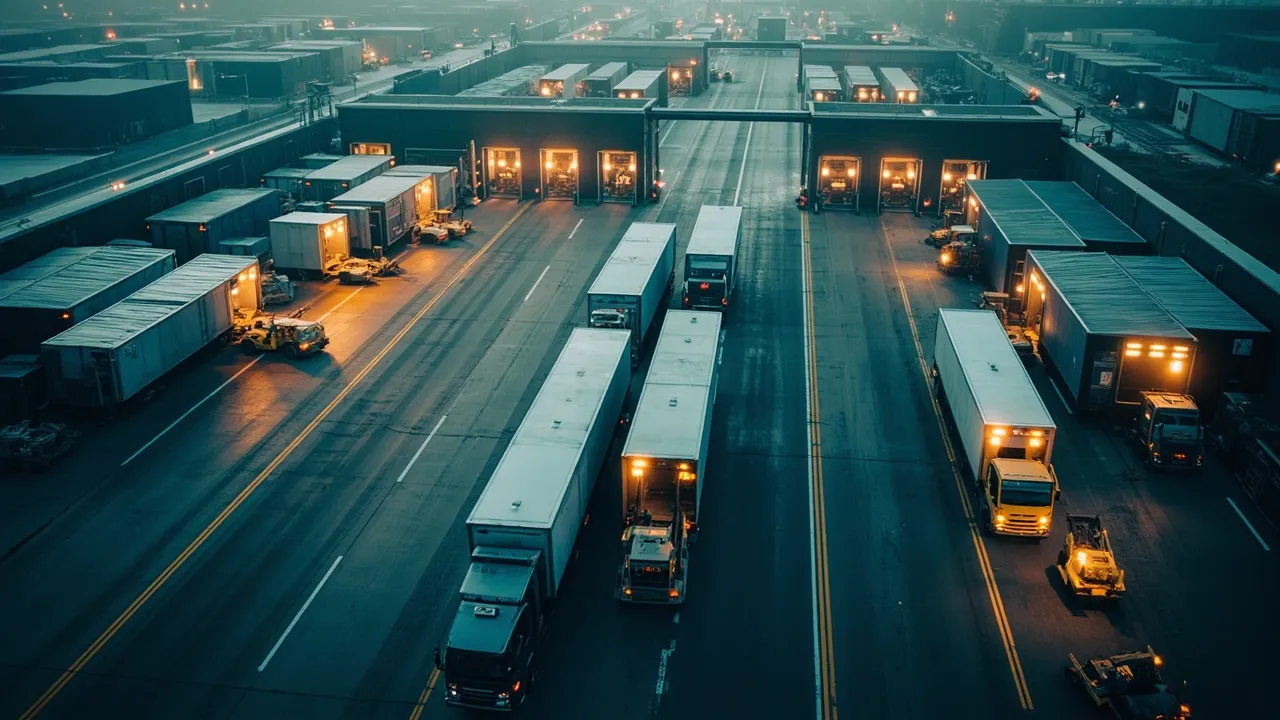
Dock and yard management used to be treated as a local warehouse problem: a clipboard at the guard shack, a spreadsheet for appointments, a whiteboard for doors, and a few experienced supervisors who knew how the day was supposed to work. That model is now too fragile for modern transportation networks.
The reason is simple. The yard sits between transportation planning and warehouse execution. When that handoff is slow, opaque, or manually managed, the damage shows up everywhere else: detention charges, missed delivery windows, idle drivers, unreliable carrier scorecards, overtime inside the building, and customer service teams explaining delays they could not see coming.
A 2026 dock and yard benchmark promoted by Logistics Management surveyed 149 supply chain and logistics professionals and found that manual inefficiencies are the No. 1 operational drag, cited by 40.3% of respondents. The same research says real-time yard visibility remains non-negotiable for 59.1% of respondents, while implementation quality is the top driver of software satisfaction at 55.7%.
That is a telling mix. The industry is not confused about the problem. It knows the friction lives in execution.
Yard blind spots become transportation failures
Dock and yard work looks operationally small until it breaks. A truck arrives early and waits because the appointment schedule was not updated. A trailer is dropped in the wrong spot and disappears from the working plan. A dock door sits blocked because the load status exists in someone's notebook, not in a system. A carrier is marked late when the real delay was a site bottleneck. None of those events feels strategic in isolation. Together, they distort the transportation network.
SupplyChainBrain reported that yard operations are moving into the spotlight because performance can vary widely by site, with inconsistent processes, reactive labor decisions, and limited accountability creating detention fees, overtime, safety incidents, and missed service commitments. The same report cites industry estimates that roughly 90% of yards still operate without dedicated management systems or consistent performance frameworks.
That number should make transportation leaders uncomfortable. If most yards are still managed without dedicated systems, then many routing guides, carrier scorecards, and service metrics are being fed by incomplete execution data. A carrier may look unreliable because a facility cannot load on time. A lane may look expensive because dwell is hidden until an invoice dispute arrives. A planner may tender to a backup carrier because the primary carrier's prior delay was really a dock capacity issue.
Manual yard management does not just slow the facility. It corrupts the signal transportation teams use to make decisions.
The cost is bigger than detention
Detention is the obvious pain point, but it is only the most visible line item. Manual dock and yard processes create at least five forms of transportation risk.
Appointment risk rises when slots live in email chains and spreadsheets, leaving transportation teams unsure whether a pickup or delivery time is confirmed, changed, or already at risk. Dwell risk grows when arrival, gate-in, dock assignment, unload start, completion, and departure timestamps are captured late or inconsistently. Capacity risk follows when drivers and trailers are tied up at facilities carriers learn to avoid or price aggressively. Service risk appears when a late unload misses a replenishment window, production slot, transload cutoff, or outbound connection. Data risk is the multiplier: bad manual updates produce unreliable carrier evaluations, weak labor plans, and customer communication that arrives too late.
This is why dock and yard management belongs in the transportation execution conversation. It is not merely a warehouse technology category. It is a source of truth for whether transportation plans are actually executable.
The practical improvement path
The fix does not have to start with a massive automation program. Most operators need a disciplined progression from visibility to workflow control.
1. Appointment visibility. Make dock appointments visible to transportation, warehouse, customer service, and carrier users from one shared record, including status, shipment reference, carrier, trailer number, expected arrival, and changes after booking.
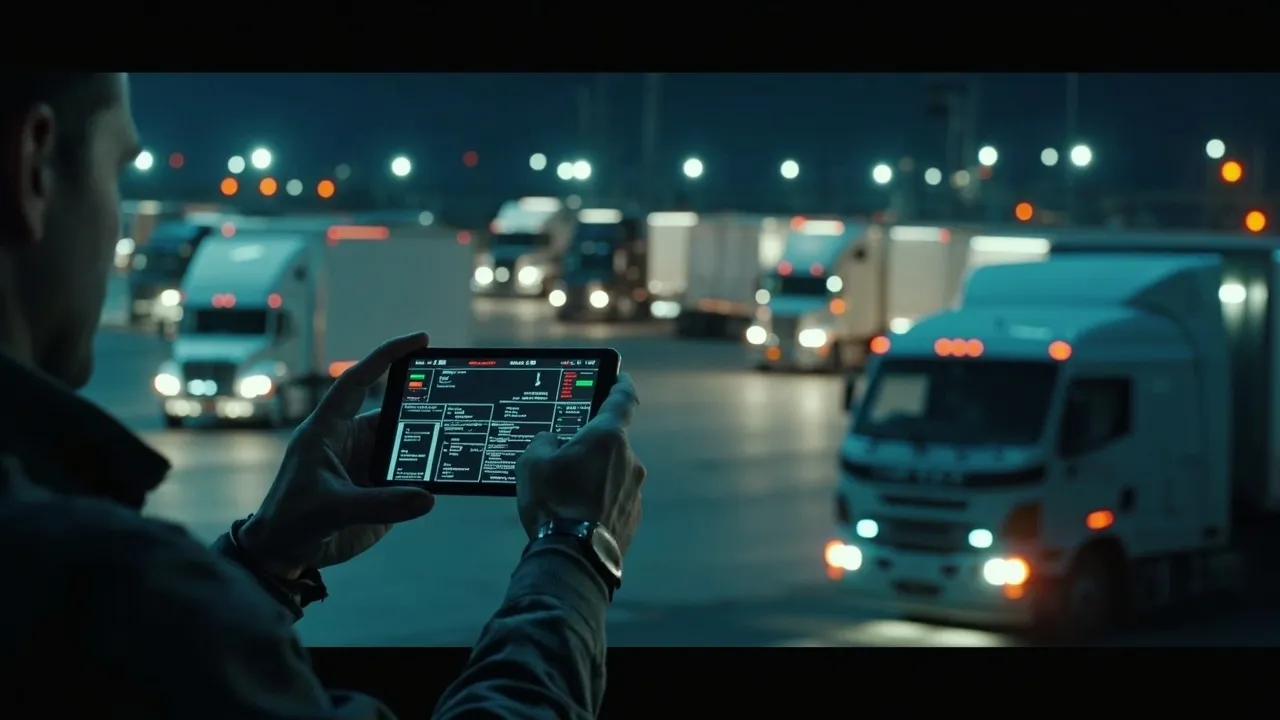
2. Live status updates. Capture gate, yard, and dock events as they happen. Arrival, check-in, door assignment, loading or unloading start, completion, and departure are transportation milestones, not after-the-rush spreadsheet chores.
3. Dwell alerts. Define thresholds by facility, carrier, load type, and appointment type. Alerts should warn teams while a delay can still be prevented, not after detention has accrued.
4. Carrier self-service. Let carriers confirm appointments, receive instructions, and check status without calling the dock office for every basic question.
5. TMS integration. Feed dock and yard signals into shipment execution so delayed pickups update ETA, customer communication, carrier scorecards, cost exposure, and facility performance reviews.
Implementation quality matters more than software labels
The Logistics Management benchmark finding that implementation quality drives software satisfaction is important. Yard tools fail when companies digitize messy processes without deciding who owns the workflow.
A good rollout should answer basic operating questions before configuration begins. Who can create and change appointments? Which statuses are mandatory? What triggers an exception? Who resolves dwell disputes? How are carriers notified? Which events update the TMS? What reports distinguish carrier-caused delays from facility-caused delays?
Those decisions are not glamorous, but they are the difference between another dashboard and an execution system.
The Gartner pressure described by Logistics Management applies here as well: supply chain leaders are being asked to keep goods moving and costs under control today while preparing for more AI-driven operations tomorrow. The practical answer is not to wait for a perfect future state. It is to clean up the execution signals that automation will eventually depend on.
If yard status is wrong, AI will confidently optimize bad assumptions. If appointment data is late, exception workflows will fire too late. If dwell ownership is unclear, automation will accelerate finger-pointing instead of resolution.
Where CXTMS fits
For freight forwarders and logistics operators, dock and yard visibility matters because shipment execution does not end when a truck is tendered. The work continues through appointment scheduling, pickup readiness, facility dwell, milestone updates, accessorial exposure, customer communication, and final cost reconciliation.
CXTMS is built to connect those execution points. When dock and yard data flows into transportation workflows, teams can see which shipments are at risk, which carriers are waiting, which facilities are creating repeat problems, and which customers need proactive updates. That turns yard management from a local firefighting exercise into a transportation planning signal.
Manual dock and yard management is not quaint anymore. It is expensive, opaque, and risky. The companies that fix it will not just reduce detention. They will make their transportation networks more predictable.
Ready to bring dock, yard, and shipment execution into one operating flow? Schedule a CXTMS demo to see how CXTMS helps freight teams manage visibility, exceptions, costs, and customer communication from plan to proof of delivery.