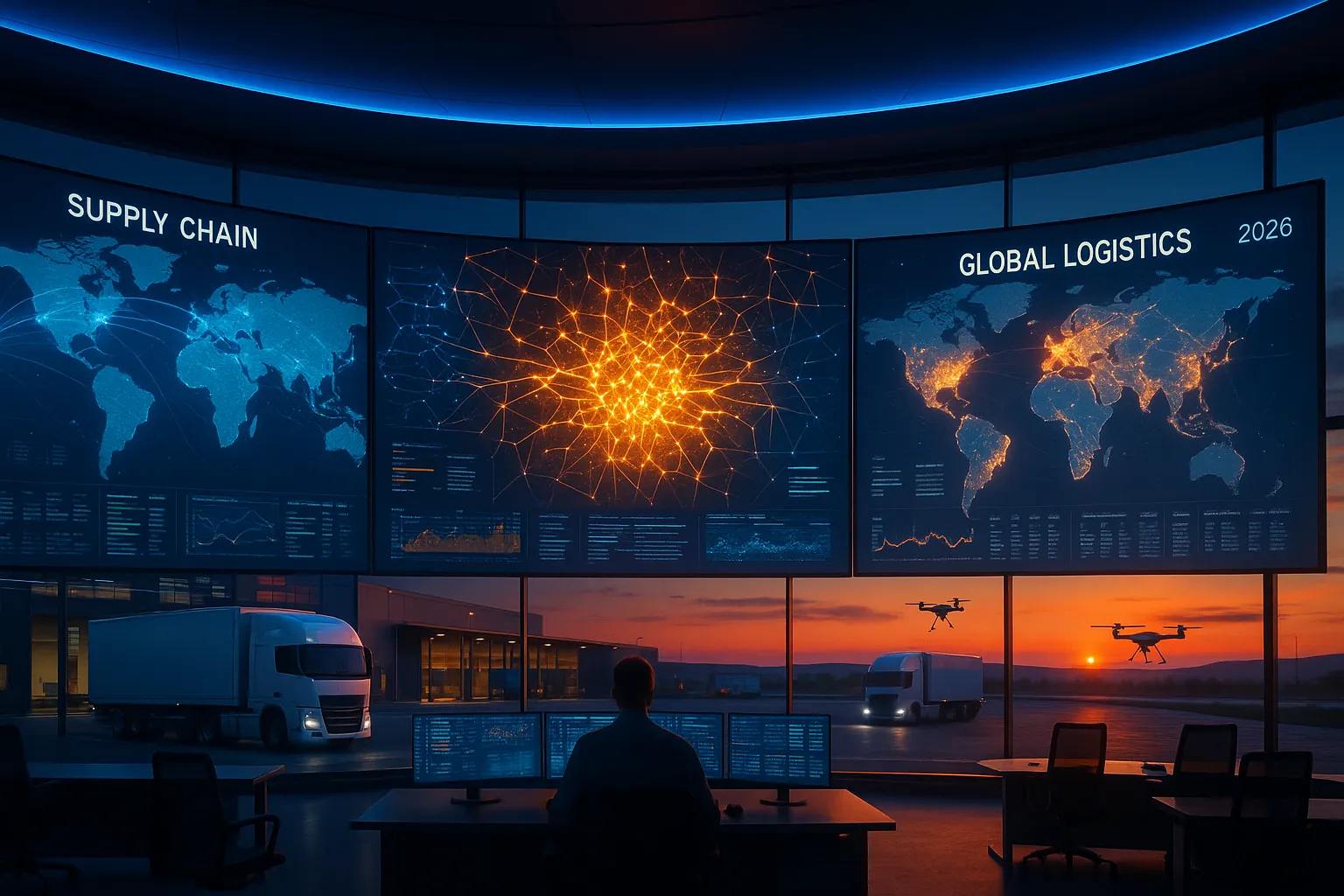
P&G’s Supply Chain 3.0 Rollout Shows Why Integration Beats Automation Theater

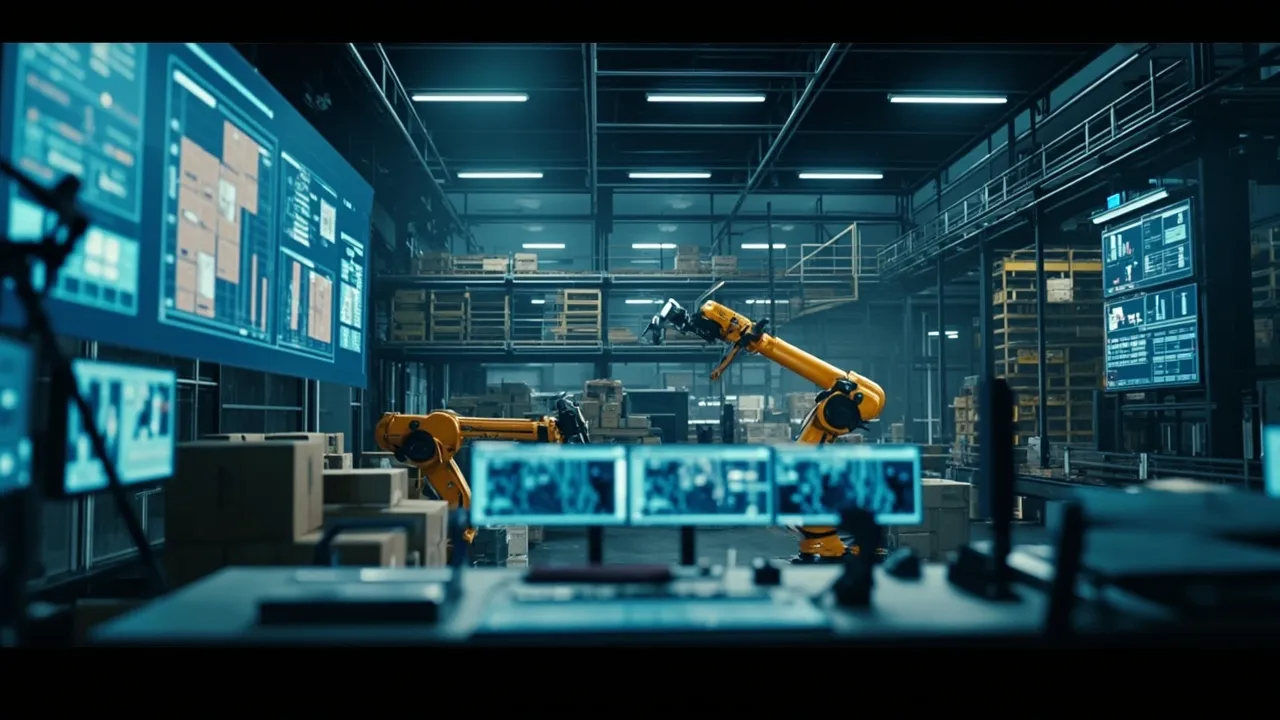
Automation gets the headlines. Integration gets the savings.
That is the lesson logistics teams should take from Procter & Gamble’s Supply Chain 3.0 rollout. According to Supply Chain Dive, P&G has moved the initiative into full companywide scaling after years of building the underlying platforms and capabilities. The headline number is large: the consumer goods giant is targeting up to $1.5 billion in gross cost-of-goods-sold savings from Supply Chain 3.0.
But the more useful takeaway is not “buy more robots.” It is that automation only becomes powerful when it is connected to the operating model around it: customer orders, production planning, material ordering, sourcing flexibility, inventory positioning, and transportation execution.
That matters for freight forwarders, 3PLs, and logistics teams because many technology programs still begin in the wrong place. A company buys a warehouse automation module, launches a planning tool, pilots AI for exception summaries, or adds a dashboard for shipment visibility. Each project may work locally. The network still underperforms because the handoffs between systems remain slow, manual, and opaque.
P&G’s example points in a better direction: build the connective tissue first, then scale automation through it.
Supply Chain 3.0 is not just a robotics story
Supply Chain Dive reports that P&G’s initiative is designed to create “more complete systems integration from customer order to production planning and material ordering.” That phrase deserves more attention than the productivity statistics, because it explains why the program can scale.
Yes, the company is deploying automation in warehouses and manufacturing plants. It expects savings from systems that load and unload finished products, packaging, and raw materials even when warehouses are unstaffed. It has discussed warehouse technology that can increase density by 50% and deliver two to three times more throughput. It has also piloted four-hour night shifts in Berlin run entirely through automation and robotics, with automated shifts delivering 15% to 60% productivity improvement.
Those are serious operational gains. But they are not isolated tricks. If a warehouse can increase throughput but production planning does not see updated demand signals, the bottleneck simply moves. If procurement qualifies alternate suppliers faster but transportation cannot replan capacity, lead times still stretch. If manufacturing can run unattended shifts but finished-goods allocation is disconnected from customer priority, service levels remain fragile.
That is why P&G’s integration from order to planning to materials is the real story. The robots are the visible layer. The operating system underneath is what makes the economics work.
The market is moving from digitized records to executable decisions
This shift is broader than one CPG manufacturer. Logistics Management’s recent analysis of the maturing digital supply chain notes that companies are using AI to slot inventory, predict demand, direct picking, adjust logistics plans, and reroute freight as real-world conditions change. It also cites McKinsey findings that nearly 80% of U.S. companies faced some type of supply chain disruption in 2025, up from 33% in 2024.
That kind of volatility punishes fragmented technology stacks. When demand changes, labor availability shifts, inbound freight misses a dock window, or a supplier delay threatens production, the winning system is not the one with the prettiest dashboard. It is the one that can translate signals into action before the disruption cascades downstream.
Logistics Management also reports that only about 19% of companies are currently deploying AI tools at scale, while roughly 40% are deploying advanced planning and scheduling systems. That gap is telling. Most organizations are not ready for fully autonomous supply chain management, and pretending otherwise is automation theater. They need cleaner data, consistent processes, trusted decision rules, and connected execution workflows.
In transportation, this means an exception should not die in an email thread. A delayed inbound container should update the purchase order, receiving appointment, drayage plan, customer promise date, and downstream transfer plan. A production schedule change should trigger capacity checks on affected lanes before the shipment becomes urgent. A material substitution should update compliance documents, customs data, and carrier instructions without forcing teams to rekey information.
That is integration. That is also where the money is.
What logistics teams should copy from P&G
Most freight organizations do not have P&G’s budget, footprint, or implementation timeline. They do have the same basic problem: too many decisions are made with partial context.
A practical version of Supply Chain 3.0 for logistics teams starts with four disciplines.
First, connect planning and transportation earlier. Transportation should not be the last team to learn that demand shifted or production moved. Lane capacity, transit time, appointment constraints, and cost exposure should inform the plan while it is still changeable.
Second, make procurement and carrier data usable at execution speed. Supplier lead times, carrier performance, contract rates, accessorial rules, equipment limits, and service history should feed tendering decisions automatically. If that information lives in spreadsheets, the organization is not integrated; it is merely digitized around the edges.
Third, treat inventory signals as transportation signals. Stockouts, excess inventory, allocation changes, and regional buffer decisions all create freight consequences. When inventory visibility is disconnected from shipment planning, teams overuse expediting, miss consolidation opportunities, and create avoidable customer escalations.
Fourth, define exception ownership before adding more automation. A system can flag that a shipment is late, a carrier declined, a dock slot is unavailable, or a material order slipped. Someone still needs clear authority to choose the next action. Without rules for ownership, automation just produces faster alerts that nobody resolves.
Why transportation execution is the missing layer
For CPG and logistics organizations, transportation is where integrated planning becomes customer reality. A forecast, purchase order, production schedule, or inventory allocation only matters if goods move through the network at the right cost and service level.
That is where a transportation execution platform such as CXTMS fits. The point is not to replace ERP, WMS, procurement, or planning systems. The point is to connect their signals to the freight decisions that determine whether the plan survives contact with the real world.
In an integrated operating model, CXTMS can help teams turn shipment data, carrier options, milestone updates, documentation, and cost visibility into repeatable workflows. Tendering is informed by lane rules and service history. Exceptions are routed to the right owner. Customers receive cleaner updates. Finance sees transportation cost exposure before month-end. Operations can react to disruptions without rebuilding the plan manually every time.
P&G’s Supply Chain 3.0 rollout is a useful reminder that automation is not the strategy. Automation is the accelerator. The strategy is an integrated supply chain where planning, procurement, inventory, production, and transportation work from the same playbook.
Companies that understand that distinction will get leverage from technology. Companies that do not will keep buying impressive tools and wondering why the network still feels manual.
Ready to connect transportation execution to the rest of your logistics operation? Request a CXTMS demo and see how integrated freight workflows can turn supply chain signals into better shipment decisions.