Cross-Border LTL Goes Digital: How US-Mexico Freight Partnerships Are Modernizing North American Trade Lanes

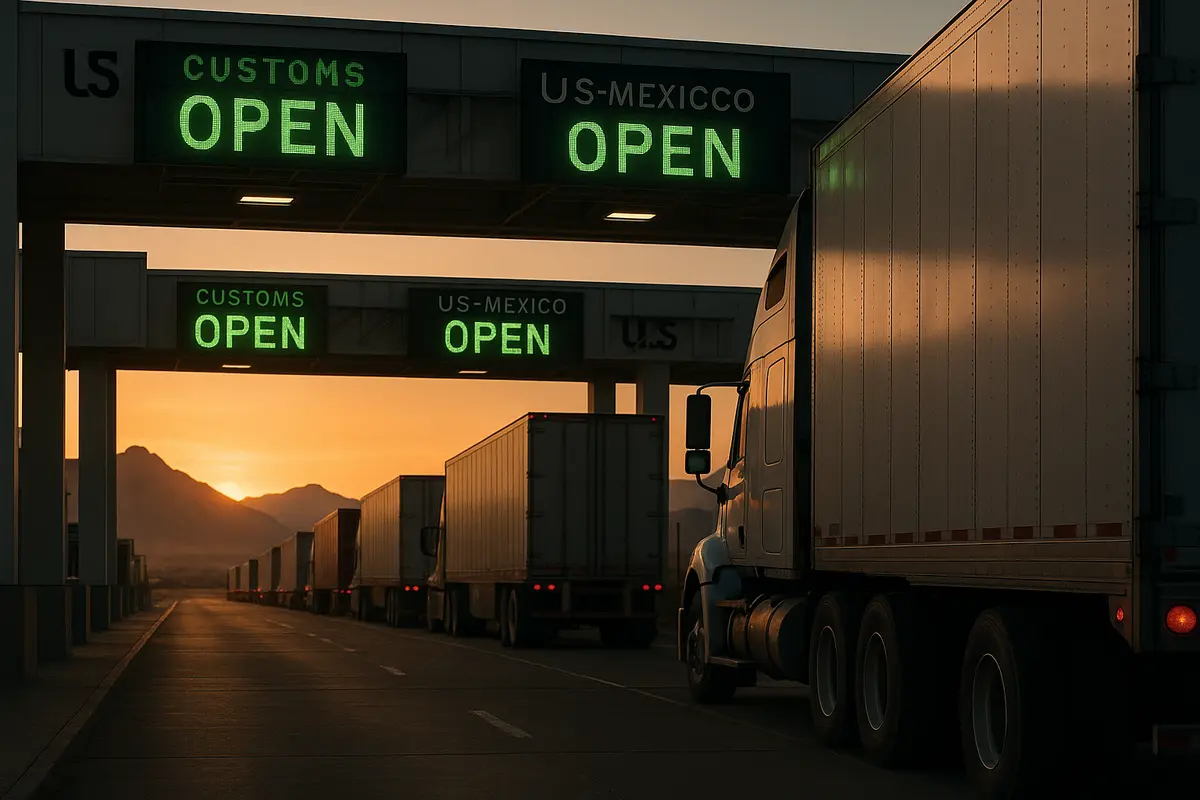
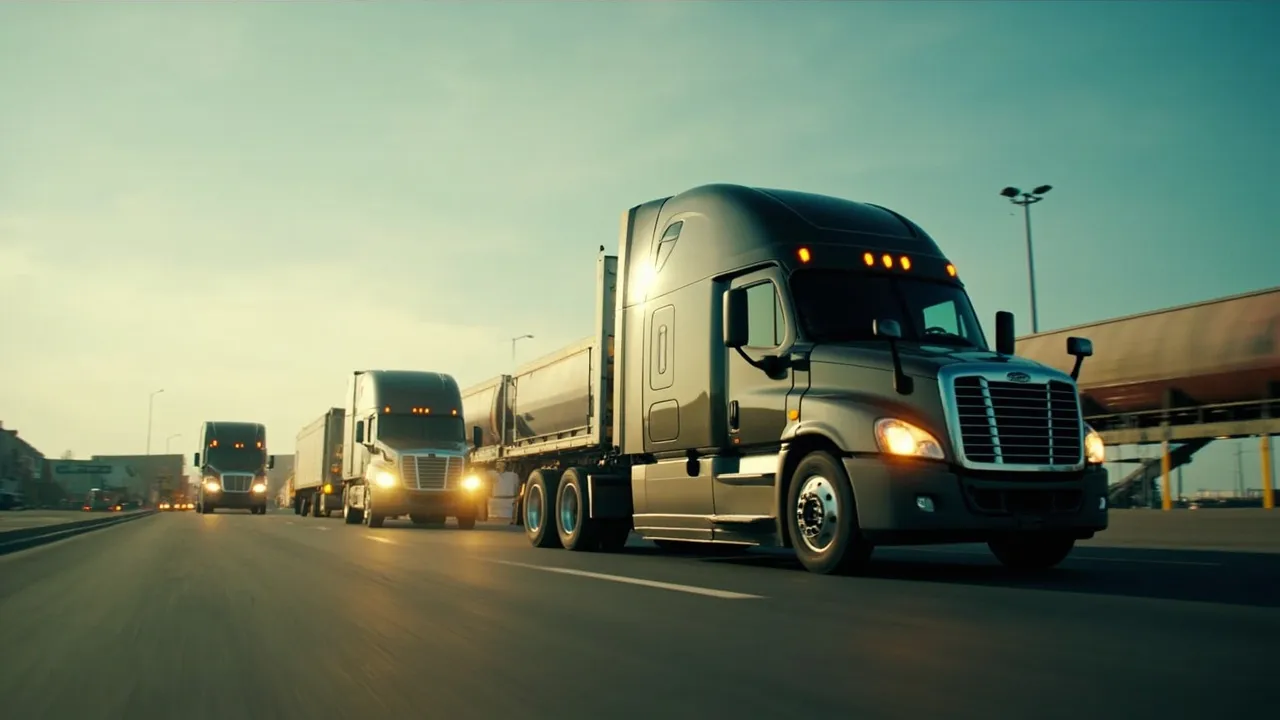
The US-Mexico trade corridor — now worth over $653 billion through the first nine months of 2025 alone — is the busiest bilateral freight lane on the planet. Yet for decades, cross-border less-than-truckload shipments have been stuck in an analog era of paper bills of lading, faxed customs documents, and black-hole visibility gaps the moment a truck crosses the Rio Grande.
That's finally changing. A wave of digital freight partnerships between US and Mexican LTL carriers is bringing real-time tracking, electronic customs pre-clearance, and integrated technology platforms to what has long been North American logistics' most painful friction point.
The Partnership That Signals a Shift
In January 2026, Southeastern Freight Lines announced a strategic partnership with Fletes México Carga Express — one of Mexico's largest LTL providers with 10 terminals and roughly 1,150 trucks. The deal brings door-to-door LTL service across the border with real-time rate quoting, end-to-end shipment tracking, and dedicated teams in Laredo, Texas, and Nuevo Laredo, Mexico, coordinating customs documentation.
This isn't an isolated move. It reflects a broader pattern of US regional carriers recognizing that the $114 billion US LTL market can no longer ignore the fastest-growing trade partner on its doorstep. Mexico surpassed both Canada and China as America's largest trading partner, and cross-border LTL volumes are following the manufacturing capacity pouring into Mexican industrial corridors from Monterrey to Guadalajara.
Why Cross-Border LTL Has Been Stuck in the Past
Anyone who has shipped LTL across the US-Mexico border knows the pain points intimately:
Dual customs regimes. Every shipment requires documentation for both US Customs and Border Protection and Mexico's SAT (Servicio de Administración Tributaria). Different formats, different systems, different timelines — and a single documentation error can mean days of dwell time at the border.
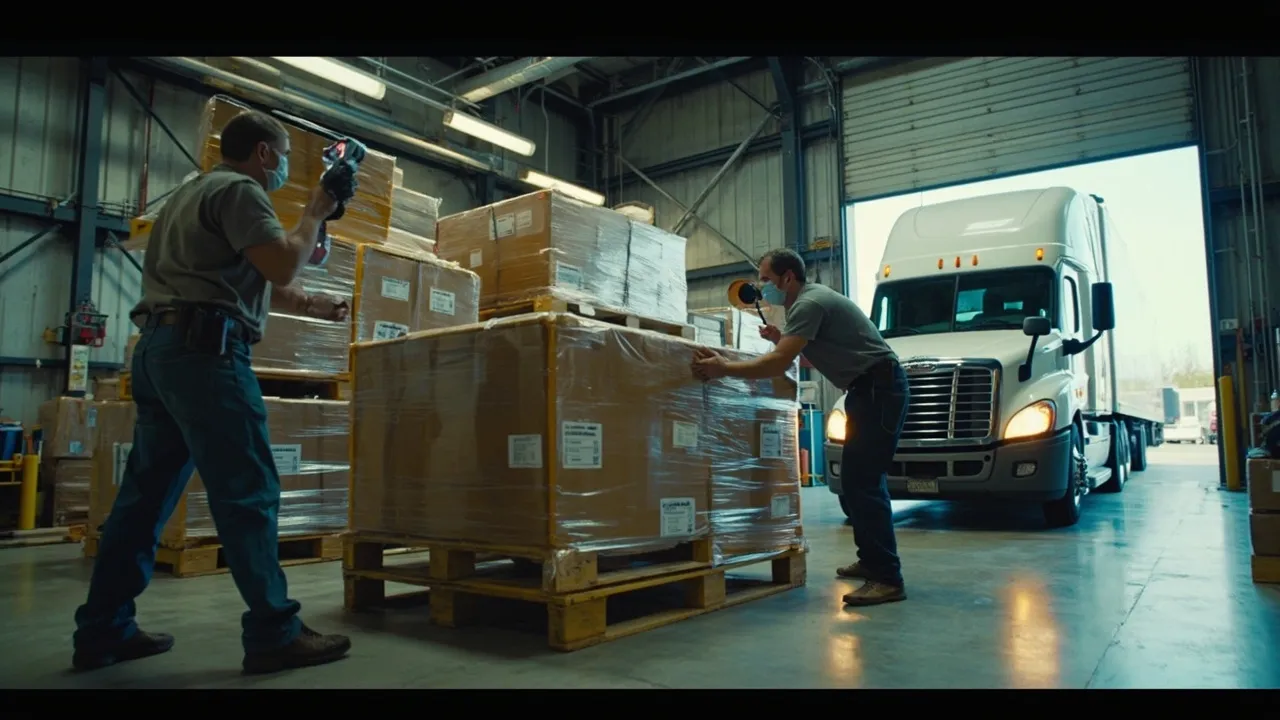
Paper-based handoffs. Traditional cross-border LTL involves a US carrier dropping freight at a border warehouse, a customs broker manually processing paperwork, and a separate Mexican carrier picking up on the other side. Each handoff is a visibility gap and a delay risk.
No unified tracking. Shippers could track their freight on the US side, lose visibility entirely during the border crossing, and maybe — if they were lucky — get manual status updates from the Mexican carrier. For time-sensitive LTL shipments, this opacity is unacceptable.
Fragmented pricing. Getting an all-in rate for a cross-border LTL shipment historically required multiple phone calls, separate quotes from each carrier, customs broker fees, and drayage charges — often totaling 30-40% more than equivalent domestic moves over similar distances.
Mexico's 2026 Customs Law Reform: A Digital Catalyst
The timing of these digital partnerships is no accident. On January 1, 2026, Mexico's comprehensive Customs Law reform took effect — the most significant overhaul since 1995. The reform introduces a digital, predictive, and continuous supervision model that fundamentally changes how freight moves across the border.
Key provisions driving LTL digitization include:
- Mandatory Carta Porte compliance: Every domestic movement of foreign goods in Mexico now requires a Digital Tax Invoice (CFDI) with the Complemento Carta Porte, detailing vehicle, route, driver, and cargo information. Shipments without it face seizure.
- Enhanced digital monitoring: Mexican customs authorities now conduct real-time auditing of import and export operations, requiring carriers and brokers to maintain electronic traceability throughout the supply chain.
- Stricter documentation requirements: Higher penalties for non-compliance are pushing both carriers and shippers toward integrated digital platforms that can automatically generate compliant documentation.
For cross-border LTL carriers, this reform eliminates the option of doing things the old way. Paper-based processes that might have worked (slowly) before 2026 now risk cargo seizures and substantial fines. Digital integration isn't a competitive advantage anymore — it's a survival requirement.
What Digital Cross-Border LTL Actually Looks Like
The new generation of cross-border LTL partnerships is built on technology integration that would have seemed futuristic five years ago:
Unified tracking platforms. Shipments are visible from origin dock to final destination across both carriers' networks. The Southeastern-Fletes México partnership specifically highlights end-to-end visibility as a core feature, with integrated technology platforms connecting both carriers' TMS systems.
Electronic customs pre-clearance. Rather than waiting for physical inspection at the border, documentation is submitted electronically before the truck arrives. Dedicated cross-border teams review paperwork in advance, identifying and resolving issues before they cause delays.
Real-time rate quoting. Shippers get instant all-in pricing for cross-border moves instead of waiting days for manual quotes from multiple parties. This transparency is transforming how companies plan and budget their Mexico freight spend.
Coordinated last-mile delivery. Mexican LTL networks like Fletes México Carga Express offer last-mile and half-mile services that mirror US carrier capabilities, enabling true door-to-door service without the traditional patchwork of subcontractors.
The Nearshoring Tailwind
These digital partnerships are arriving just as nearshoring accelerates demand for reliable US-Mexico freight. Manufacturing investment in Mexico continues to surge as companies diversify away from China-dependent supply chains. Automotive, consumer electronics, aerospace, and e-commerce fulfillment operations are all expanding in Mexican industrial corridors.
The challenge is that cross-border LTL infrastructure hasn't kept pace with this growth. Border crossing wait times at major gateways like Laredo-Nuevo Laredo and El Paso-Ciudad Juárez can still stretch to hours during peak periods. Digital pre-clearance and coordinated carrier operations are the most effective tools for reducing these bottlenecks without building new physical infrastructure.
What Shippers Should Do Now
For logistics teams managing US-Mexico LTL freight, the digitization wave creates both opportunities and action items:
-
Evaluate integrated cross-border carriers. Partnerships like Southeastern-Fletes México offer single-provider accountability for cross-border moves. Compare their service levels and pricing against your current multi-party arrangements.
-
Audit Carta Porte compliance. Mexico's 2026 customs reform has teeth. Ensure your Mexican carriers and brokers are generating compliant CFDI documentation for every shipment.
-
Demand end-to-end visibility. If your current cross-border setup has visibility gaps at the border, you're operating with unnecessary risk. Unified tracking should be a baseline requirement for any carrier partnership.
-
Integrate cross-border data into your TMS. The real value of digital cross-border LTL comes when shipment data flows automatically into your transportation management system, enabling holistic optimization across domestic and international moves.
-
Plan for volume growth. If your company is part of the nearshoring wave, lock in cross-border carrier capacity now. Digital LTL partnerships are still relatively new, and the best carriers will fill capacity quickly as demand grows.
Building Smarter Cross-Border Operations
The digitization of US-Mexico cross-border LTL isn't just a technology story — it's a structural shift in how North America's most important trade corridor operates. Carriers that invest in integrated platforms, electronic customs compliance, and real-time visibility will capture the growing nearshoring freight market. Those that don't will find themselves increasingly marginalized.
For shippers, the message is clear: the tools to eliminate cross-border friction are finally here. The question is whether your logistics operation is ready to use them.
Managing cross-border freight complexity? Contact CXTMS to see how our platform streamlines US-Mexico shipment management, customs documentation, and end-to-end visibility across North American trade lanes.