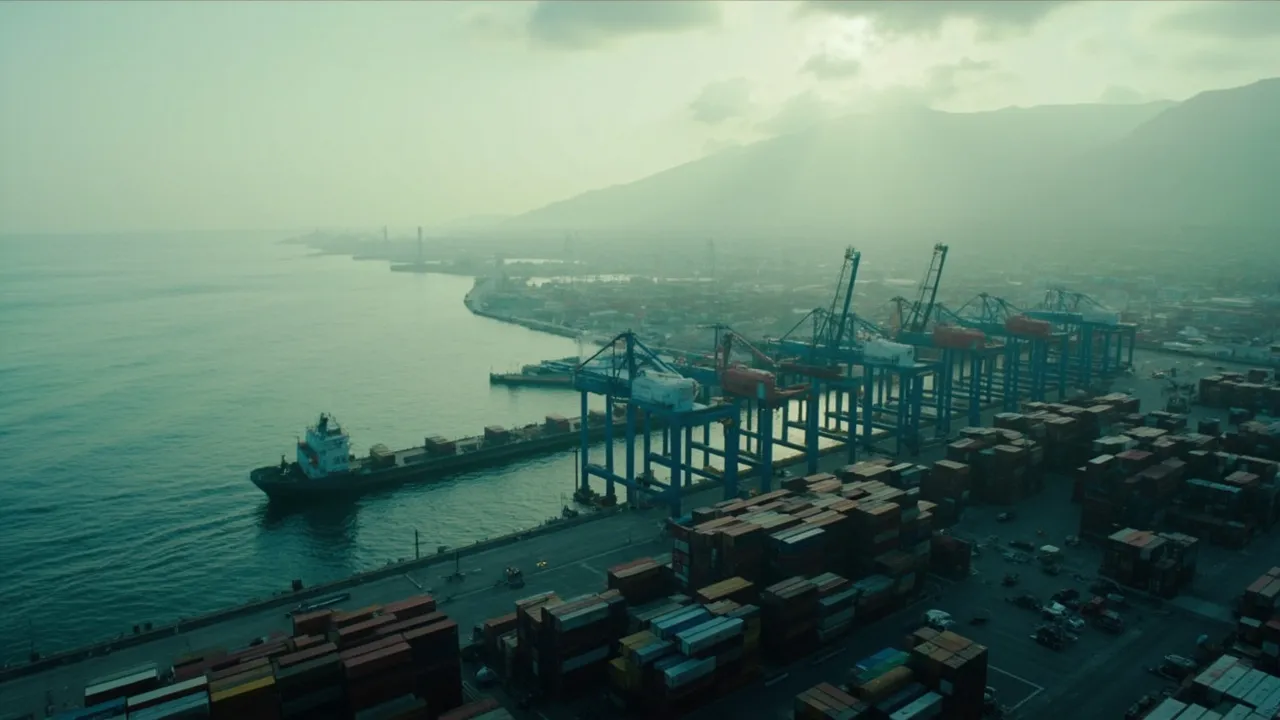
Canada’s Port Productivity Gap Is Becoming a Trade Diversification Bottleneck

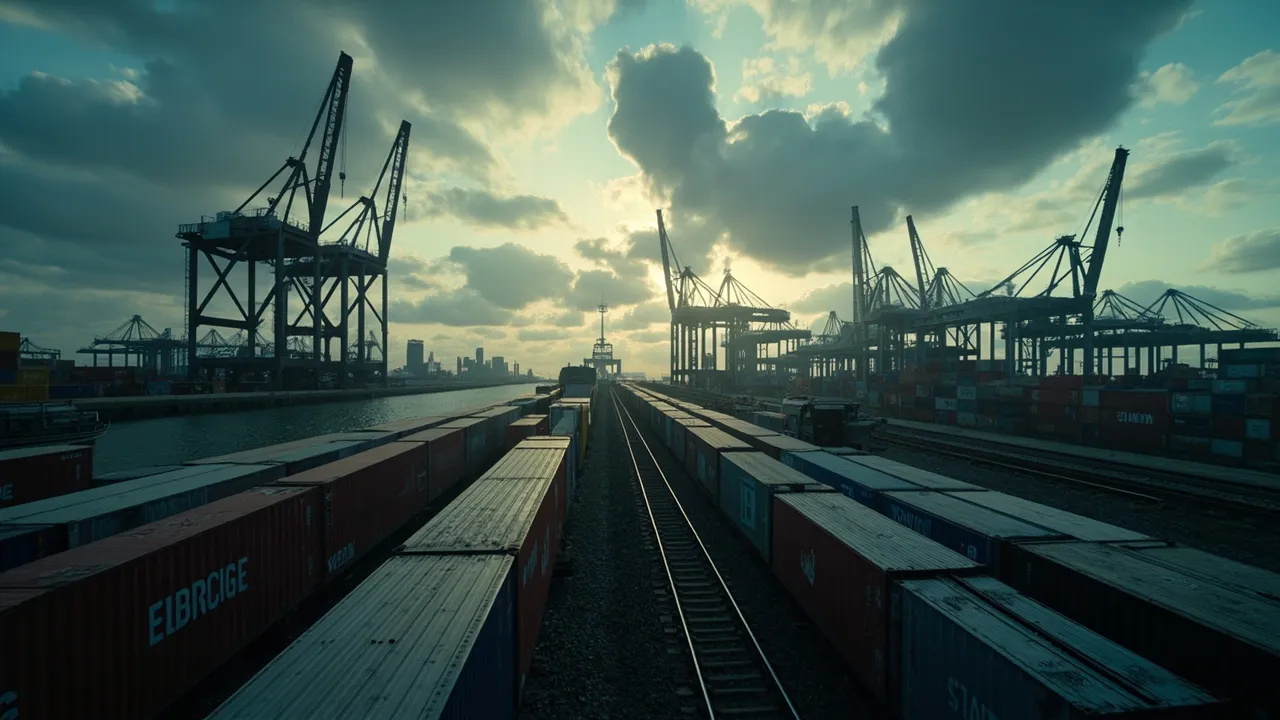
Canada’s trade diversification strategy has a logistics problem sitting in plain sight: the country cannot materially expand non-U.S. exports unless its ports and inland corridors can move freight faster, more reliably, and with more redundancy.
Prime Minister Mark Carney put it bluntly. Supply Chain Brain reported that Carney said Canada has “fallen way behind” in the productivity of its ports and trade corridors, citing long inland transit times, limited port capacity, and insufficient rail connections. That is not just political rhetoric. It is a freight-network warning.
The data point behind the warning is stark. According to the same report, research from Canada’s central bank found that Canadian ports became less directly connected to global shipping networks between 2016 and 2023. Canada also fell from 6th to 23rd globally in total deadweight tonnage ranking during that period, while 10 other countries in the top 20 doubled their overall deadweight tonnage. The operational stakes are consistent with McKinsey’s analysis of supply chain rebalancing: diversification only works when companies redesign the physical network, not just the sourcing strategy.
That kind of relative decline matters because port competitiveness is not measured only by berth count or crane height. It is measured by the ship calls a gateway can attract, the inland velocity it can sustain, the reliability of rail and truck handoffs, and the confidence exporters have that cargo will meet vessel cutoffs without heroic intervention.
Diversification depends on physical throughput
Canada’s policy objective is ambitious: reduce dependence on the U.S. market and double the value of non-U.S. exports by 2035. Supply Chain Brain reported that before 2025, more than three-quarters of Canadian exports went to the United States, with about 20% of Canadian economic output tied to trade with its southern neighbor. Carney’s diversification target would add roughly $220 billion in new orders for Canadian goods and services outside the U.S.
That plan lives or dies on freight execution. New overseas buyers do not just require sales contracts. They require container availability, terminal appointments, customs readiness, rail service, inland drayage capacity, cold-chain options where relevant, and predictable dwell. If the physical network cannot absorb additional export volume, diversification becomes a boardroom slogan instead of a logistics reality.
The problem is especially sharp because Canada’s geography forces freight through long corridors. Production, agriculture, energy, mining, and manufacturing assets are spread across enormous distances. Ports such as Vancouver, Prince Rupert, Montreal, Halifax, and Saint John are not interchangeable plugs in a spreadsheet. Each has different ocean services, rail geometry, terminal capacity, weather exposure, labor dynamics, and inland catchment areas.
For shippers, that means trade diversification should not start with the question, “Which country should we sell to?” It should start with, “Which corridor can reliably execute the promise?”
Port productivity is an inland problem too
Ports often get blamed for congestion because the delay is visible at the waterfront. But many port failures are really corridor failures. A terminal can discharge containers efficiently and still become a bottleneck if railcar supply is thin, inland ramps are congested, appointments are missed, or export cargo arrives out of sequence.
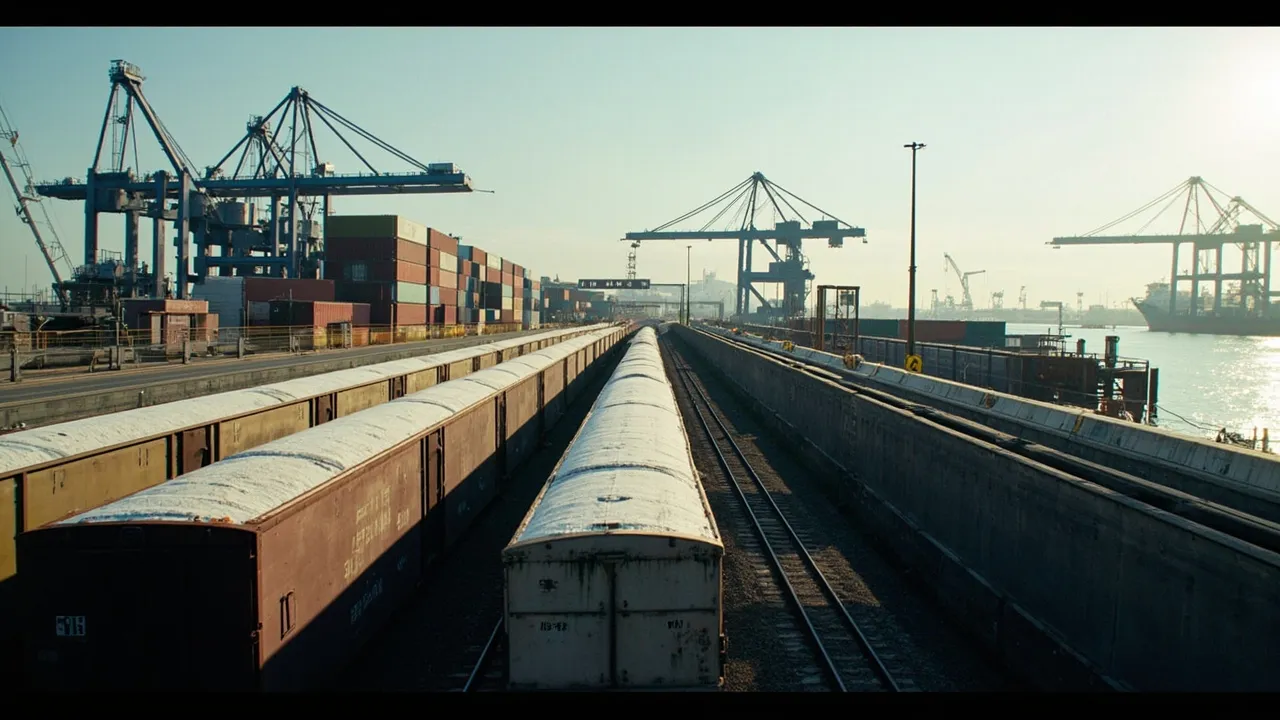
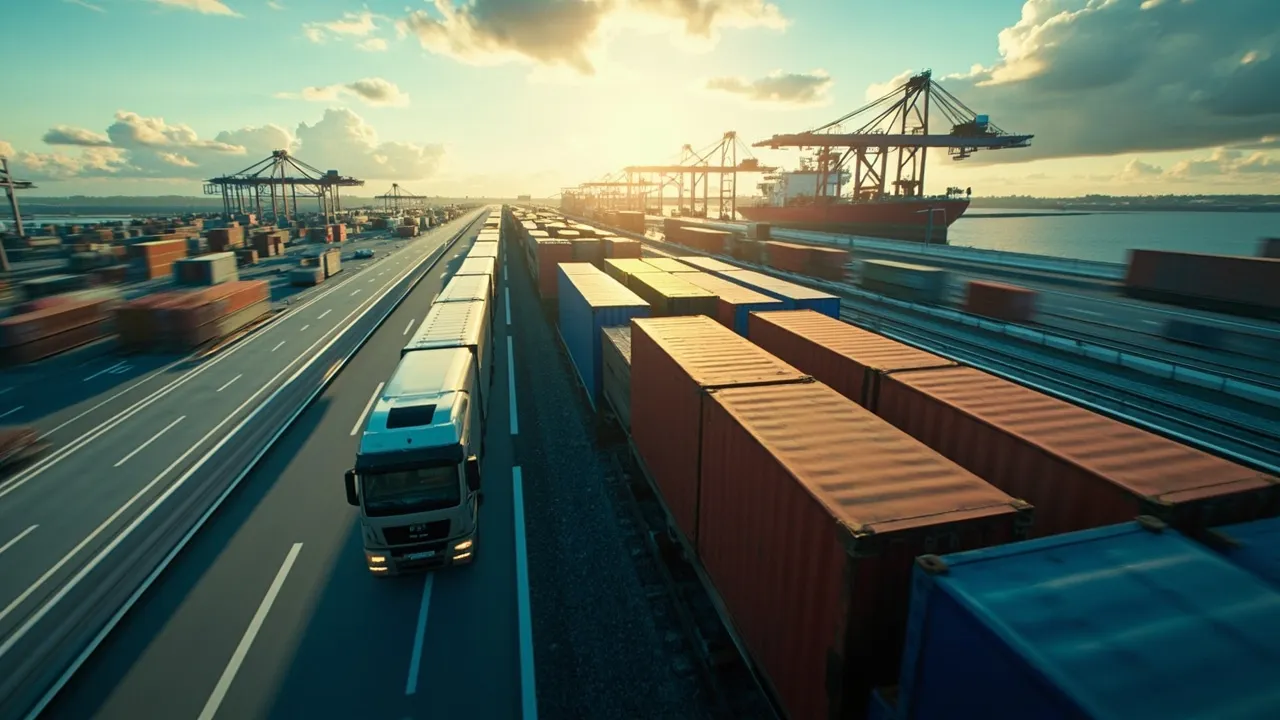
Carney’s comments about rail connections are the right place to focus. For Canadian exporters, port productivity is inseparable from rail velocity. Grain, forest products, minerals, chemicals, machinery, food products, and consumer goods all depend on synchronized inland movement. When rail handoffs slow, the terminal becomes a parking lot. When terminal dwell rises, vessel schedules and cutoff reliability suffer. When schedules become unreliable, exporters pay with buffers, penalties, expedited moves, or lost confidence from overseas customers.
The deadweight-tonnage ranking decline is important because it points to connectivity, not just domestic congestion. If fewer or smaller vessel services call directly, cargo may need transshipment, longer routings, or less favorable sailing schedules. That adds variability before the shipment even reaches inland execution.
What North American shippers should watch
Shippers moving through Canadian gateways should treat this as a planning signal, not a crisis headline. The immediate task is to monitor corridor health with lane-level discipline.
First, watch terminal dwell by gateway and cargo type. Average dwell can hide export-specific pain, refrigerated constraints, project-cargo delays, or rail-dependent container queues. The useful measure is not simply “days at port.” It is dwell against promised sailing, rail cutoff, customer delivery date, and inventory buffer.
Second, track rail handoff reliability. Rail departure consistency, loaded export container availability, intermodal ramp performance, and exception frequency matter more than broad service narratives. A corridor with slightly longer planned transit but tighter variability may beat a nominally faster option with repeated recovery moves.
Third, model alternative gateways before they are needed. Vancouver might be the obvious Pacific option for some lanes, but Prince Rupert, eastern Canadian ports, or U.S. gateways may create better resilience depending on origin, destination, cargo type, and carrier service. The right answer will change by season, commodity, and vessel network.
Fourth, quantify corridor redundancy. A shipper that depends on one rail route, one port, one forwarder handoff, and one sailing string has low optionality even if today’s rate looks attractive. Diversification should include backup capacity, prequalified providers, customs documentation readiness, and decision rules for when to reroute.
The TMS layer has to connect policy to execution
The strategic story is about Canada’s place in global trade. The operational story is about whether logistics teams can see bottlenecks early enough to act.
For exporters and importers, that requires a transportation management system that treats ports and corridors as live execution networks, not static nodes. Bookings, terminal events, rail milestones, customs status, appointment data, carrier commitments, and exception workflows need to sit in one operating layer. Otherwise the first clear signal of corridor stress may be a missed cutoff or a customer asking why cargo has not moved.
This is also where North American shippers should be careful with averages. A national port productivity debate does not tell a manufacturer whether one lane is safe this week. Corridor management needs shipment-level evidence: dwell trends, handoff delays, missed appointments, rolled cargo, detention exposure, and alternative-route cost.
Canada’s port productivity gap will not be solved by software alone. It needs physical capacity, terminal performance, rail investment, labor reliability, and policy coordination. But shippers cannot wait for infrastructure to catch up before managing risk.
The practical move is to build corridor optionality now: know which lanes depend on Canadian gateways, which customers are exposed to schedule variability, which routes have viable backups, and which costs appear when the preferred plan breaks.
CXTMS helps logistics teams turn port and corridor volatility into managed execution: multimodal visibility, exception workflows, carrier and rail milestone tracking, alternate-routing analysis, and shipment-level cost control in one platform. If your trade-corridor plan still depends on static routing guides and after-the-fact status checks, schedule a CXTMS demo and make corridor resilience measurable before the next bottleneck decides for you.