Georgia Ports’ 14% April Drop Shows Why Inland Port Strategy Matters When Demand Softens

Port volume declines are easy to misread. When a major gateway reports a double-digit drop, the instinct is to treat infrastructure spending as mistimed optimism. Georgia Ports Authority is showing the opposite lesson: softer demand is exactly when port networks should harden the inland connections that will matter when freight returns.
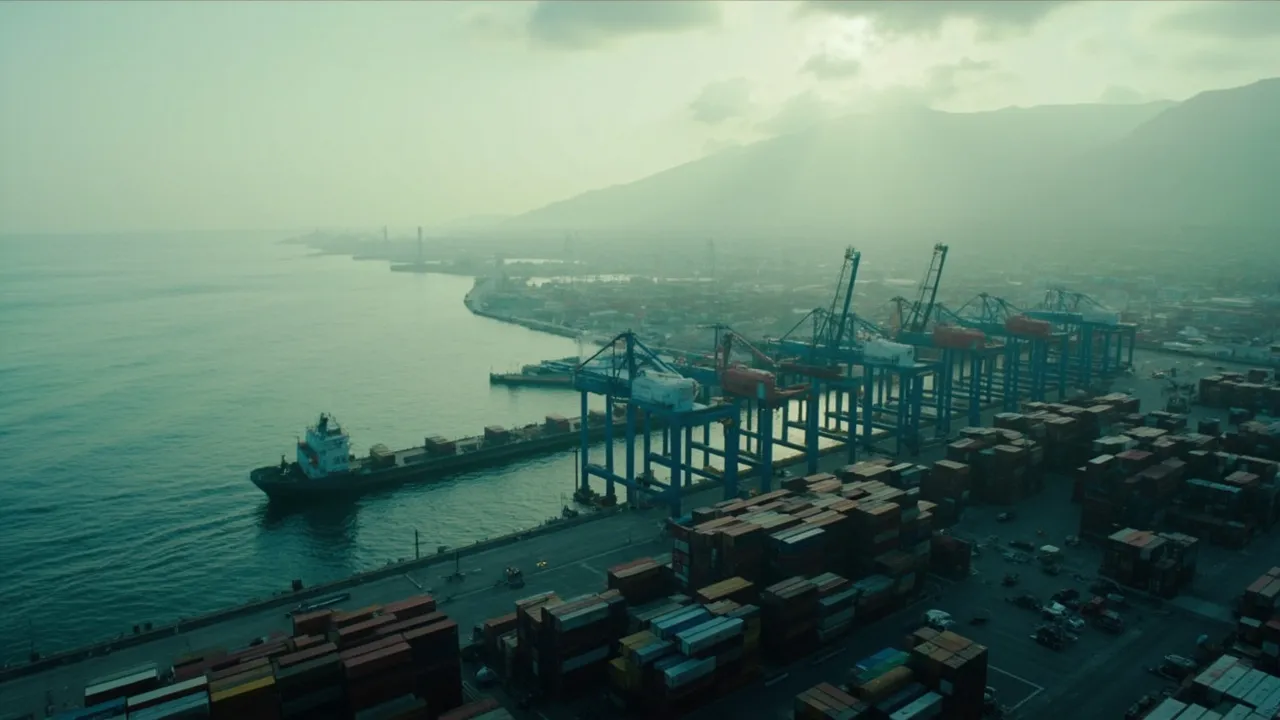
According to FreightWaves, the Port of Savannah handled 443,650 TEUs in April, down 14% year over year from an unusually strong April 2025 that was inflated by tariff-driven frontloading. For the July-April fiscal year to date, Savannah processed about 4.7 million TEUs, down 2.5%, or 118,422 TEUs, from the prior period.
Those are not panic numbers. They are normalization numbers in a market where shippers are still absorbing higher operating costs, uncertain tariff exposure, cautious consumer demand, and uneven inventory positions. The more interesting signal is what Georgia Ports is doing while volumes soften: continuing a 10-year, $5 billion investment plan that includes five new container berths in Savannah, roll-on/roll-off expansion in Brunswick, Ocean Terminal upgrades, and the newly opened Gainesville Inland Port.
That matters because freight networks are not built for the month they open. They are built for the next demand swing.
The real story is not April. It is optionality.
Savannah’s April decline came after last year’s tariff frontloading distorted the comparison. That context matters. A 14% year-over-year drop sounds severe, but the benchmark was the busiest April on record. The better operational question is whether shippers now have more routing options, fewer choke points, and better ways to rebalance containers when demand becomes less predictable.
Georgia Ports President and CEO Griff Lynch framed the strategy plainly in the FreightWaves report: customers are managing through a softer market with higher operating costs, while GPA remains focused on delivering long-term capacity so it can absorb growth when the market changes.
That is the right posture. Ports that pause every capacity project during downturns end up buying congestion at the worst possible time. By the time demand is visibly back, berths, gates, rail yards, and inland terminals cannot be built fast enough.
For freight forwarders, this is the planning lesson: port selection should not be based only on today’s vessel calls and drayage rates. It should also reflect how much room the gateway has to flex when demand returns, blank sailings reverse, or frontloading resumes.
Gainesville changes the inland port equation
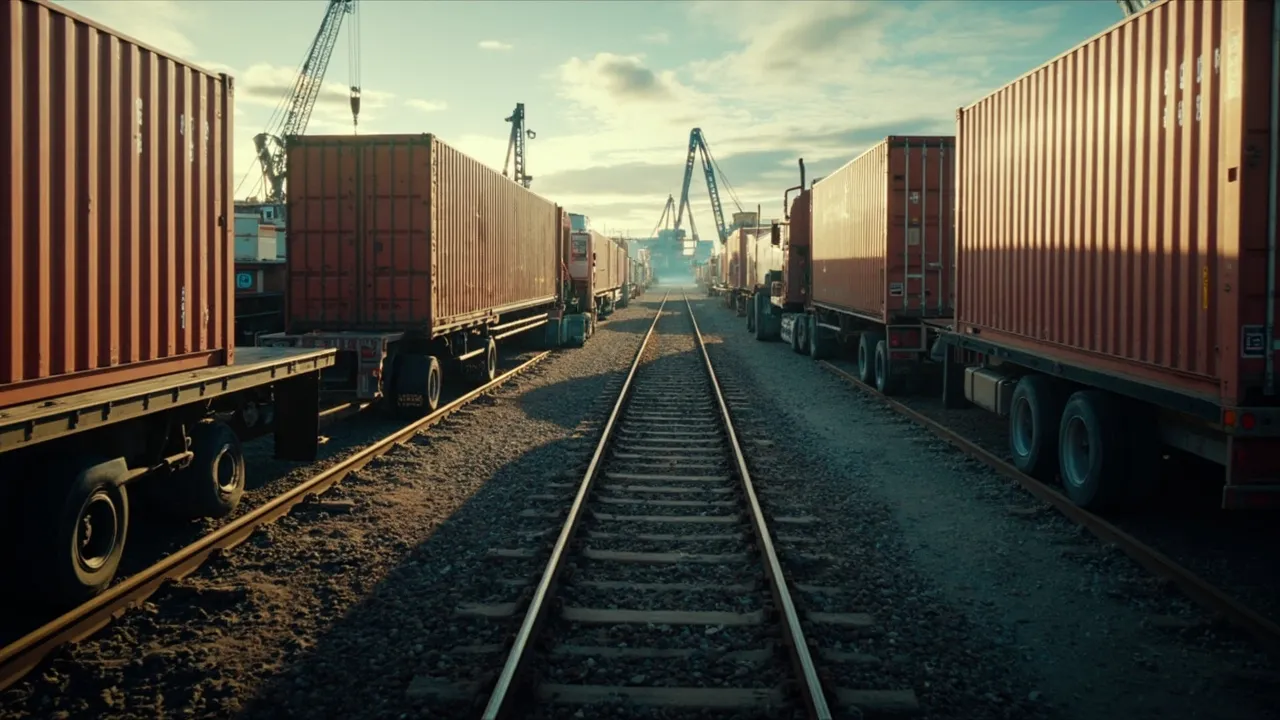
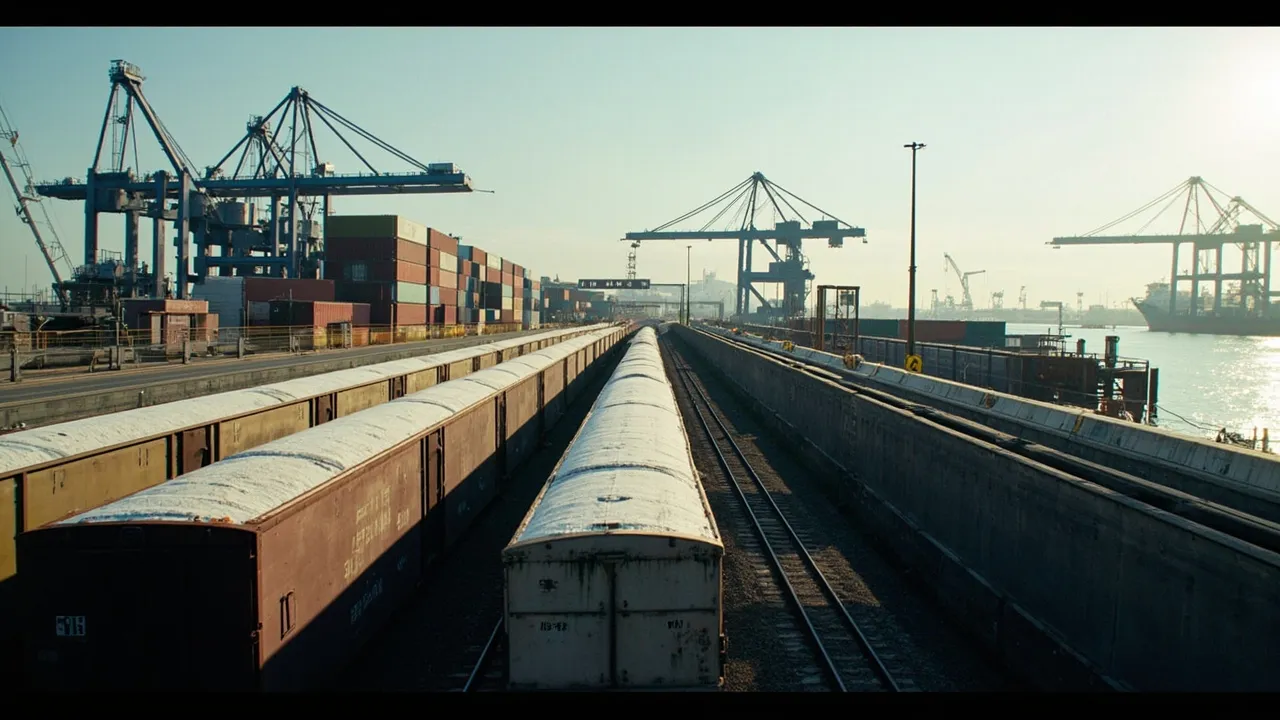
The most important inland move in Georgia’s current plan is the Gainesville Inland Port, which opened May 4 and connects northeast Georgia directly to Savannah by rail. FreightWaves reports the $134 million project is served by Norfolk Southern and is expected to shift 26,000 containers from truck to rail in its first year. At full build-out, the terminal is designed for up to 200,000 containers annually.
That is not just a sustainability headline. It changes how shippers in northeast Georgia can think about international freight.
Instead of sending containers on a roughly 600-mile roundtrip truck move between Gainesville-area facilities and Savannah, shippers can use local drayage to the inland port and move the long-haul segment by rail. That reduces highway exposure, lowers driver dependency, and gives exporters a more reliable path to empty containers when truck capacity tightens.
Earlier FreightWaves coverage of the inland rail hub noted that the Gainesville site spans 104 acres, includes six tracks totaling 18,000 feet, and is tied into Norfolk Southern service. It also connects a manufacturing and logistics corridor that includes poultry, heavy equipment, forest products, and cold-storage users.
That last point is important. Inland ports work best when they are not abstract intermodal assets, but extensions of real production clusters. Gainesville is not being built in the middle of nowhere and hoping cargo appears. It is being placed near shippers that already need international capacity and can benefit from a shorter local truck move.
Inland ports are resilience infrastructure
When demand softens, shippers tend to focus on rate relief. That is understandable, but incomplete. Lower spot pressure can hide structural weaknesses: too many long-haul dray moves, too few rail options, overreliance on a single port gate, and limited visibility between ocean, rail, and domestic handoff points.
Inland ports address those weak spots in four practical ways.
First, they reduce exposure to long-haul drayage. A short local dray plus rail linehaul is usually easier to plan than hundreds of truck miles through congested corridors.
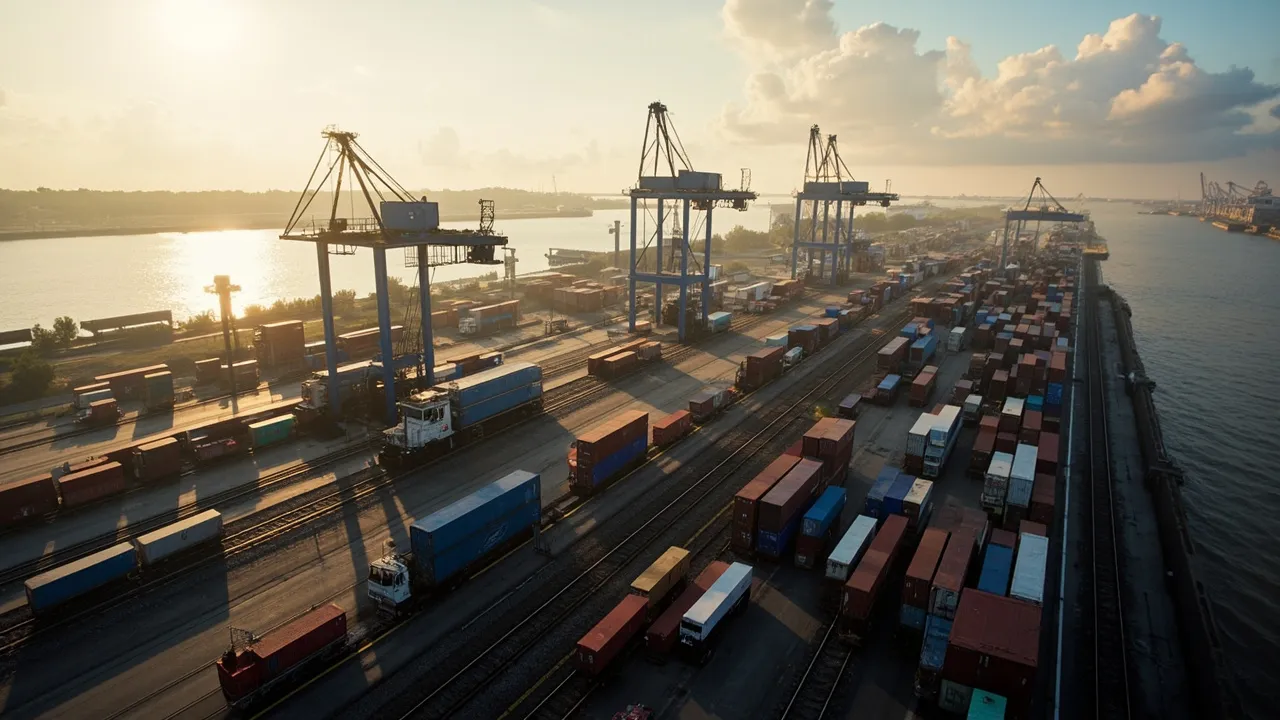
Second, they create surge absorption. When import volume rebounds, a rail-connected inland node gives containers somewhere useful to go instead of stacking pressure only at the marine terminal.
Third, they improve export positioning. Manufacturers and agricultural exporters need predictable access to boxes. Inland rail hubs can improve empty-container flow into production regions that otherwise sit far from coastal equipment pools.
Fourth, they make routing decisions more data-driven. A forwarder can compare port, rail, drayage, dwell, emissions, and total landed-cost implications as one network decision rather than a series of disconnected bookings.
That is where the Savannah story becomes bigger than Georgia. The issue is not whether one port had a weaker April. The issue is whether shippers have built enough flexibility into the inland side of their freight networks before volatility returns.
Brunswick shows the same long-term logic
Georgia’s investment strategy is not limited to containers. Brunswick handled 64,305 roll-on/roll-off units in April, up 2% year over year, while heavy equipment rose 7%, according to FreightWaves. Even with softer fiscal year-to-date RoRo volumes, GPA is investing in a new $100 million RoRo berth, outdoor vehicle storage, dredging, and harbor modifications.
That mix is telling: resilient port strategy supports multiple cargo profiles rather than betting the whole network on one demand curve.
A forwarder checklist for inland-port-enabled routing
Freight forwarders evaluating inland-port options should ask five questions before treating the model as a default recommendation:
- Is the shipper close enough to the inland node? The value improves when local drayage is short and repeatable.
- Is rail frequency aligned with the customer’s planning horizon? A cheaper option that misses production or delivery windows is not cheaper.
- Can the ocean carrier quote through service cleanly? Fragmented billing between ocean, rail, and drayage can erase operational gains.
- Does the inland port improve empty-container access for exports? This is often the hidden value for manufacturers.
- Can the TMS model inland-port routing as a standard option? If planners have to rebuild the move manually each time, adoption will stall.
The best inland-port strategies are boring in execution: repeatable route options, automated cost comparisons, predictable milestones, and fewer exception emails.
What CXTMS helps teams operationalize
Georgia Ports’ April decline is a useful reminder that freight strategy should not swing wildly with each monthly volume report. Soft demand is temporary. Network design decisions last much longer.
CXTMS helps freight forwarders evaluate inland-port-enabled routing, compare rail and drayage options, manage multimodal milestones, and connect port strategy to customer-specific service commitments. If your team is reassessing port routings, inland rail options, or intermodal execution, request a CXTMS demo and see how a modern TMS turns network optionality into day-to-day control.