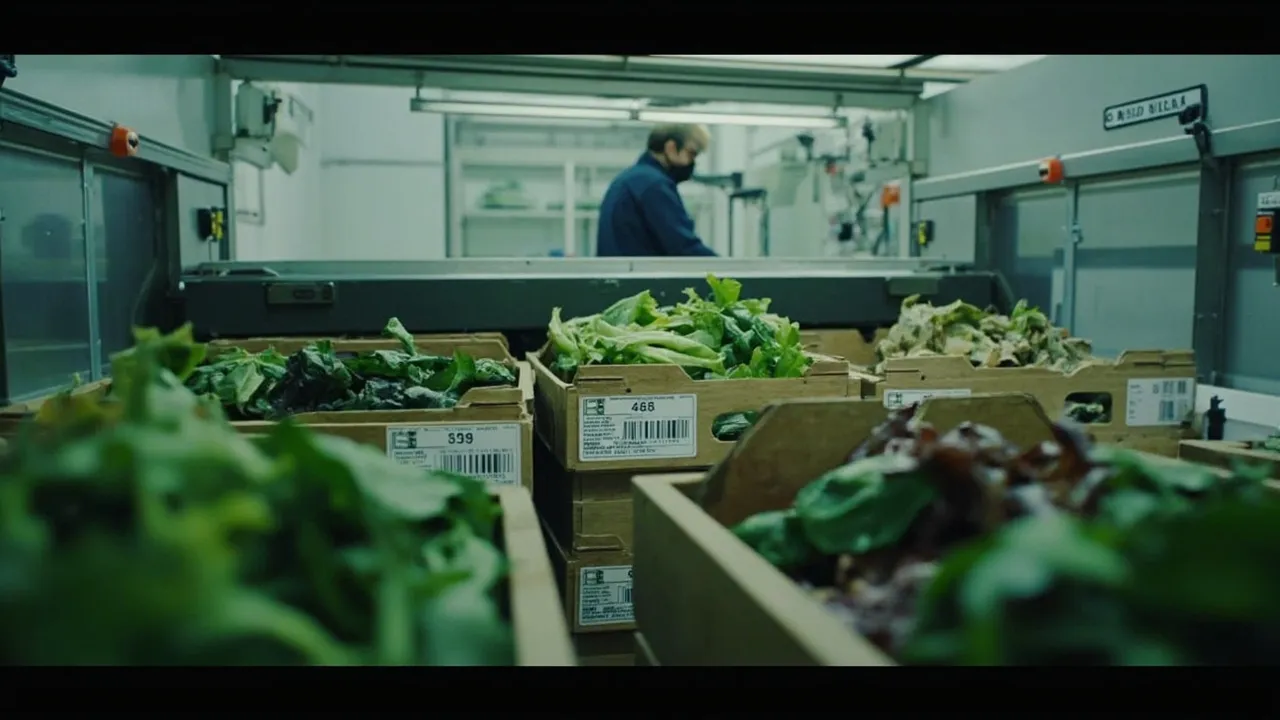
Albertsons’ AI Produce Inspection Tool Turns Fresh Quality Into Warehouse Data

Fresh produce quality has always been one of the most important decisions in grocery logistics, and one of the hardest to standardize. A strawberry clamshell can look acceptable to one inspector and borderline to another. Grapes can pass a receiving check at one distribution center and trigger a supplier dispute at another. For highly perishable categories, that subjectivity matters because every hour of uncertainty affects shelf life, replenishment, shrink, and customer trust.
That is why Albertsons' new AI-powered produce inspection tool deserves more attention than a typical retail technology announcement. According to Supply Chain Dive, Albertsons is using a proprietary Intelligent Quality Control tool in select warehouses to inspect strawberries and grapes. The system uses Google Cloud's Gemini Enterprise, including Vision AI and Gemini models, to help distribution center quality inspectors evaluate produce against the grocer's standards.
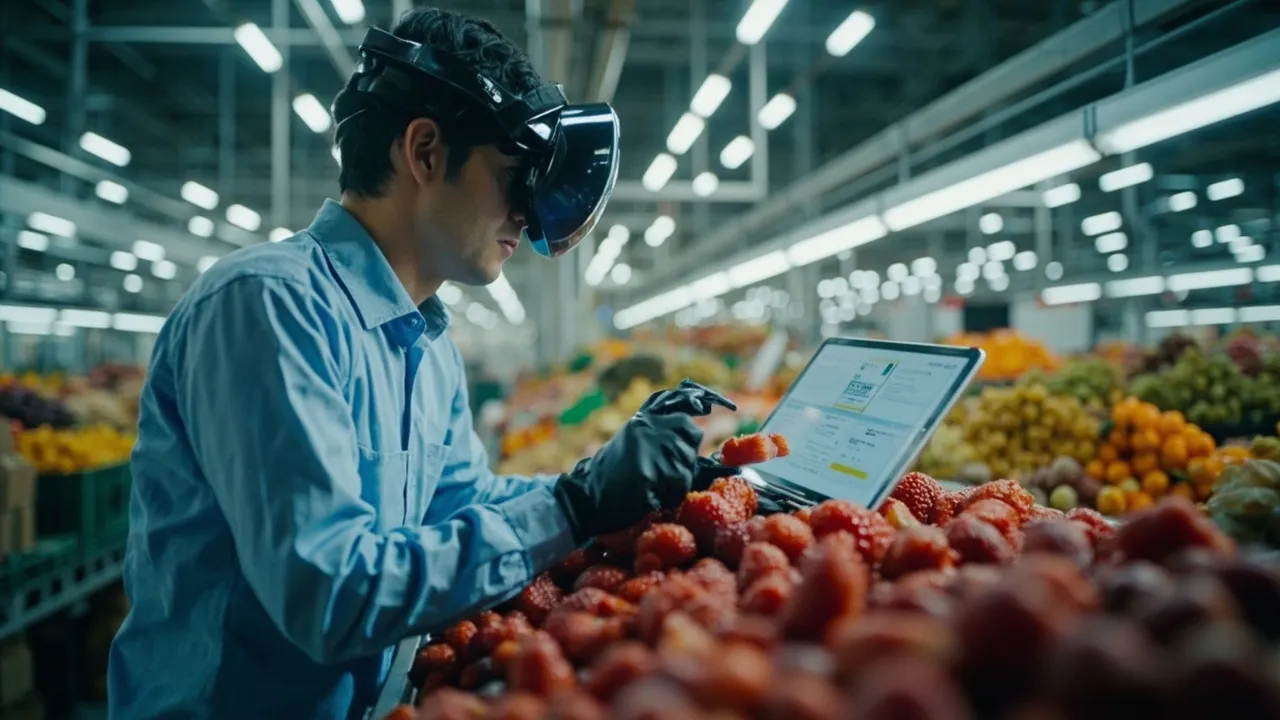
The tool is not replacing the receiving team. It is giving inspectors a more consistent scoring layer. In the example Albertsons shared, a warehouse worker photographs containers of strawberries with a tablet, and the system grades the fruit based on visual characteristics such as color and condition. Evan Rainwater, Albertsons' chief supply chain officer, said early results show the tool has been helpful in increasing consistency of quality ratings for highly perishable products.
That consistency is the real story. AI in the fresh supply chain is not valuable because it sounds futuristic. It is valuable when it turns a subjective, time-sensitive judgment into structured operating data that can move through receiving, claims, supplier scorecards, replenishment planning, and store execution.
Fresh quality needs a common language
Produce inspection is full of gray areas. A case can be technically deliverable but still below the quality level a retailer wants on shelf. A shipment can be accepted with reservations, routed to a faster-selling region, discounted, rejected, or used to support a supplier claim. Those choices depend on quality data, but in many networks that data is scattered across paper forms, photos, emails, spreadsheets, and individual inspector judgment.
A vision-assisted inspection workflow creates a common language. Instead of relying only on narrative notes like “soft berries” or “color issue,” a retailer can attach image evidence, standardized scores, timestamps, location, supplier, purchase order, lot, and disposition to the same receiving event. That makes fresh quality easier to audit and easier to act on.
Albertsons is starting with strawberries and grapes for good reason. Berries are high-value, high-shrink, and unforgiving. Small changes in condition can quickly become store-level waste, customer complaints, or margin erosion. The company plans to expand the tool across the entire berry section, take it nationwide, and eventually incorporate more fresh products, Supply Chain Dive reported.
That rollout path is sensible. Fresh AI works best when it begins with a narrow category where visual defects are commercially meaningful, then expands after teams validate the scoring model, workflow fit, and exception rules. Trying to automate every fresh decision at once is how pilots become science projects. Starting with berries turns the technology into an operational discipline.
Food waste economics make better inspection urgent
The broader market signal is clear: better fresh data is becoming a financial necessity. SupplyChainBrain reported that food loss and waste account for an estimated 8% to 10% of global greenhouse gas emissions, while U.S. food surplus is valued at $382 billion, citing ReFED. That is not just a sustainability problem. It is inventory value, transportation capacity, labor, packaging, refrigeration, and shelf space being consumed by product that may never sell.
The same report noted that the share of unsold food items categorized as “unknown” in U.S. Food Waste Pact data fell from 27% to 15% in one year. That is an important improvement because “unknown” is the enemy of operational control. If a retailer does not know whether product was donated, recycled, discarded, sold through markdowns, or lost to spoilage, it cannot improve the process with confidence.
AI produce inspection can reduce another kind of unknown: condition at the point of inbound receipt. If a shipment arrives with quality variation, the receiving record should capture that signal immediately. Was the issue supplier-related? Did temperature abuse occur in transit? Is one origin region underperforming? Are certain DCs applying standards differently? Are buyers ordering too aggressively for the remaining shelf life?
Without structured quality data, those questions become arguments. With structured quality data, they become measurable patterns.
Inspection data should flow beyond the warehouse
The mistake would be treating AI inspection as a standalone warehouse gadget. The value comes when inspection data flows into the systems that make downstream decisions.
For inbound receiving, quality scores can determine whether product is accepted, rejected, expedited, diverted, or flagged for review. For claims management, images and standardized assessments can support supplier conversations with stronger evidence than handwritten notes. For replenishment, quality signals can influence how much inventory should be sent to stores, how quickly it should move, and whether markdown or promotion activity is needed. For supplier management, recurring defects can become scorecard inputs rather than anecdotal complaints.
Transportation teams should care too. If produce quality issues cluster around certain lanes, carriers, dwell points, or handoff locations, the root cause may be logistics rather than grower performance. A TMS connected to receiving and quality workflows can help teams compare condition outcomes against route duration, equipment type, temperature exceptions, appointment delays, and detention patterns.
That connection matters because perishable logistics does not end when a truck reaches the dock. Delivery performance, receiving discipline, quality inspection, inventory allocation, and store execution are one chain. Weak data in any one link creates waste elsewhere.
What grocers and food shippers should do next
Albertsons' Intelligent Quality Control tool points toward a more measurable fresh supply chain. Not every grocer needs to build its own proprietary AI model, but every food shipper should be asking the same operational questions:
- Are quality checks standardized across facilities and inspectors?
- Are photos, scores, supplier data, lot details, and disposition captured in one workflow?
- Can quality outcomes be tied back to lanes, carriers, dwell time, and temperature events?
- Do replenishment teams see inbound quality signals before product reaches stores?
- Are supplier scorecards based on repeatable evidence or scattered exceptions?
The next generation of fresh logistics will not be won only by forecasting demand more accurately. It will also depend on knowing the condition of inventory earlier, more consistently, and in a format that planning systems can use.
CXTMS helps logistics teams connect inbound receiving, carrier performance, exception management, and operational visibility so quality signals do not get trapped at the dock. If your fresh supply chain still relies on disconnected inspection notes and after-the-fact claims, schedule a CXTMS demo to see how transportation data can support better perishable decisions.