Seismic Warehouse Rules Are the Facility Risk Most Logistics Teams Still Discover Too Late


Warehouse teams usually discover seismic risk at the worst possible moment: after the racks have been ordered, the automation vendor has mapped the layout, the go-live date is on the calendar, and someone finally asks whether the slab, anchors, and engineering documents satisfy local code.
That is backwards. Seismic compliance is not a paperwork detail at the end of a warehouse project. It is a facility-planning constraint that can change rack design, automation scope, insurance posture, permitting timelines, installation sequence, and ultimately the date a building can begin shipping product.
A recent SupplyChainBrain analysis makes the point plainly: logistics managers need to understand when seismic ratings, slab analyses, and professional engineer stamps are required before a single delivery hits the warehouse floor. The article notes that U.S. seismic exposure is not limited to California. The New Madrid Seismic Zone affects parts of Missouri, Arkansas, and Tennessee, while Charleston, South Carolina has its own seismic history. Modern codes use seismic design categories from A through F, not the old shorthand of “earthquake state” versus “safe state.”
For logistics teams, that shift matters because many warehouse projects now push buildings harder than their original design assumptions. Racks are taller. Storage density is higher. Automated storage and retrieval systems concentrate loads in ways conventional bulk storage never did. SupplyChainBrain cites an example of a 120-foot-tall AS/RS carrying more than 150,000 pounds, creating meaningful stress on slabs and soil.
The hidden trigger: racking is part of the building risk
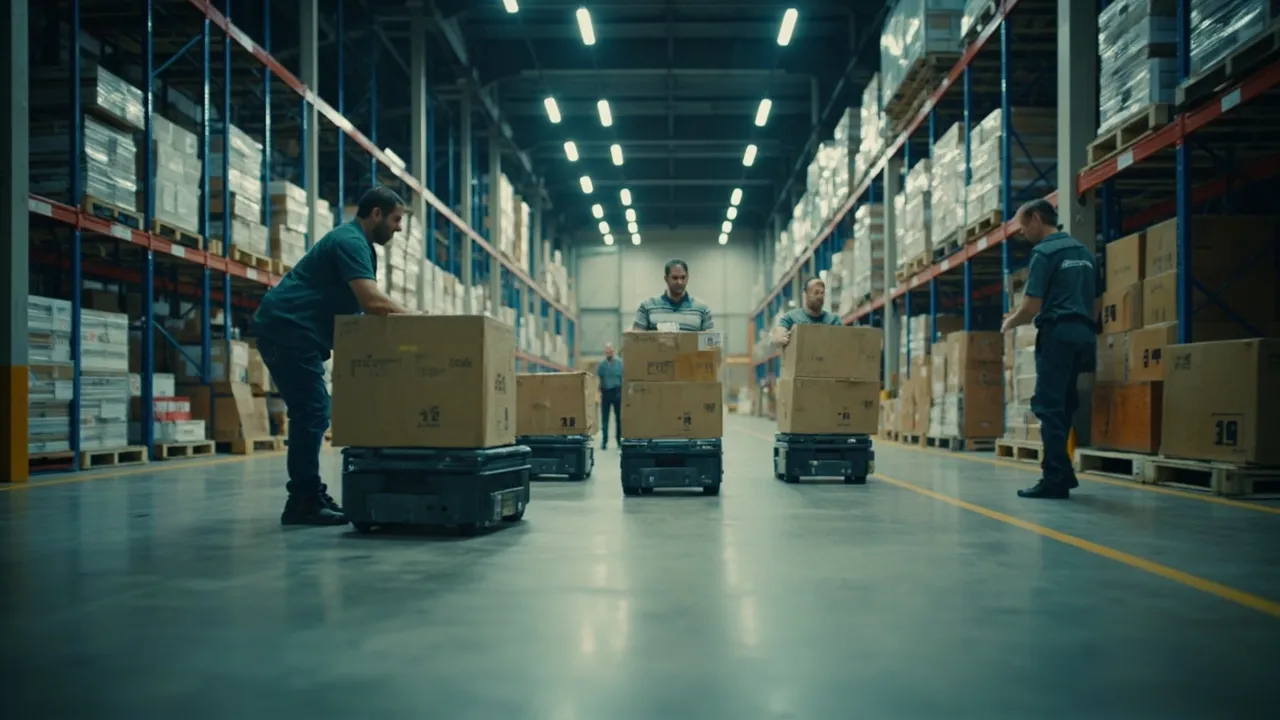
Warehouse racking can look like equipment, but building officials often treat it as a structural safety issue. In seismic areas, rack design is governed by standards such as the International Building Code and ANSI MH16.1. SupplyChainBrain notes that ANSI MH16.1 requires racks over eight feet tall or free-standing racks to account for seismic forces.
That means a “standard” rack quote may not be standard at all once the address, soil type, slab condition, rack height, load profile, and local enforcement approach are considered. In higher-risk seismic design categories — especially SDC D, E, and F — engineered racking becomes a must-have, not an upgrade.
The details get specific fast. Base plates may need to range from 5 inches by 5 inches to 6 inches by 8 inches. Anchors must be selected for seismic forces, edge distances, and joint proximity. Local building departments or fire marshals may require calculations and drawings stamped by a licensed professional engineer. If those documents are missing, the installation can be red-tagged, forcing dismantling, redesign, inspection delays, or emergency rework.
That is the kind of delay that does not show up in a freight budget until it is already expensive.
Slab capacity is not the same as forklift traffic
One of the easiest mistakes is assuming that a slab capable of handling forklifts can automatically support dense racking or automation. It may not.
Forklift traffic creates distributed and rolling loads. Rack uprights create concentrated point loads. Automation systems may add high-density storage, dynamic movement, tighter tolerances, and heavier columns of inventory. Soil conditions can amplify the problem. Soft or liquefiable soils can increase seismic stress on foundations, and older buildings may have incomplete as-built records.
That is why slab analysis should happen early. A professional engineer may need concrete core testing, ground-penetrating radar scans, reinforcement details, slab thickness, concrete strength, soil bearing pressure, and historical drawings before signing off. Waiting until installation week to gather that information is asking for trouble.
The automation boom raises the stakes. Mordor Intelligence estimates the warehouse automation market will grow from $34.17 billion in 2026 to $65.74 billion by 2031, a 13.98% CAGR. The same report says hardware represented 55.12% of 2025 revenue, while software is projected to grow at a 14.87% CAGR through 2031. In other words, operators are putting more physical and digital complexity into facilities at the same time.
That investment only pays off if the building can support it.
Facility compliance can break the go-live plan
Seismic and slab requirements often live outside the transportation team’s usual field of view. They sit with real estate, construction, safety, engineering, insurance, rack suppliers, automation integrators, or local permitting offices. But when something goes wrong, logistics owns the service failure.
A delayed rack permit can postpone inventory migration. A failed slab review can force a layout redesign. A missing PE stamp can stop installation. A change in anchor specification can affect procurement lead times. Fire marshal or insurance questions can add another approval loop.
The operational effect is familiar: inventory is staged in the wrong building, inbound appointments get rescheduled, outbound capacity misses the launch window, labor plans slip, and customer commitments get rewritten. The root cause may be engineering compliance, but the pain lands in logistics.
That is why facility risk belongs in the same planning conversation as carrier capacity, WMS configuration, labor ramp-up, and customer cutover dates.
A practical checklist for logistics teams
Before signing a lease, approving a rack order, or greenlighting automation, logistics teams should force a simple facility-risk review.
Start with the site. Identify the building’s seismic design category, soil classification, local code requirements, and authority having jurisdiction. Free tools from engineering and seismic organizations can help screen risk, but final decisions need qualified professionals.
Then validate the slab. Confirm thickness, reinforcement, concrete strength, soil bearing capacity, joints, cracks, edge conditions, and whether historical drawings can be trusted. If the project involves older facilities, high-density storage, mezzanines, or automation, assume additional testing may be needed.
Next, align the rack and automation design. Load profiles, rack height, base plates, anchors, aisle widths, equipment tolerances, and seismic bracing should be engineered together. Do not let the rack vendor, automation integrator, and building engineer work from separate assumptions.
Finally, build documentation into the project schedule. PE-stamped drawings, calculations, permits, inspection records, insurance documentation, and change approvals should have owners and due dates. Treat them like critical path tasks, because they are.
The CXTMS angle: facility risk affects transportation execution
CXTMS is not an engineering platform, and seismic compliance belongs with licensed professionals. But facility readiness absolutely affects transportation planning. When a warehouse go-live slips, every connected shipment plan changes: inbound receiving windows, cross-dock schedules, inventory positioning, carrier tenders, appointment calendars, customer delivery promises, and exception workflows.
That is where a transportation management system earns its keep. Logistics teams need a clean record of which shipments depend on a facility launch, which inbound loads should be delayed or rerouted, which carriers need updated appointment instructions, which customers require proactive communication, and which costs came from the facility delay.
Seismic warehouse rules are easy to ignore because they feel like engineering minutiae. They are not. They are capacity risk, schedule risk, safety risk, and customer-service risk hiding inside concrete, steel, anchors, and stamped drawings.
Planning teams that surface those requirements early protect the project. Teams that discover them late get a very expensive lesson in how physical infrastructure still controls digital logistics.
Want tighter control when facility projects affect freight execution? Schedule a CXTMS demo to see how shipment visibility, exception workflows, appointment coordination, and documentation trails help logistics teams keep transportation plans aligned when warehouse timelines change.