Automotive Logistics
20 posts tagged with “Automotive Logistics”
Toyota's Ontario Commitment: Turn New Vehicle Production Into an Inbound Freight Ramp Plan
Build an automotive inbound freight ramp plan around supplier validation, returnable packaging, border readiness, line-side inventory, and milestone gates.
 CXTMS InsightsOctober 19, 2026 · 6 min read
Mexico’s 98,394 Heavy-Truck Exports Need a Fleet-Delivery Capacity Map
Mexico's heavy-truck export surge is testing staging, border, driveaway, rail, and dealer capacity. Learn how to build a fleet-delivery capacity map.
CXTMS InsightsOctober 14, 2026 · 5 min read
Tesla's 538,720-Square-Foot Texas Distribution Center: Build the Inbound Plan Before 2028
Tesla's planned Texas distribution center creates a long runway to design supplier appointments, inventory controls, dock flows, and carrier capacity before launch.
CXTMS InsightsSeptember 16, 2026 · 6 min read
Hyundai Targets 80% North American Parts Sourcing: Build the Supplier Ramp by Milestone
Hyundai's 80% North American sourcing goal demands milestone-based supplier ramps spanning tooling, validation, packaging, inbound lanes, and shipment exceptions.
CXTMS InsightsSeptember 11, 2026 · 6 min read
A 50% Auto-Materials Tariff Needs Part-Level Landed-Cost Version Control
Steel, aluminum, vehicle, and auto-parts tariffs now vary by material content, origin, product, and effective date. Automotive logistics teams need versioned landed-cost controls at part level.
CXTMS InsightsSeptember 8, 2026 · 6 min read
Auto-Hauling Consolidation Reaches 25% Share: Protecting Capacity Through Carrier M&A
A major auto-hauling acquisition shows why automotive shippers need concentration limits, clean carrier master data, and backup-capacity triggers.
CXTMS InsightsAugust 12, 2026 · 6 min read
O'Reilly's Tariff Refund Sharing Makes Importer-of-Record Terms a Supplier Settlement Rule
A practical supplier settlement workflow for tracing tariff refunds from importer-of-record claims to purchase orders, SKUs, and commercial credits.
CXTMS InsightsAugust 7, 2026 · 6 min read
GM's Battery Rightsizing and Memory Sourcing Need One Constraint-Aware Inbound Plan
GM's battery rightsizing and memory sourcing illustrate why automotive inbound plans must distinguish bulky capacity constraints from scarce semiconductor supply.
CXTMS InsightsAugust 3, 2026 · 6 min read
Auto Importers Are Treating Port Choice as a Distribution Strategy, Not a Vessel Call
Mitsubishi's Port Freeport move shows why auto importers should treat RoRo port selection as a downstream distribution strategy.
CXTMS InsightsJuly 16, 2026 · 6 min read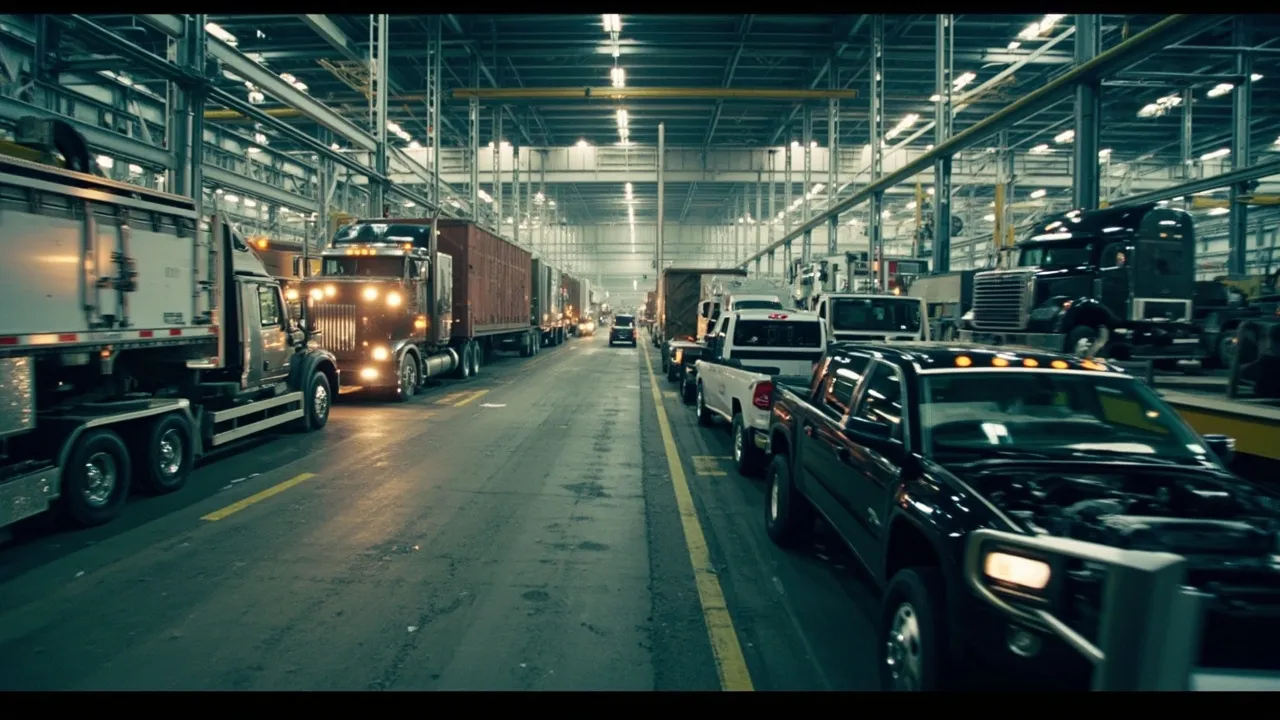
Automotive Plant Expansions Need Logistics Readiness Before the First Unit
Toyota's $3.6 billion San Antonio expansion shows why automotive production launches need inbound, packaging, yard, rail, and dealer logistics ready before the first unit.
CXTMS InsightsJuly 13, 2026 · 6 min read