BNSF’s $4B California Intermodal Project Is Really a Distribution Network Bet


BNSF's California intermodal project is easy to describe as a rail terminal. That undersells it.
The more important read is that BNSF is making a long-cycle distribution network bet: pull more import freight away from congested coastal roads, create inland sorting and transload capacity, and give shippers another way to design West Coast flows before demand cycles make the decision for them.
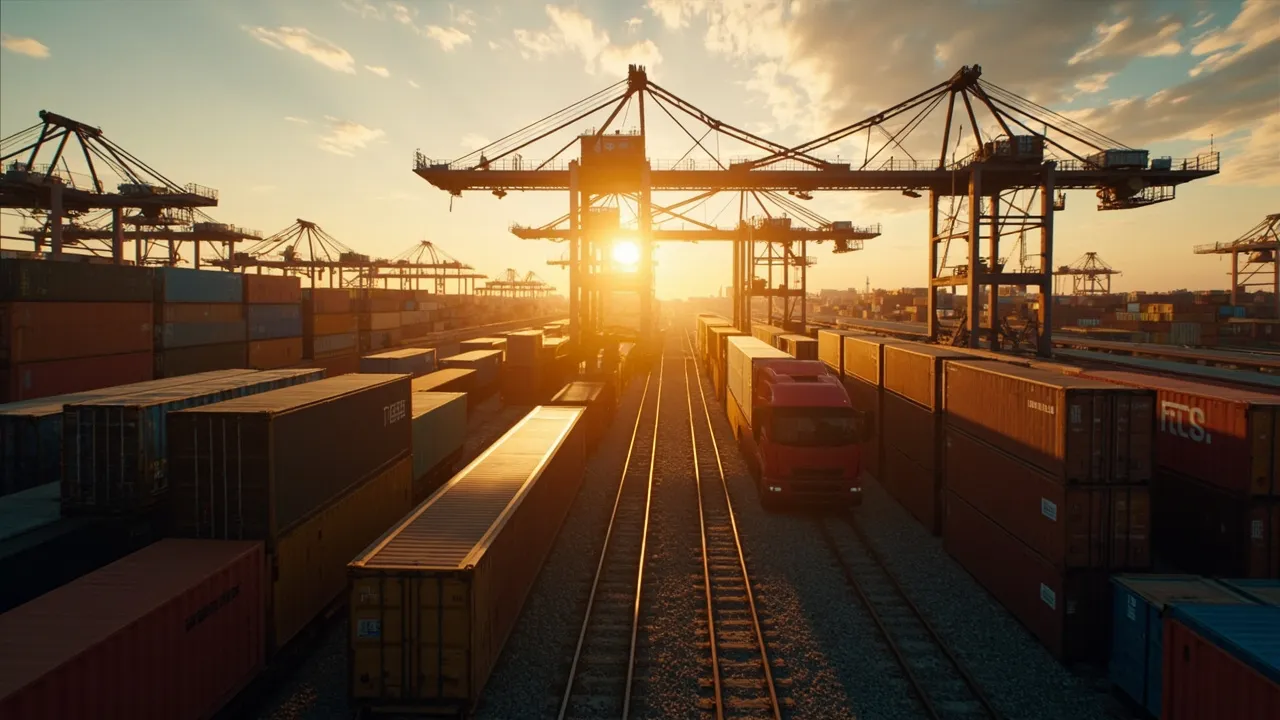
According to FreightWaves' report on the Barstow approval, the Barstow City Council approved BNSF's proposed Barstow International Gateway, a project framed as a private investment ranging from $1.5 billion to $4 billion. The planned site would cover 4,500 acres in California's high desert and create capacity for 60 trains east of Los Angeles. BNSF says the facility would support freight moving to and from the Southern California port complex, improve inland access, and reduce congestion tied to the Los Angeles and Long Beach gateway.
Those are big numbers, but the strategic issue is bigger than acreage or cranes. Inland intermodal capacity changes where freight can pause, sort, convert, and move next. That affects port routing, distribution center placement, drayage strategy, and the value of optionality in a network that has spent the last few years learning how expensive rigidity can be.
Why Inland Capacity Changes Import Routing
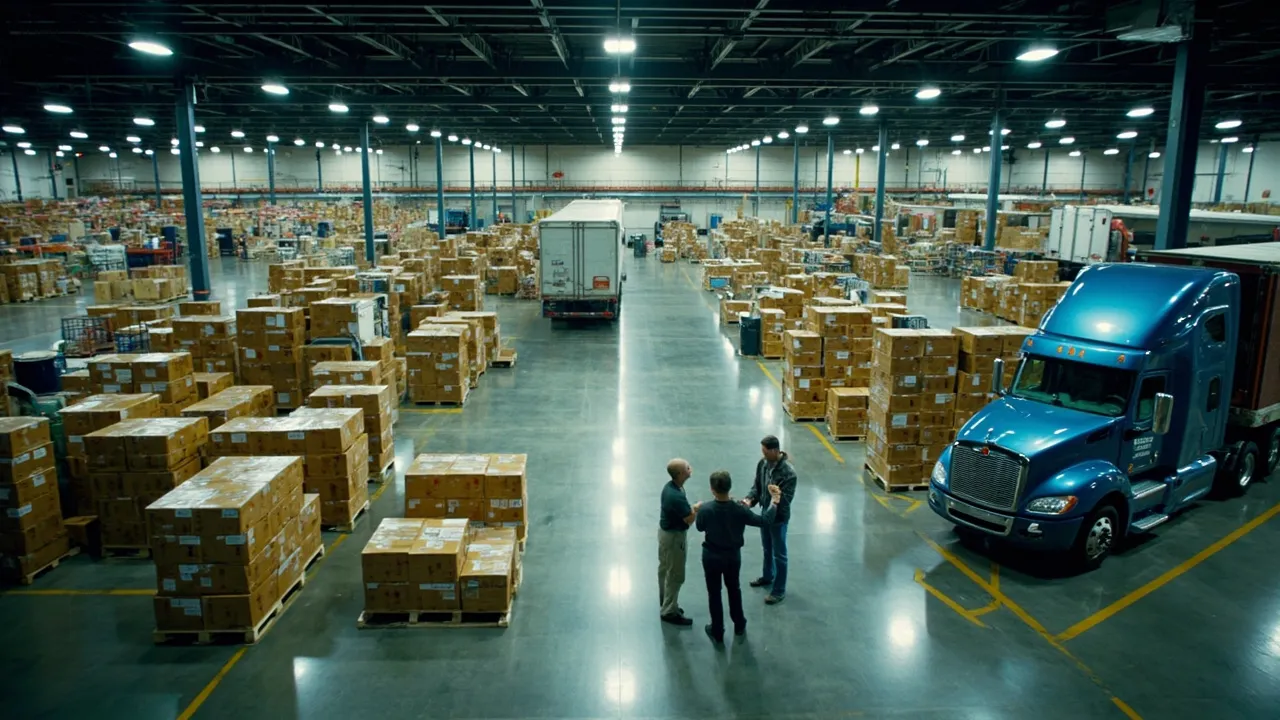
For importers, the port is only the first bottleneck. The second bottleneck is often the inland handoff: containers need to leave the terminal, move through a drayage market, hit a transload or distribution facility, and then continue by truck or rail toward final demand.
A large inland intermodal hub changes that sequence. Instead of treating coastal terminal space and nearby warehouse capacity as the default pressure valve, shippers can evaluate whether more cargo should move inland earlier in the process. That does not eliminate drayage. It changes which drayage moves matter, where congestion concentrates, and whether a shipment is best served by local transload, inland rail, or direct intermodal service.
FreightWaves reported that BNSF projects the Barstow International Gateway could eliminate approximately 205 million truck miles traveled in 2028, 269 million in 2033, and 312 million in 2048. Even if a shipper discounts those projections for planning purposes, the scale is a reminder that infrastructure decisions can reshape freight patterns for decades, not quarters.
That matters because many logistics teams still plan West Coast flows as if the network is static. It is not. If a new inland node gives carriers and beneficial cargo owners a more reliable handoff from the San Pedro Bay ports to long-haul corridors, the best lane design in 2026 may not be the best lane design in 2029.
Distribution Centers Follow Reliable Flow
Distribution center location is often discussed through the lens of labor, real estate, taxes, and customer proximity. Those still matter. But transportation reliability is increasingly the constraint that determines whether a site works in practice.
A DC placed near demand but dependent on fragile inbound flow can become expensive quickly. Late containers create appointment churn, overtime, detention exposure, emergency drayage, and inventory buffers that quietly erase the savings of a good lease. A DC placed farther inland may look less attractive on a map but perform better if the inbound rail product is consistent and the outbound truck network is disciplined.
That is the real significance of Barstow. It sits east of the Los Angeles Basin and Inland Empire, positioned to influence how freight moves from the nation's busiest port complex into the southern transcontinental rail route. If the project improves port-to-rail fluidity, importers may revisit which SKUs should be transloaded near the coast, which should move inland intact, and which replenishment flows should bypass the most congested local corridors altogether.
Rail Timelines Are Long; Retail Demand Cycles Are Not
The hard part is timing. Infrastructure moves slowly. Demand moves violently.
The Barstow project still faces environmental, community, permitting, and operational questions. FreightWaves noted concerns around local pollution, infrastructure strain, California air rules, and whether the promised emissions benefits outweigh added rail activity. California Environmental Quality Act review is still pending. In other words, approval is meaningful, but it is not the same thing as immediate capacity.
Meanwhile, retail and manufacturing demand cycles can swing within a season. Inventory gluts turn into stockouts. Ocean frontloading changes bookings. Truckload pricing moves. A supplier disruption turns a clean routing guide into a scramble. That mismatch is why shippers cannot wait until a new facility is live to decide how it affects them.
The broader rail market is already giving planners a reason to pay attention. In a separate FreightWaves rail volume report, U.S. railroads handled 520,406 carloads and intermodal units for the week ending June 13, up 7.2% year over year. Intermodal volume reached 289,447 containers and trailers, up 10.9% from 2025. At the year's midpoint, intermodal units were up 2.7% year over year.
The Shipper Checklist Before Capacity Comes Online
The right response is not to wait for Barstow to open and then improvise. Shippers should start testing lane optionality now.
First, identify West Coast import lanes with chronic drayage volatility, appointment failures, detention exposure, or poor transload visibility. Those lanes are the best candidates for future inland intermodal analysis.
Second, separate freight by handling requirement. Some products need coastal transload because of labeling, palletization, postponement, or retailer-specific packaging. Other freight can move inland more cleanly. Treating every container the same hides the lanes where rail capacity could matter most.
Third, model DC placement against service reliability, not just miles. A shorter truck leg is not automatically cheaper if it creates dwell, congestion, missed appointments, and manual recovery work.
Fourth, build scorecards for rail performance. Supply Chain Dive's rail service dashboard highlights why speed, terminal dwell, and cars online matter to shippers. Those metrics should sit beside cost per container, tender acceptance, drayage cycle time, and on-time delivery in any intermodal evaluation.
Fifth, define what optionality is worth. Optionality is not free. It may require new carrier relationships, different transload partners, revised order cutoffs, updated customer promises, and better shipment visibility. But when port congestion or truck pricing turns ugly, optionality is usually cheaper than emergency redesign.
The Network Lesson
BNSF's Barstow project is not just a construction story. It is a reminder that logistics advantage often comes from preparing for capacity before everyone else needs it.
The shippers that benefit most will not be the ones who read about a $4 billion project and make a single routing change. They will be the ones who already know which lanes are brittle, which DCs depend on fragile inbound assumptions, which products can move by inland intermodal, and which service metrics prove that the new option is working.
That is where a modern TMS earns its keep. CXTMS helps logistics teams connect lane costs, carrier performance, drayage activity, rail milestones, exception history, and distribution decisions in one operating view. If your import network still depends on spreadsheets and post-crisis analysis, schedule a CXTMS demo and see how better transportation data can turn future capacity into a real network advantage.