Burlington’s 2M-Square-Foot Georgia DC Shows Retail Speed Now Depends on Sortation Discipline

Retail distribution used to win by adding space. In off-price retail, space is no longer enough.
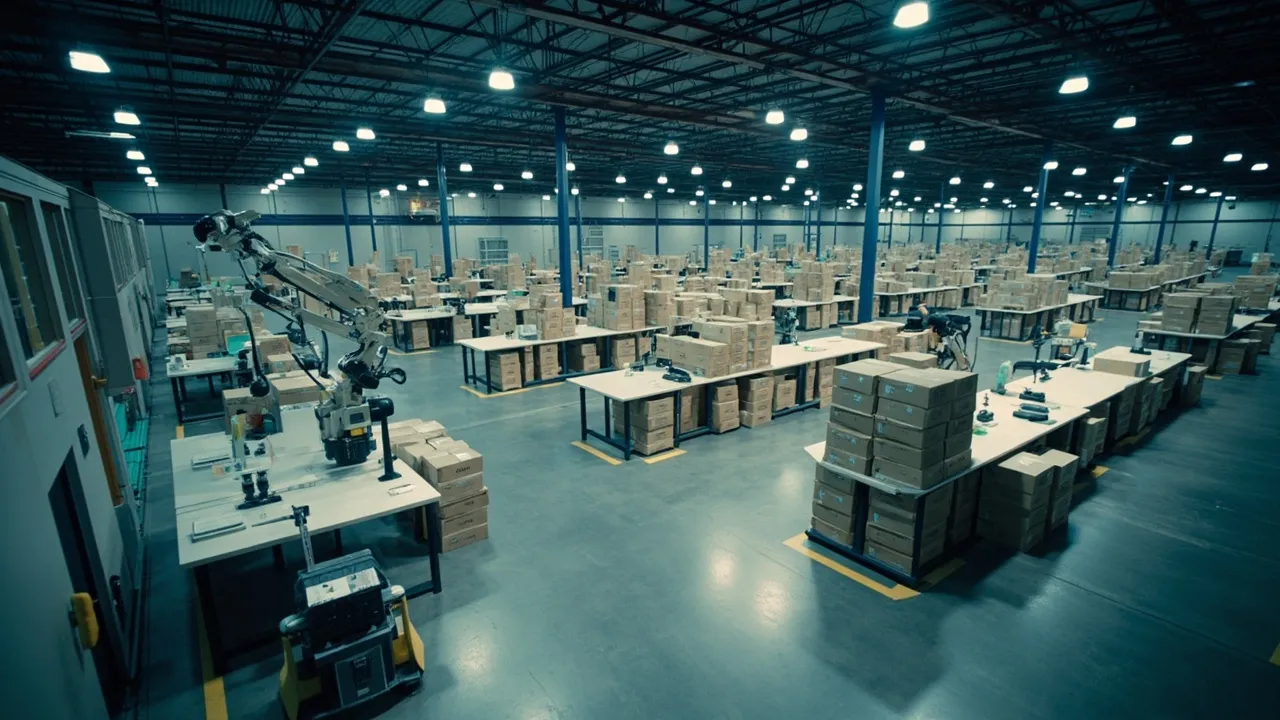
Burlington Stores’ new Georgia distribution center is a useful case study because the headline is not just size. The facility in Ellabell is enormous at 2 million square feet, but the more important details are inside the box: sortation, conveyor logic, workstations, yard-to-store software visibility, and the operating discipline needed to turn inbound variety into store-ready flow.
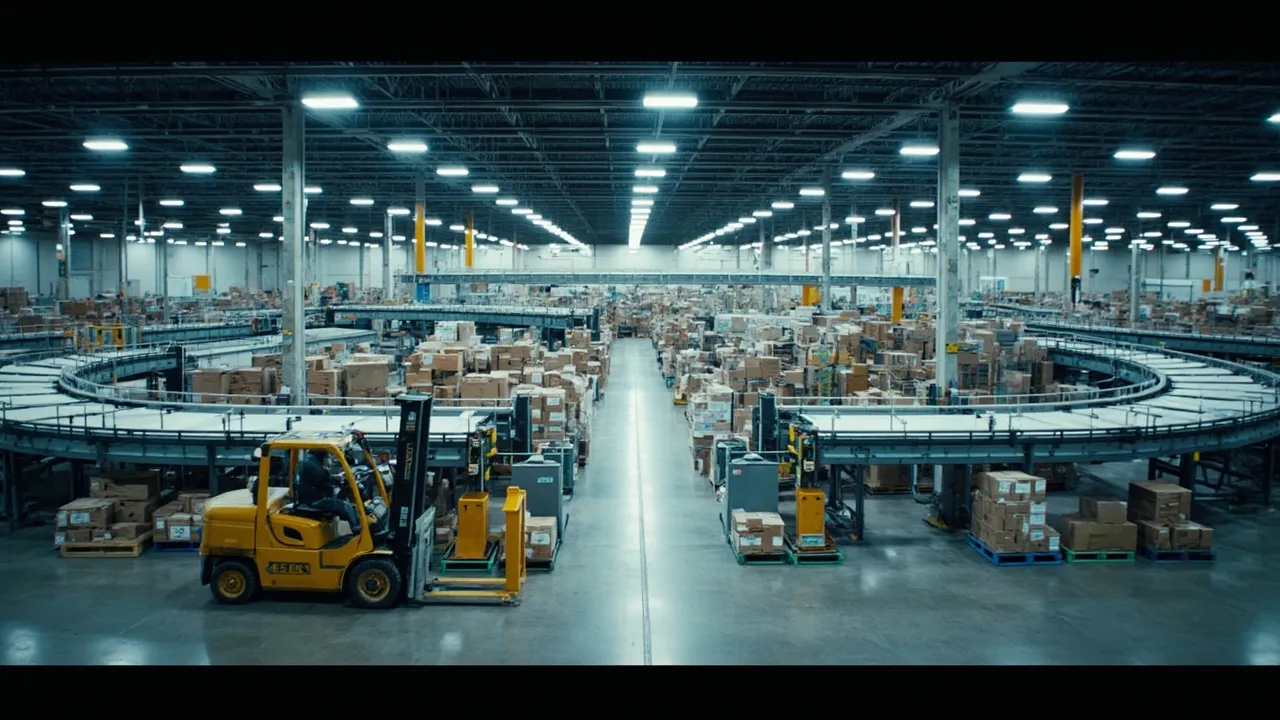
According to Supply Chain Dive, Burlington’s Georgia distribution center includes more than 25 miles of conveyor and automation, smarter sortation systems, workstations, and custom software. The facility is climate-controlled, designed for the retailer’s off-price business, and expected to create about 1,500 jobs. Burlington also plans to open roughly 115 new stores by the end of its current fiscal year.
That combination matters. A retailer does not add 2 million square feet, 25 miles of conveyor, and 1,500 jobs because warehouse automation looks good in a press release. It does it because speed, variability, and store growth have turned distribution center execution into a strategic constraint.
Off-price retail punishes slow, rigid flow
Off-price retail has a different logistics rhythm than predictable replenishment. Product buys are opportunistic. Assortments shift quickly. Store allocations can change late. Cartons may arrive from many suppliers with inconsistent packaging, labeling, carton mixes, and handling requirements. The DC cannot simply receive uniform pallets, put them away, and replenish stores on a slow calendar.
That is why sortation discipline matters more than generic automation hype. In a volatile merchandise model, the core question is not “How automated is the building?” It is “How quickly can the building classify, route, consolidate, and release product without losing control?”
Sortation is the hinge between inbound complexity and outbound store execution. If inbound goods cannot be identified and routed accurately, automation just moves confusion faster. If cartons are sorted cleanly by store, zone, priority, or handling path, the DC becomes a flow-through engine rather than a storage buffer.
Burlington’s comments point directly at that operating model. Supply Chain Dive reported that the Georgia site uses software and systems technology throughout the process, from truck entry in the distribution center yard to merchandise scanning at in-store receiving. That end-to-end signal is the real story. The conveyor is physical infrastructure. The software is what turns movement into control.
The Arizona mirror shows this is a network strategy
The Georgia facility is not a one-off bet. Burlington is also building a 2 million-square-foot automated distribution center in Buckeye, Arizona, expected to open in 2028. Supply Chain Dive reported that the Arizona site will include advanced sorting systems and custom software to support faster daily operations, and that Burlington estimated approximately $290 million of spending to support supply chain initiatives, largely tied to finishing the Georgia DC and beginning construction in Arizona.
That creates a clear pattern: Burlington is redesigning distribution capacity around regional speed and repeatable sortation capability. The company is not merely adding warehouse square footage; it is trying to shift volume into more productive, more automated nodes that can support store growth without letting processing cost or turnaround time balloon.
For logistics leaders, the lesson is blunt: network design and facility design are now inseparable. A new DC location changes inbound routing, carrier mix, store delivery frequency, labor planning, yard congestion, and inventory positioning. A new sortation platform changes how quickly the network responds to opportunistic merchandise.
Automation ROI depends on throughput discipline
The broader warehouse market supports the direction, but it also warns against lazy automation thinking. Inbound Logistics has reported that warehouse automation has seen double-digit growth, driven by e-commerce, omnichannel complexity, faster delivery expectations, and labor pressure. It cited Interact Analysis research forecasting warehouse automation market growth at a 12.6% compound annual growth rate over five years.
Those growth rates explain why retailers keep investing. They do not guarantee results.
A 2 million-square-foot building can still disappoint without disciplined throughput management. The practical metrics are not vanity numbers like conveyor length or robot count. Teams should measure:
- inbound dwell by supplier, carrier, and appointment window
- first-pass label and scan success rates
- carton induction accuracy and exception rates
- sorter utilization by hour and wave
- recirculation, reject, and manual rework percentages
- dock-to-stock and dock-to-store cycle time
- trailer turn time and yard congestion
- store receiving accuracy and claims tied back to DC handling
Those numbers determine whether automation is absorbing volatility or simply hiding it until the outbound dock.
Custom software is a competitive layer
The phrase “custom software” deserves attention. Retailers often underestimate how much warehouse performance depends on logic that standard systems do not handle cleanly: priority rules, carton routing, store clustering, exception codes, labor pacing, yard status, carrier cutoff times, and the messy connection between purchase-order data and what actually arrives.
For off-price retailers, that logic is even more important. The business model relies on speed from opportunistic buying to store presentation. If the DC cannot process irregular product quickly, the merchandising advantage erodes. If store allocations are late, if outbound trailers miss windows, or if scan data breaks at handoff, the network pays for it through markdowns, stockouts, expediting, and labor rework.
This is where transportation systems have to be part of the conversation. DC throughput is not finished when a carton hits the outbound lane. Store delivery schedules, carrier appointments, pool points, trailer utilization, and exception workflows all depend on clean warehouse events. A TMS that sees only the shipment after it is tendered is already late. CXTMS-style execution needs upstream signals: when goods entered the yard, when they cleared induction, when they were sorted, when they were staged, and whether the outbound plan is still realistic.
What logistics teams should copy
Most companies do not need Burlington-scale facilities. They do need Burlington-style clarity about where speed actually comes from.
Start with flow, not equipment. Map where cartons wait, where labels fail, where sort decisions are delayed, and where outbound plans are rebuilt manually. Then decide whether the bottleneck is layout, labor, system logic, supplier compliance, transportation timing, or all of the above.
Second, define throughput promises in operational terms. “Faster flow” should mean cycle-time targets, exception thresholds, induction rates, sorter capacity, trailer turn goals, and store receiving accuracy. If a facility cannot measure those, it cannot prove the automation is working.
Third, connect the DC to transportation execution earlier. A sortation exception at noon can become a missed store delivery that night. A delayed induction wave can create carrier detention. A bad scan can become a claims dispute. The best logistics teams treat warehouse events as freight planning signals, not isolated facility data.
Burlington’s Georgia DC is a reminder that retail speed is not magic. It is disciplined movement, measured exceptions, and software that keeps physical flow synchronized with transportation commitments. In off-price retail especially, the winners will not be the companies with the flashiest automation. They will be the companies that make every sort decision count.
Want to connect distribution center events to freight planning, carrier execution, and delivery exception workflows? Schedule a CXTMS demo and see how better operational signals can improve transportation control from yard to store.