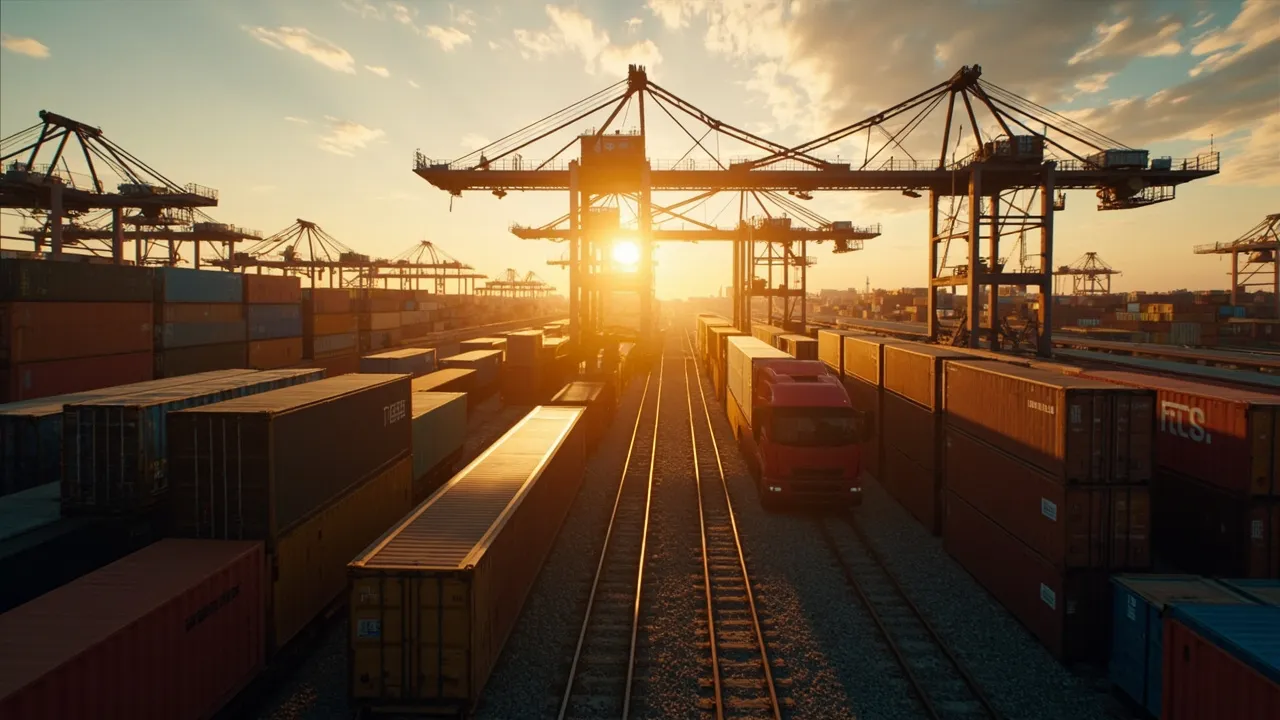
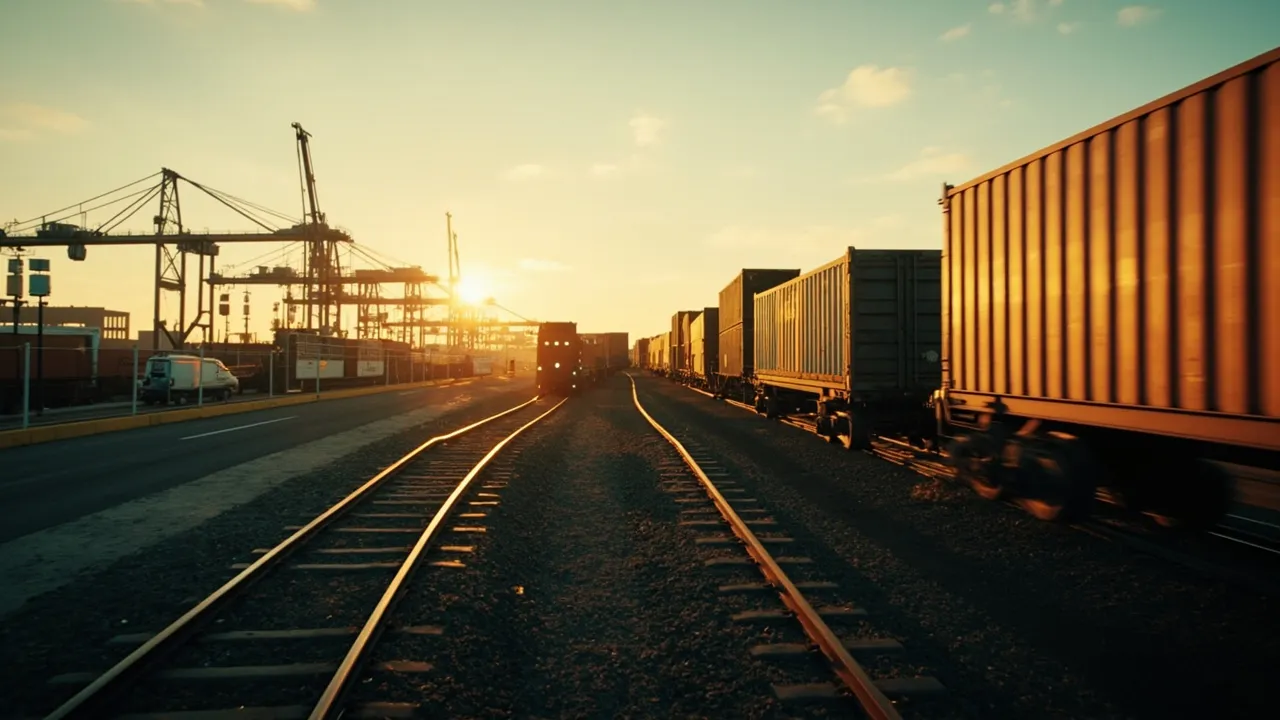
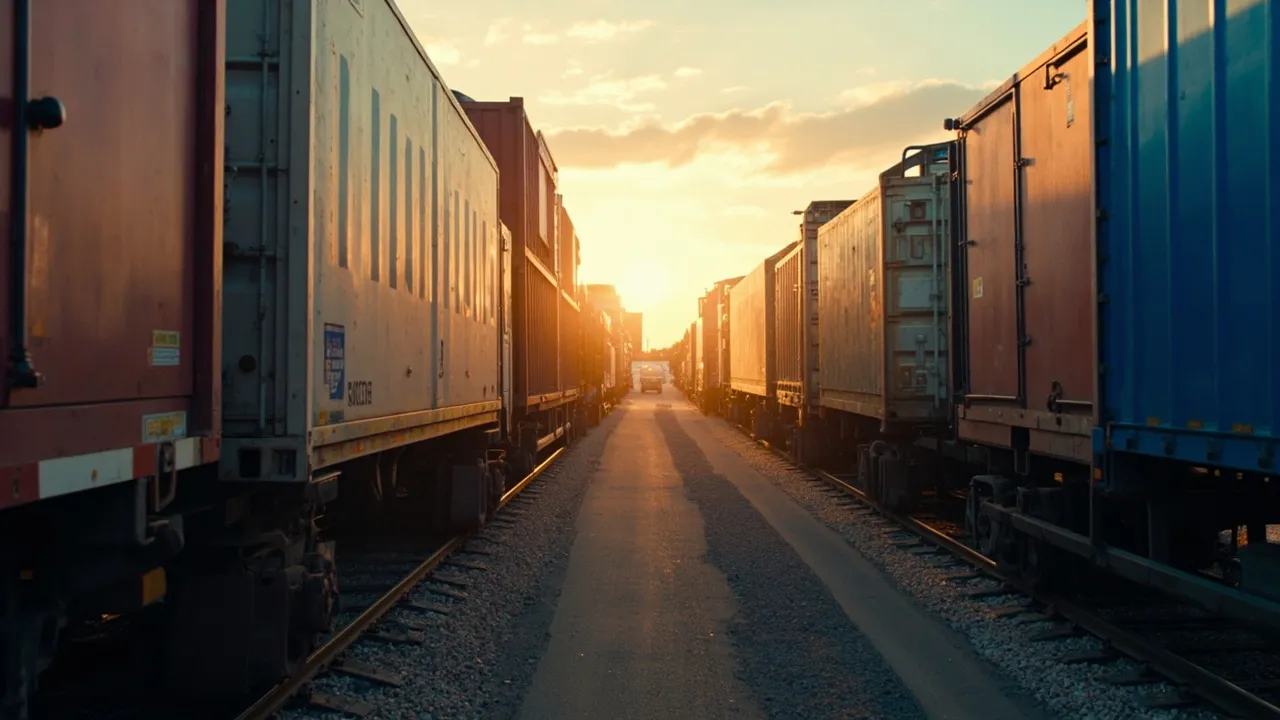
Rail Modal Group's New Majority Investor Puts Inland Export Terminals Back on the Capacity Map

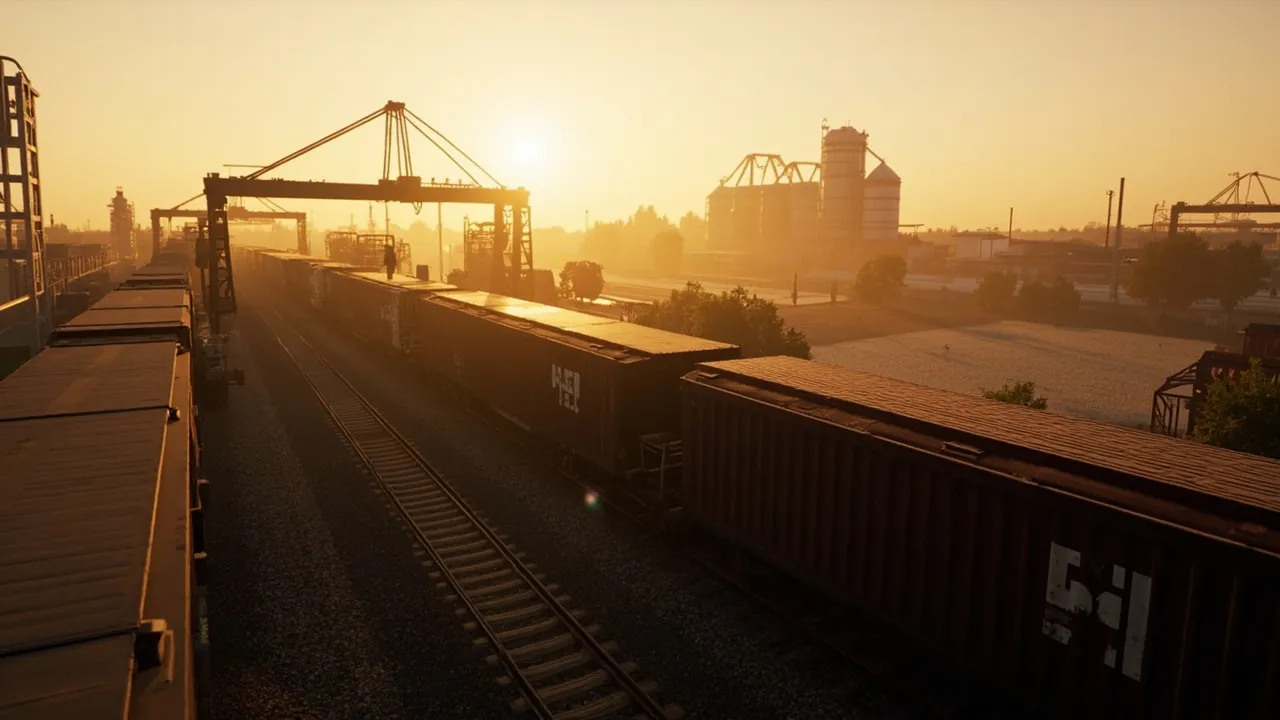
Inland exporters do not have a simple distance problem. They have a network-coordination problem: empty ocean containers accumulate near major import markets, export commodities originate hundreds of miles away, and railroad, terminal, vessel, and booking schedules must align before a loaded box can reach a ship.
That is why InfraRed Capital Partners' acquisition of a majority stake in Rail Modal Group (RMG) matters beyond the transaction itself. Logistics Management reports that InfraRed acquired the stake through one of its value-added funds; financial terms were not disclosed. Founder and CEO Greg Oberting remains invested and will continue leading the business.
The investment puts fresh capital behind a specific infrastructure model: privately operated inland terminals that reposition empty containers, consolidate exports, and build full-length trains for West Coast ports. For shippers, however, a compelling model is not automatically a viable lane. The decision still depends on volume density, equipment supply, carrier commitments, terminal cutoffs, and total landed cost.
The terminal connects an imbalanced container network
RMG was established in 2018 to serve containerized exporters located far from marine ports and conventional intermodal hubs. Its terminals work with freight railroads and ocean carriers to coordinate the move from producer to port.
The equipment imbalance creates the opportunity. RMG's CEO told Logistics Management that the United States imports roughly twice as much containerized freight as it exports. Empty boxes therefore collect in major consumption hubs such as Chicago and Dallas while agricultural and industrial products wait in rural production regions.
RMG repositions those empties into inland depots, where exporters located approximately five to 20 miles away can load them. The containers return to the export terminal, are assembled into trains, move to West Coast port terminals with on-dock service, and continue overseas.
This design replaces a collection of disconnected moves with a repeatable circuit. It can reduce long drays, avoid sending individual trucks toward distant ports, and make empty equipment useful on its return toward Asia. But the savings appear only when the circuit remains balanced and scheduled.
Scale is the first capacity test
RMG says its large terminals consolidate freight into unit trains of more than 100 railcars. Since 2018, the company reports shipping more than 1,200 unit trains—the equivalent of roughly 200 million truck miles. Those figures show meaningful operating scale, but they also reveal the model's central requirement: freight density.
A terminal cannot efficiently build long trains from occasional shipments with uncertain release dates. Exporters need enough compatible volume within the catchment area, while railroad departures must match ocean-carrier bookings and vessel cutoffs. A missed train is not merely a one-day delay if the next suitable departure, equipment pool, or sailing is constrained.
The broader market makes rail access strategically important. Inbound Logistics reports that around half of U.S. rail intermodal volume consists of imports or exports. It also cites projections that combined container throughput at Los Angeles and Long Beach could grow from 16.6 million TEUs in 2023 to 41 million by 2040. Inland capacity can help ports handle that growth, but only if the rail interface does not become the next bottleneck.
Empty miles are reduced, not magically eliminated
An inland terminal changes where trucking occurs. Instead of draying a loaded export box to a coastal port, the network can use short local moves between producers, depots, and the terminal. Rail handles the long segment.
That is attractive for heavy, lower-value commodities whose economics are sensitive to truck mileage. It can also widen container access for exporters that otherwise compete poorly with import markets for equipment. Yet the empty container must still reach the inland depot, chassis must be available, and local dray capacity must cover loading windows.
Shippers should therefore measure loaded and empty miles separately. They should also track container free time, chassis days, terminal storage, train dwell, and rejected or rolled ocean bookings. A routing that looks cheaper by linehaul can lose its advantage through equipment detention or a missed vessel.
Four dependencies determine whether the route works
Before committing volume to an inland export terminal, a shipper should test four connected dependencies:
- Volume: How many containers can the origin region release each week, and how variable is that supply by harvest, production cycle, or customer order?
- Railroad: Which carrier serves the terminal, how often do trains depart, what train-length or block requirements apply, and how is service recovered after disruption?
- Ocean carrier: Are empty containers committed by size and type, do the bookings match the rail schedule, and what happens when a sailing is rolled?
- Terminal: What are the receiving cutoff, storage capacity, lift capability, operating hours, documentation rules, and contingency options when a train cannot be built?
The questions must be answered as one operating plan. A confirmed ocean booking has little value without an available container. A container at the depot does not protect service if the commodity misses the terminal cutoff. A train departure does not guarantee export if its port arrival falls outside vessel receiving.
Compare the complete route, milestone by milestone
The proper comparison is inland intermodal versus direct port drayage—not rail rate versus truck rate. Each option needs a door-to-vessel cost and service model.
For direct drayage, include truck linehaul, fuel, driver availability, port appointment risk, congestion, chassis, storage, and detention. For the inland route, include empty repositioning, local dray, terminal lifts, storage, rail linehaul, port transfer, and the cost of schedule variability. Both models should assign a value to transit time, missed cutoffs, cargo damage exposure, and emissions if those affect customer or corporate requirements.
Operational milestones should begin with empty-equipment release and continue through depot arrival, shipper pickup, loading complete, terminal in-gate, customs documentation, train build, rail departure, port arrival, vessel acceptance, and loaded-on-board confirmation. Planned and actual timestamps expose where the inland option genuinely saves time and mileage—and where handoffs add risk.
Investment creates options; execution proves capacity
InfraRed says it plans to support capacity and resilience improvements at existing RMG terminals, broader service capabilities, and additional locations. That may expand the map for inland exporters. Shippers should welcome the added option while demanding lane-level evidence: committed equipment, dependable departures, port connectivity, and transparent exception handling.
CXTMS can model both inland intermodal and direct-port alternatives in a single routing comparison, then connect the chosen plan to bookings, container events, terminal cutoffs, rail milestones, costs, and delivery evidence. Teams can measure cost per container, empty and loaded miles, cutoff performance, dwell, rolled bookings, and on-time vessel loading rather than relying on a headline rate.
The strategic lesson is straightforward: inland terminals turn container imbalance into export capacity only when every handoff is managed as part of one route. Request a CXTMS demo to compare multimodal export options and control the milestones from empty release through vessel loading.