Lineage Idles Five More Cold Warehouses: How to Rebalance a Network During a Capacity Glut

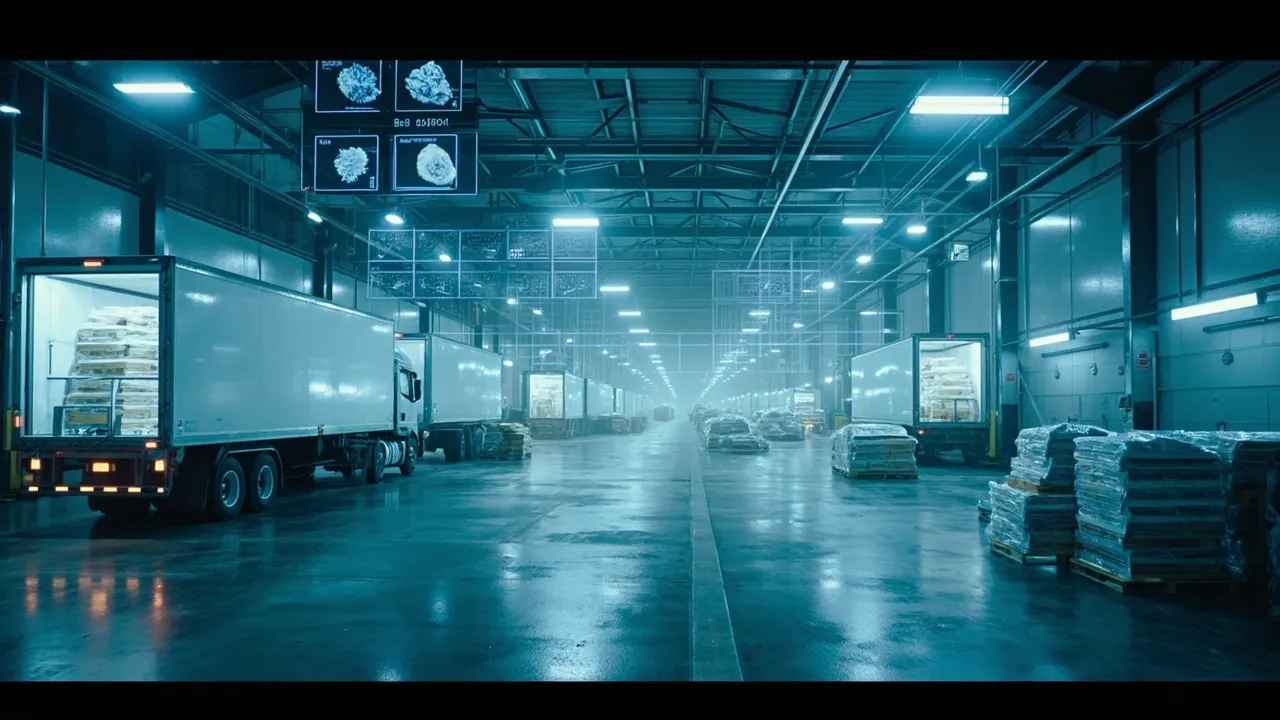
Cold-storage overcapacity is no longer an abstract real-estate problem. It is forcing facility decisions that can change the origin, mileage, dwell time, and risk profile of every affected food shipment.
FreightWaves reports that Lineage has idled five additional cold-storage facilities, bringing the total to 15 facilities since last year. The company is responding to an industrywide warehouse buildout that followed pandemic-era demand. Yet this is not a simple story of empty buildings: Lineage's same-warehouse physical occupancy reached 75.8% in the quarter, up 90 basis points year over year but down 60 basis points sequentially.
That mixed signal matters. A shipper should not interpret every closure as evidence that cold-chain demand has permanently weakened. Capacity can be excessive in one market, constrained in another, and operationally unsuitable for a particular temperature class or customer network. The right response is disciplined network rebalancing—not a rushed transfer of pallets to whichever building has space.
Distinguish temporary overcapacity from structural change
Begin with market-level evidence. Earlier in 2026, FreightWaves reported that approximately 60% of U.S. markets did not have excess cold-storage supply, while overhangs persisted in areas including Dallas, Houston, and New Jersey. This geographic split shows why national utilization figures are insufficient for network decisions.
Test each affected node against four questions:
- Is low occupancy concentrated in a seasonal trough, customer loss, or sustained regional imbalance?
- Can another facility provide the same frozen, chilled, controlled-atmosphere, blast-freezing, and food-safety capabilities?
- Does consolidation improve warehouse economics only by increasing transportation miles and emissions?
- Will customer demand, production shifts, or imports refill the market within the next 12 to 24 months?
A temporary idle may preserve strategic capacity. A permanent consolidation should require stronger proof: persistently weak demand, redundant capabilities, and a receiving network that can absorb inventory without degrading service.
Map inventory before choosing its new home
Do not transfer cold inventory by customer or pallet count alone. Build a SKU-level map containing temperature range, shelf life, lot and expiry data, dwell time, velocity, handling requirements, quarantine status, customer delivery radius, and required certifications.
Temperature class is only the first gate. Two frozen SKUs may need different humidity controls, allergen separation, export documentation, or picking processes. A facility with available cubic capacity may lack the dock labor, blast-freezing throughput, or case-picking capability needed for the actual product mix.
Customer radius deserves equal weight. Moving slow inventory 200 miles farther away may appear inexpensive inside the warehouse budget, then create higher reefer costs, more driver hours, and narrower appointment recovery windows. Model the new shipment origin against order history before approving the destination.
Demand and waste data should travel with the inventory. Food Logistics explains that connected delivery, demand, and historical product-performance data can help identify items likely to become waste. During a network move, those signals can guide transfer sequencing: short-dated, high-risk inventory should not be buried behind slower stock or subjected to unnecessary handling.
Build a controlled transfer plan
Treat the transition as a series of waves rather than one closing date. Start with stable, long-dated SKUs and low-complexity customers. Move short-dated, regulated, or high-velocity products only after the receiving node proves temperature integrity, inventory accuracy, labor capacity, and outbound performance.
Every wave needs a shipment plan covering reefer equipment, precooling, seal control, temperature-monitoring devices, loading sequence, maximum door-open time, appointment availability, and contingency capacity. Inventory remains commercially at risk while it is between validated storage positions; an accepted carrier tender is not proof of a protected cold chain.
Use a transition scorecard with at least these measures:
- Inventory control: pallets planned, moved, received, reconciled, damaged, and placed on hold.
- Temperature integrity: excursions by lane, duration, product class, and responsible handoff.
- Transportation: tender acceptance, pickup performance, transit variance, reefer availability, and cost per pallet.
- Service: orders filled, on-time delivery, appointment misses, substitutions, and customer complaints.
- Warehouse readiness: dock dwell, putaway time, pick accuracy, labor utilization, and usable occupancy.
- Economics: transfer expense, ongoing energy cost, added outbound miles, detention, and spoilage.
The scorecard prevents a false win in which facility cost falls while total landed logistics cost rises.
Preserve visibility while origins change
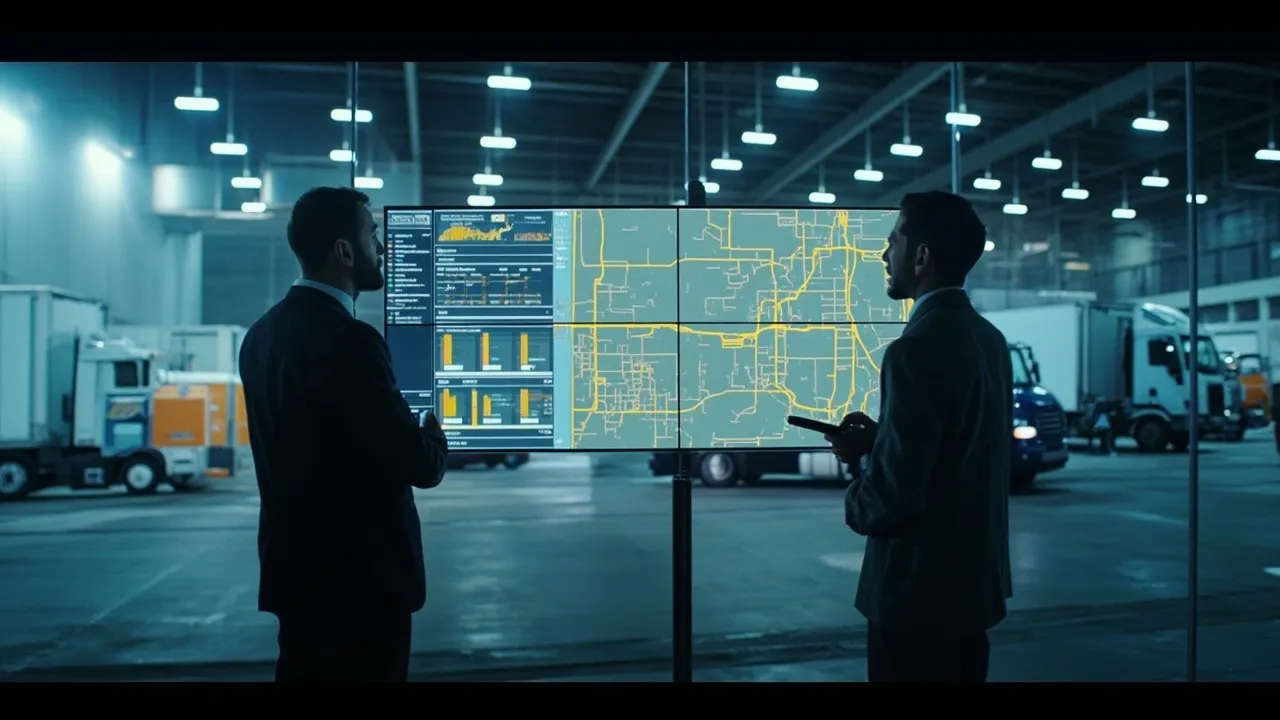
Warehouse reassignment commonly breaks reporting because master data changes faster than open orders. A transportation management system should retain both the original and replacement node, effective date, transfer-wave identifier, and reason code. Open shipments need an explicit decision: complete from the old origin, reroute before tender, or cancel and recreate under controlled rules.
CXTMS can connect orders, warehouse assignments, carrier tenders, appointments, temperature exceptions, and proof of delivery in one shipment record. Teams can then filter service failures caused by the transition instead of mixing them with normal operations. Automated alerts should flag a tender issued from an inactive origin, a delivery radius outside the new lane design, or a temperature milestone that has not arrived on time.
Maintain a rollback threshold for every wave. If inventory variance, excursion rate, tender rejection, or customer service falls outside its approved limit, pause the next transfer and stabilize the receiving node. A warehouse closure date should never override product safety or customer continuity.
Rebalance the whole network, not one cost center
Cold-storage consolidation can be rational during a capacity glut, but only if the business evaluates warehouse capability, food risk, transportation, and service together. Occupancy is a useful signal; it is not the decision by itself. The most resilient operators will use SKU-level facts, staged transfers, and shipment-level visibility to convert a disruptive facility change into a controlled network redesign.
Ready to model facility changes without losing control of cold-chain execution? Request a CXTMS demo to see how unified transportation visibility supports network transitions from tender through delivery.