Brazil's Ethanol-Powered Boxship Makes Marine Fuel Optionality an Operating File

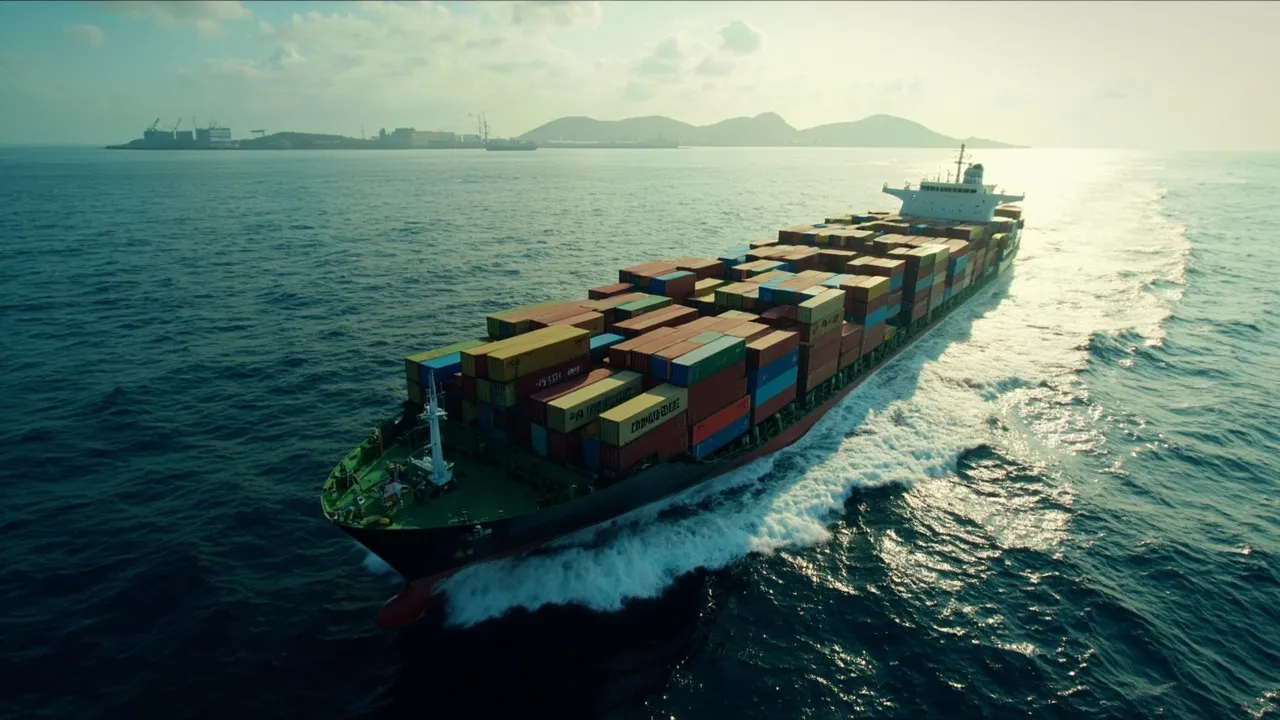
Alternative marine fuels are moving from sustainability presentations into shipment execution. That shift became harder to ignore when SupplyChainBrain reported that the first container ship to run on Brazilian-made ethanol fuel set sail early on July 14 from the port of Santos.
For ocean shippers, the story is bigger than one sailing. The practical question is whether a "green" voyage can be documented, priced, audited, and recovered when the fuel pathway changes. Ethanol, methanol, LNG, biofuel blends, conventional bunker fuel, and future low-carbon fuels all create different operating facts. A shipment record has to know which facts applied to the actual move.
That is where marine fuel optionality becomes a logistics-control problem. Optionality sounds strategic when carriers talk about dual-fuel vessels. It becomes operational when a shipper asks which lane qualifies for an emissions claim, which surcharge should apply, whether the carrier used a fallback fuel, and what proof belongs in the customer file.
Fuel Choice Is Becoming Lane Choice
The Santos sailing matters because Brazil has a real ethanol supply base and a major export platform. But the key lesson for shippers is not "ethanol won." It is that alternative fuel availability will be uneven by port, route, vessel, carrier, season, and certification pathway.
That makes lane choice more complicated. A shipper may be offered a lower-emissions ocean product on one rotation but not another. A carrier may be able to bunker alternative fuel at origin, but not at transshipment. A vessel may be technically capable of using a lower-carbon fuel while the voyage still depends on conventional fuel for part of the route.
If that nuance sits in a sustainability spreadsheet, transportation teams will lose it. The shipment file needs to carry the fuel option alongside the booking, vessel, voyage, port pair, cost, emissions factor, and customer promise. Otherwise, the organization will market one version of the move, pay another, and audit a third.
Ocean Freight Is Already Operating Under Pressure
Fuel optionality is emerging in a market that is not calm. Logistics Management's 37th State of Logistics ocean coverage says ocean shipping remains under pressure from geopolitical conflicts, port congestion, and rising fuel costs, with those forces disrupting trade flows and pushing transportation rates higher into peak season.
The same report warns shippers to strengthen carrier relationships, monitor fuel surcharges, and build more flexibility into supply chain strategy. That advice becomes more important as fuel choices multiply. Traditional bunker adjustment factors were already hard enough to reconcile. A multi-fuel ocean network adds more questions: which fuel index was used, what premium was charged, what emissions value was promised, and what happened if the planned fuel was unavailable?
This is why fuel optionality cannot be treated as a branding layer. It affects procurement, routing, surcharge review, carrier scorecards, customer reporting, and Scope 3 evidence. A freight team should be able to answer those questions from the shipment record, not by chasing emails after finance receives the invoice.
Bunkering Infrastructure Will Decide What Is Real
The infrastructure side is still uneven. Mordor Intelligence's bunker fuel market outlook reports that ship-to-ship transfers led bunkering methods with 39.9% share in 2025, while LNG barge-to-ship operations are forecast to grow at a 30.1% CAGR through 2031. In a related maritime equipment signal, Mordor estimates the marine propulsion engine market at USD 39.69 billion in 2026, growing to USD 45 billion by 2031.
Those figures point to the same reality: marine fuel transition is an asset-and-infrastructure transition, not a simple product switch. Ports need bunkering capability. Vessels need compatible engines and storage. Carriers need procurement contracts. Shippers need documentation that survives commercial review.
For a logistics team, the most useful question is not whether alternative fuels are promising. They are. The useful question is whether each lower-emissions move has enough evidence to support the operational claim and the commercial charge.
Separate The Claim From The Evidence
Every green ocean move should carry a compact operating file. Start with the vessel and voyage. Which ship moved the container, and which sailing is tied to the emissions claim? A generic carrier-level statement is not enough when customers are reporting shipment-level emissions.
Add the fuel pathway. Was the fuel ethanol, methanol, LNG, biofuel blend, or conventional bunker fuel with certificates? Was it physically used on the voyage, book-and-claim, mass-balanced, or otherwise attributed? Each model may be legitimate, but each requires different evidence.
Record the certificate or proof source. That could include carrier documentation, fuel supplier evidence, lifecycle-emissions methodology, port bunkering record, or program certificate. The point is not to bury operators in carbon-accounting jargon. The point is to make sure the claim can be checked later.
Attach the emissions factor. If a customer receives a lower-carbon freight claim, the shipment should show which factor was used and who approved it. That protects the shipper from overstating reductions and protects sales teams from making unsupported promises.
Document the surcharge logic. Alternative fuel premiums may appear as contract rates, green-service adders, bunker adjustments, or sustainability surcharges. Procurement needs to know what was paid for and whether the charge matched the booked service.
Name the fallback fuel rule. Dual-fuel capability is useful because it provides resilience, but fallback use changes the evidence. If the alternative fuel was unavailable, the shipment record should show whether the emissions claim changed, whether the surcharge changed, and who notified the customer.
Finally, assign a customer claim owner. Sustainability, transportation, procurement, finance, and sales all touch these moves. Someone has to own the final statement that goes to the customer.
Make Optionality Executable
The ethanol-powered sailing out of Santos is a useful signal because it shows alternative marine fuel moving into commercial ocean freight. But the winners will not be the shippers with the most enthusiastic sustainability copy. They will be the ones that can prove what happened load by load, lane by lane, and invoice by invoice.
CXTMS helps freight forwarders and logistics teams keep that proof attached to execution. Bookings, carrier assignments, vessel data, documents, cost rules, emissions references, exception notes, and customer communication can live in one operating layer instead of scattered across inboxes and sustainability spreadsheets.
If your ocean freight team is being asked to support greener service options, request a CXTMS demo. CXTMS helps turn marine fuel optionality into shipment-level evidence before the surcharge, the emissions claim, or the customer question arrives.