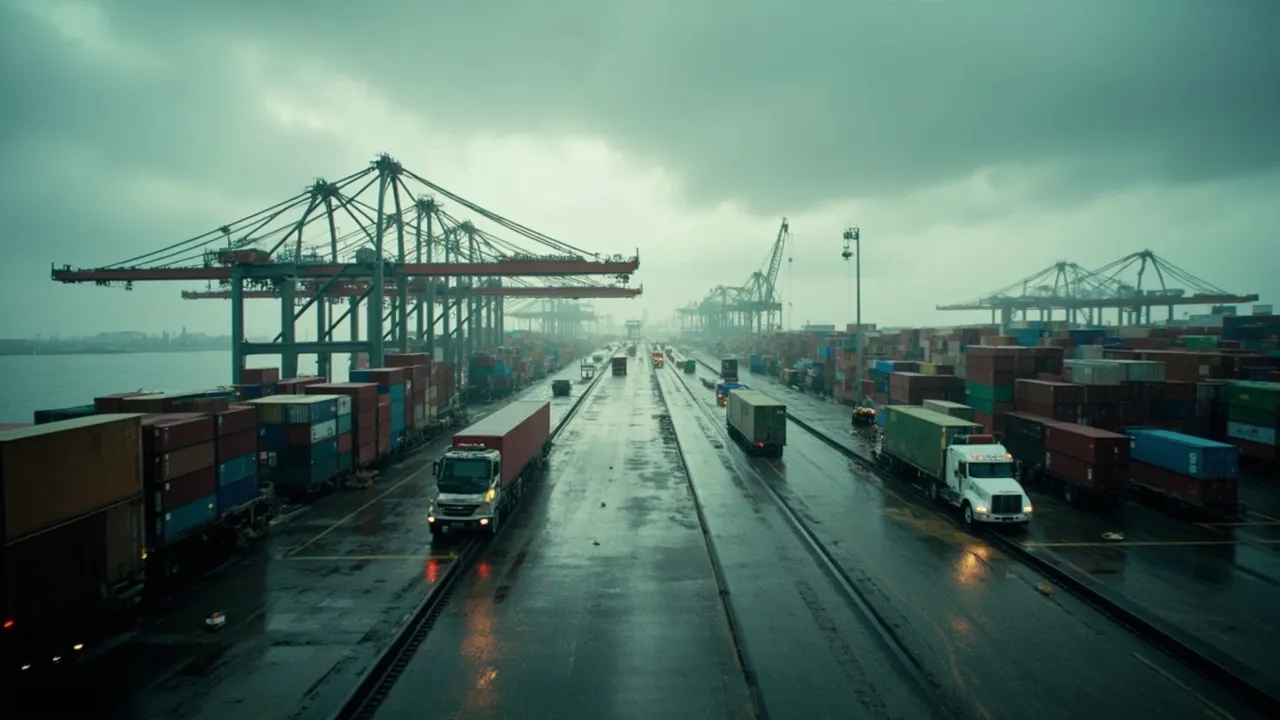
Sea Sponges in Polluted Harbors: Measuring Nature-Based Port Remediation Without Disrupting Cargo

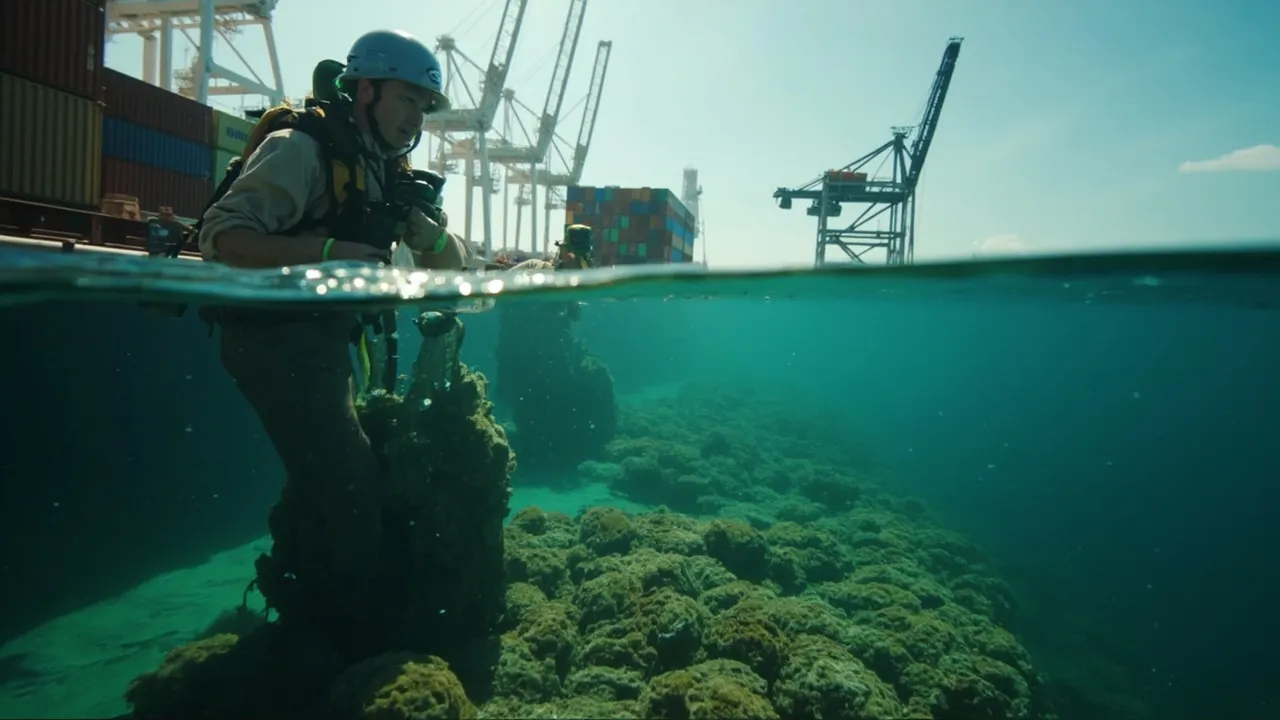
Nature-based remediation is moving from an appealing environmental concept toward a measurable port-operating question. A recent Spanish trial found that one hardy sea sponge could survive, reproduce, and attract other marine life in polluted harbor water. That does not make sponges a substitute for dredging or wastewater treatment. It does suggest that ports now have enough evidence to design controlled pilots around working berths.
The operational challenge is straightforward: environmental improvement cannot obstruct navigation, interfere with inspections, create biosecurity problems, or add unpredictable maintenance near cargo infrastructure. A successful program therefore needs to be managed like any other port asset—with defined locations, service windows, thresholds, owners, and performance data.
What the 15-month trial actually showed
SupplyChainBrain reports that researchers selected five abundant sponge species from Spain's coast, excluding sensitive and protected species, and relocated them to a polluted harbor about 18 miles away. Divers inspected the organisms at intervals ranging from 20 to 64 days over 15 months.
Most candidates failed. Red encrusting, leather, and stinker sponges shrank and eventually died. The chicken liver sponge produced a dramatically different result: 92% survived, and asexual reproduction increased the population from 24 specimens to 40—nearly a 67% gain. Red starfish also settled in the trial area, an early indication that conditions around the surviving sponges may have become suitable for other organisms.
Those numbers matter because they shift the discussion from whether any sponge can tolerate a harbor to which species can persist under a particular contaminant, temperature, salinity, and flow profile. They also underline the danger of deploying an untested species at scale. Four biological responses were poor; only one created a credible basis for further study.
Complement engineered treatment, not replace it
Sponges are filter feeders. They move water through their bodies, capture particles and microorganisms, and participate in nutrient cycling. This makes them interesting for chronic, dispersed water-quality problems. It does not make them an answer to contaminated sediment, an acute chemical spill, sewage inflow, or a navigation channel that has lost depth.
Dredging physically restores channel and berth geometry and can remove contaminated sediment. Engineered systems treat known waste streams with controllable capacity. Source control prevents pollution from entering the basin. Sponge installations would occupy a different layer: continuous biological filtering at carefully chosen seawalls, pilings, breakwaters, or ecological modules after major pollution sources have been controlled.
That distinction protects both environmental credibility and terminal performance. The port should never delay required dredging because a biological pilot is underway. Inbound Logistics' review of current port infrastructure shows the scale of conventional work: Houston's Project 11 is widening its ship channel from 530 to 700 feet and deepening some upstream sections to 46.5 feet. A sponge habitat cannot perform that navigation function. It may, however, help improve ecological conditions along adjacent structures once heavy construction is complete.
Build a port-ready measurement framework
A port pilot needs a baseline before the first organism is installed. Operators should map candidate zones against berth pockets, turning basins, dredging footprints, outfalls, stormwater paths, propeller-wash areas, security zones, and planned construction. A control site without sponges is essential; otherwise seasonal changes may be mistaken for a treatment effect.
The scorecard should cover four groups of metrics:
- Water quality: turbidity, dissolved oxygen, temperature, salinity, nutrients, bacterial indicators, hydrocarbons, and relevant metals measured upstream, at the installation, and downstream.
- Biology: survival, growth or shrinkage, reproduction, filtration performance, disease, tissue contaminant load, and the diversity of organisms settling nearby.
- Infrastructure and maintenance: attachment integrity, debris accumulation, corrosion interaction, diver hours, cleaning frequency, damage from wake or propeller wash, and cost per treated area.
- Cargo operations: berth availability, vessel-delay minutes, crane or mooring conflicts, restricted-water events, inspection duration, and any unplanned removal of installations.
The Spanish trial's 20-to-64-day inspection cadence offers a useful research reference, but an active terminal should add event-based checks after storms, spills, dredging, pile work, or unusually high vessel traffic. Sensors can provide continuous water readings; divers or remotely operated vehicles can verify biological and structural condition without requiring long closures.
Treat biosecurity as a go/no-go gate
Survival alone is not success. A species that reproduces well could become a management problem outside its intended zone. Ports should favor locally abundant, non-protected organisms, as the Spanish researchers did, and obtain environmental permits before relocation. The plan should include containment where feasible, genetic or photographic identification, disease screening, disposal rules, and a rapid-removal trigger.
Trigger examples include unexpected spread beyond the pilot boundary, measurable obstruction of drainage or inspection access, mortality above a set threshold, accumulation of contaminants that makes handling hazardous, or colonization by an invasive hitchhiker. Regulators, harbor masters, terminal operators, environmental teams, and labor representatives should approve those thresholds before deployment.
Schedule remediation around vessel flow
The safest pilot zones are usually away from frequent line handling, fender contact, thruster turbulence, and recurring maintenance. Installation can be placed in low-volume windows already reserved for underwater inspections or quay maintenance. Vessel schedules and berth plans should then become inputs to every service visit.
A transportation management platform can support that coordination by showing expected arrivals, berth-related delivery flows, and exception risk. The environmental work order should be moved when a late vessel compresses the berth window, not when a dive team is already in the water. Likewise, a planned dredging campaign should automatically suspend sampling comparisons that would be distorted by sediment movement.
Ports should begin with one seasonally representative, reversible pilot—not a harborwide rollout. If the installation demonstrates biological benefit without vessel delays, safety incidents, biosecurity breaches, or excessive maintenance, the port can expand by zone. The strongest business case will combine verified water-quality improvement with zero interference to cargo throughput.
Nature-based remediation will earn its place in ports through disciplined measurement, not novelty. The chicken liver sponge trial provides a promising signal. Port operators now need to prove that the biology can coexist with the unforgiving timing of freight.
Want environmental initiatives and freight execution planned from the same operational picture? Request a CXTMS demo to see how connected scheduling and exception management can keep cargo moving.