Commercial Wind Propulsion Is Scaling: Add Vessel Technology to Ocean Freight Decisions

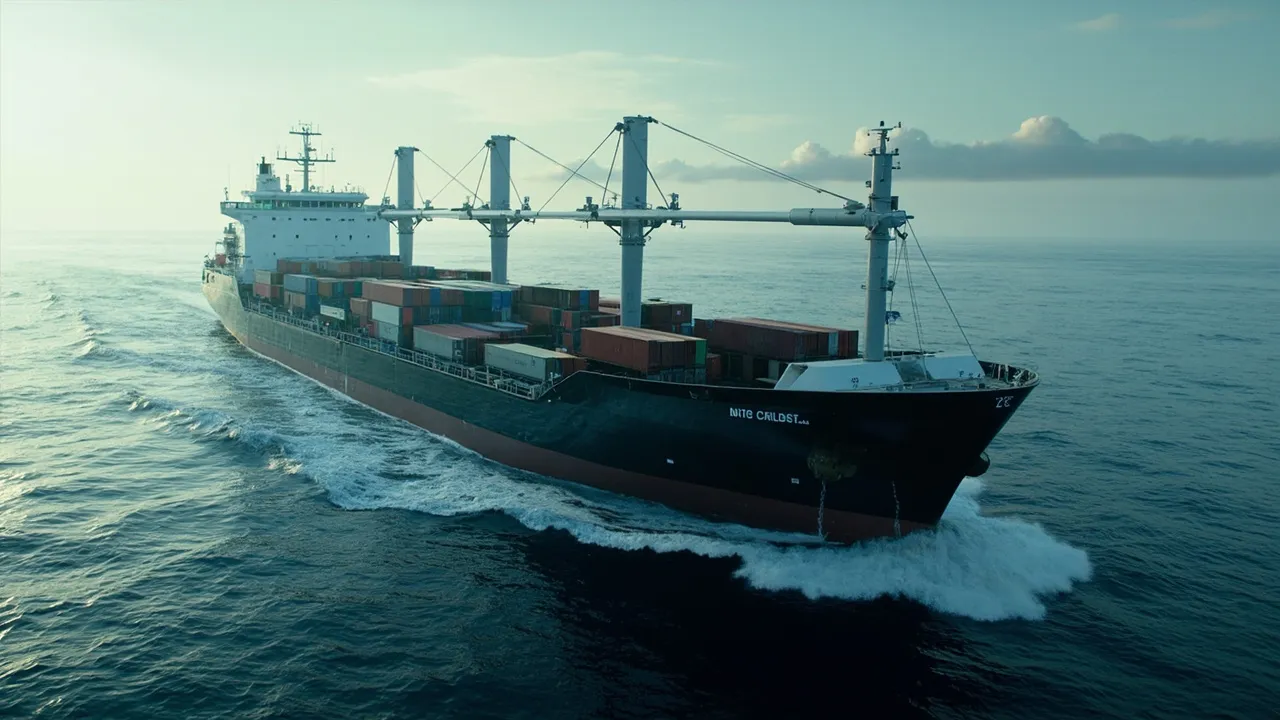
Wind propulsion is returning to commercial shipping, but not as a nostalgic replacement for engines. Modern systems—rotor sails, rigid wings, suction wings, and automated kites—supplement a vessel's main propulsion and reduce the fuel needed to maintain speed. That makes vessel technology relevant to freight procurement, carbon reporting, and routing decisions.
The market has moved beyond isolated demonstrations. SupplyChainBrain reports that more than 100 commercial vessels now operate with wind propulsion installed, representing over 6 million deadweight tons of cargo capacity. The publication also notes that repeat orders and fleet-level investment strategies are increasingly replacing one-off projects.
For forwarders and shippers, that growth creates a new data problem. A carrier name and service string no longer describe the full emissions profile of an ocean move. The specific vessel, installed equipment, route, speed, loading condition, and weather can all influence the result.
Why Wind Assistance Is Growing Now
Ocean shipping produces roughly 3% of global greenhouse gas emissions, according to the International Maritime Organization data cited by Inbound Logistics. Operators face growing pressure to reduce those emissions while the cost and availability of alternative fuels remain uncertain.
Regulation is making efficiency financially material. Shipping entered the European Union Emissions Trading System in 2024, and the phase-in reaches full coverage of applicable emissions in 2026. Reuters has also reported that FuelEU Maritime imposes greenhouse-gas-intensity requirements and that the United Kingdom planned to extend its emissions trading system to shipping in 2026.
Wind assistance appeals because it can reduce conventional fuel consumption without waiting for an entirely new bunkering network. It may be retrofitted to some existing ships or designed into new vessels, and the energy source itself carries no fuel price. Still, installed hardware is not the same as verified performance.
Savings Depend on the Vessel and Voyage
A wind system's value changes from sailing to sailing. The direction and strength of wind matter, but so do hull design, deck space, vessel speed, cargo loading, and routing flexibility. Equipment that performs well on a long route with favorable crosswinds may contribute far less on a sheltered or frequently becalmed lane.
Operational choices complicate comparisons further. A vessel can use wind energy to reduce engine power while holding speed, or to increase speed without a proportional fuel increase. Those outcomes are commercially different. One lowers fuel and emissions directly; the other may improve schedule recovery while producing a smaller environmental gain.
Shippers should therefore be cautious with a single fleet-wide fuel-saving percentage. Ask for voyage-level evidence that distinguishes modeled savings from measured results. Useful records include:
- the vessel's IMO number and installed propulsion technology;
- the equipment's rated area or power contribution and installation date;
- baseline and actual fuel consumption for comparable voyages;
- distance, speed, cargo load, wind conditions, and time the system was active; and
- the methodology used to allocate savings and emissions to individual shipments.
The comparison baseline deserves particular scrutiny. Performance should be measured against the same vessel operating under comparable speed, draft, route, and weather conditions—not against an unusually inefficient ship or a theoretical industry average.
Make Propulsion a Procurement Data Field
Ocean procurement systems typically compare rate, transit time, sailing frequency, free time, reliability, and equipment availability. Wind assistance should become another structured attribute rather than a note buried in a carrier presentation.
At booking, capture the nominated vessel when available, its IMO number, propulsion category, installed wind technology, and whether the carrier offers verified voyage-level emissions data. When a vessel substitution occurs, preserve both the planned and actual vessel. Otherwise, a shipment may retain a sustainability claim tied to equipment that never moved the cargo.
This data can support three practical workflows. Procurement teams can identify services where lower-emission equipment is consistently deployed. Operations teams can flag substitutions that change the expected footprint or schedule. Sustainability teams can reconcile carrier reports with actual shipment and vessel events.
That integration matters during disruption. Inbound Logistics argues that measures such as fuel consumption per shipment belong in the same operational dashboards used for risk and performance. When cargo is rerouted, rolled, or moved to another vessel, the carbon estimate should change along with the operational plan.
Test Any Green Premium Before Paying It
A wind-assisted service may justify a premium, but only when the buyer understands what is being purchased. Before accepting one, forwarders should ask:
- Is the equipment installed on the vessel expected to carry the shipment, or merely elsewhere in the carrier's fleet?
- Are claimed savings measured for the actual voyage, modeled for the route, or estimated from a fleet average?
- Does the carrier provide fuel, distance, and emissions methodology that can be audited?
- How are vessel substitutions, port omissions, and weather-driven route changes reflected?
- Does the premium buy a verified reduction, an allocation certificate, or only access to a marketed service?
- Who owns the environmental attribute, and can it be claimed by more than one customer?
Buyers should also compare the wind option with schedule reliability, total transit, transshipment exposure, and landside emissions. A lower-emission sea leg can lose part of its advantage if an unreliable schedule triggers airfreight, emergency trucking, or excess inventory.
Build a Vessel-Level Decision Record
Wind propulsion is scaling quickly enough to influence real freight decisions, but not uniformly enough to support a simple "green vessel" label. The strongest approach is a shipment-level record connecting the booked service to the actual vessel, propulsion technology, operational events, fuel methodology, and emissions result.
CXTMS can bring carrier options, vessel milestones, exceptions, costs, and sustainability attributes into one transportation workflow. That gives forwarders the evidence to evaluate a green premium without sacrificing service control.
Request a CXTMS demo to see how vessel-level data and carbon metrics can become part of everyday ocean freight planning.