A 30-Year Port of Los Angeles Lease Needs a Terminal-Modernization Scorecard

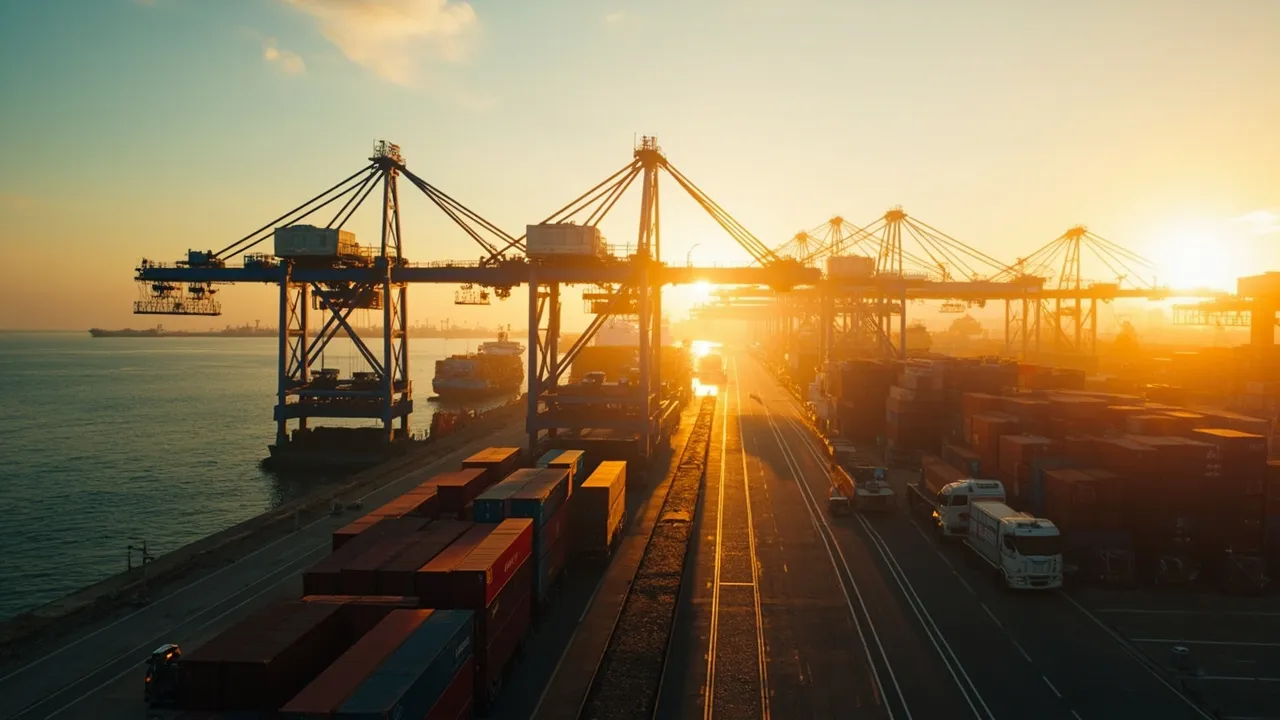
A 30-year terminal lease is an infrastructure commitment measured in decades, but shippers cannot wait until 2056 to learn whether it improved freight flow. The Port of Los Angeles' renewed agreement with Yusen Terminals creates the right horizon for capital investment. It also creates a need for annual, operational proof.
SupplyChainBrain reports that the lease keeps Yusen at the port through at least 2056 and includes a $200 million investment in zero-emission cargo-handling equipment. The roughly 232-acre terminal is therefore more than a real-estate asset. It is a long-duration operating platform whose equipment, gates, rail connections, berths, and data should become measurably more reliable.
Turn a 30-year promise into annual milestones
Long leases can support electrification and infrastructure projects that are difficult to justify under short agreements. Yet a dollar commitment alone does not show when equipment will arrive, what it will replace, or how performance will change.
The lease should be translated into a public modernization roadmap with annual milestones across five operating areas:
- Cargo equipment: Number and share of cranes, top handlers, yard tractors, and other units replaced or converted; commissioning dates; charging or hydrogen availability; and uptime after deployment.
- Emissions: Fuel displaced, equipment operating hours by power source, and emissions per container move—not merely equipment purchased.
- Rail: On-dock rail lift capacity, train departure reliability, average time from discharge to rail loading, and the share of eligible cargo moving by rail.
- Gates: Appointment availability, turn-time distribution, no-show rates, queue time, and performance during peak arrival windows.
- Berths and yards: Berth productivity, crane moves per hour, yard utilization, rehandles, and vessel working time.
Each milestone needs a baseline, target date, owner, data source, and exception explanation. That structure distinguishes a funded project from an operating result.
Modernization must hold up under volume
Port upgrades matter most when the network is under pressure. SupplyChainBrain reported that Los Angeles handled more than 1 million TEUs in June 2026, only the third month in the port's history above that threshold. A separate Supply Chain Dive report said the port expected to process more than 900,000 container units in both June and July.
That scale makes averages dangerous. A monthly gate-turn average can look acceptable while importers experience severe delays on specific shifts, services, or container categories. Likewise, strong crane productivity does not help a shipper if holds, appointment scarcity, chassis constraints, or late event messages prevent pickup.
The scorecard should therefore show medians and percentiles, not just averages. The 90th-percentile container dwell and truck turn time reveal the costly tail of the operation. Results should also be segmented by import, export, empty, rail, carrier service, weekday, and shift. Modernization is credible when the worst routine outcomes improve while throughput rises.
Measure what the shipper experiences
Terminal operators naturally track equipment and asset productivity. Cargo owners need an adjoining set of shipment-facing measures:
- Discharge-to-availability time: Hours from the container leaving the vessel to a reliable availability event.
- Availability-to-appointment time: How long an importer must wait for a usable pickup slot after cargo is available.
- Appointment success rate: The percentage of appointments completed within the planned window, with terminal-caused failures separated from motor-carrier no-shows.
- Import dwell: Median and 90th-percentile time to terminal departure, segmented by rail and truck moves.
- Event timeliness and accuracy: The share of discharge, availability, hold, appointment, out-gate, and rail-departure events sent within an agreed interval and later left uncorrected.
- Cost exposure: Demurrage, detention, storage, and recovery trucking attributable to missed or late terminal milestones.
These measures keep the scorecard grounded in cargo flow. A zero-emission yard tractor is a meaningful environmental investment; when paired with higher uptime and fewer disrupted moves, it is also a service investment.
Connect clean equipment to operating resilience
The $200 million commitment should not be judged only by the number of electric or hydrogen-powered units acquired. New equipment changes dependencies. Charging capacity, grid connections, maintenance skills, spare parts, software, and fallback procedures all become part of terminal resilience.
For every equipment class, the scorecard should publish planned availability, actual uptime, mean time to repair, energy availability, and backup coverage. It should also record whether new assets reduce noise, local emissions, and energy consumed per move. If a charging constraint idles equipment during a vessel surge, the environmental program has exposed an operating bottleneck that needs correction—not a reason to abandon the program.
This is why capital, sustainability, and service metrics belong in one view. Separate reports allow an emissions success and a throughput failure to coexist without explanation.
Make terminal events actionable in the TMS
Annual reporting is useful for accountability, but dispatchers need event data during each shipment. Terminal milestones should feed the transportation management system through standardized, time-stamped messages.
When a discharge event arrives, the TMS can update the pickup forecast. Availability and customs-release events can open appointment workflows. A new hold can pause dispatch and alert the responsible party. If rail departure slips or truck appointment supply tightens, the system can recalculate delivery risk and compare alternate recovery plans before free time expires.
The integration also creates an evidence trail. Planned and actual milestones can be joined to appointment attempts, carrier tenders, accessorial invoices, customer promises, and final delivery. Over time, that record shows whether terminal modernization is improving outcomes by lane and shipment type—not just whether port-wide averages moved.
Govern the lease like an operating partnership
A practical review cadence combines daily exception management, monthly operating reviews, quarterly capital milestones, and an annual public scorecard. Targets should tighten in stages as equipment and infrastructure enter service. When a target is missed, the report should identify the cause, corrective action, owner, and new due date.
Thirty years is enough time to transform a terminal, but only if the work is broken into visible increments. The strongest measure of the Yusen lease will not be the length of the agreement or the capital announced on day one. It will be whether shippers see more predictable availability, shorter dwell, reliable appointments, better event data, and cleaner container moves year after year.
Ready to connect terminal events, appointments, costs, and delivery risk in one operating workflow? Request a CXTMS demo and see how shipment-level visibility turns port data into action.