Power and Utility Supply Chains Need Outage-Critical Freight Classification

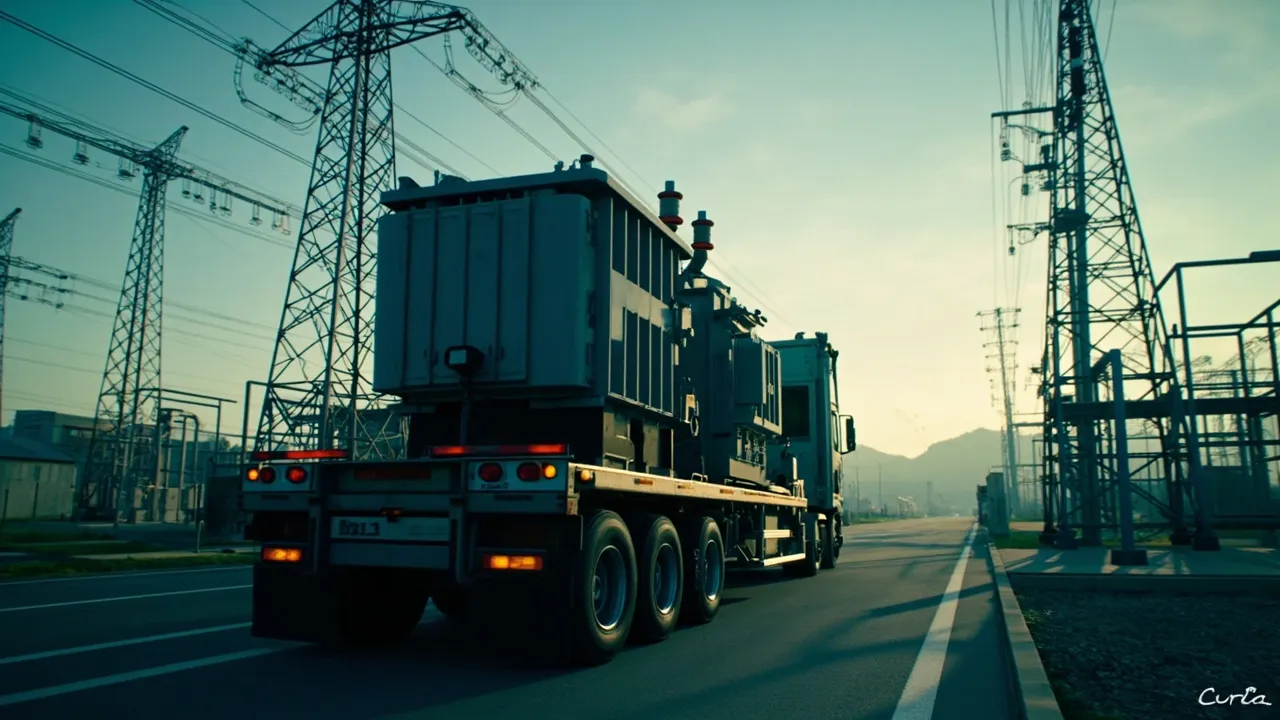
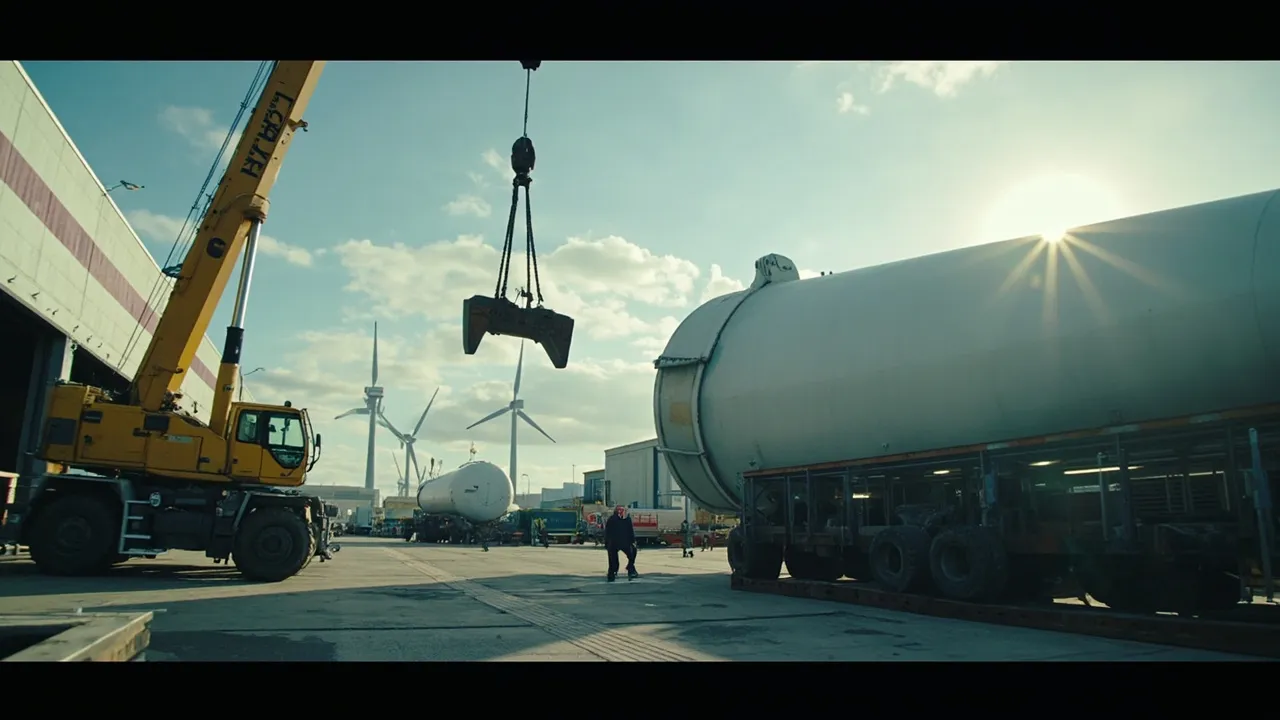
Utility logistics has an uncomfortable habit of making ordinary freight categories do extraordinary work. A transformer, switchgear cabinet, circuit breaker, pole-top assembly, substation control component, or emergency repair part can all appear in a transportation system as "industrial equipment." That label is technically true and operationally useless when the shipment is tied to outage restoration, grid capacity, or a crew window that cannot be recovered.
Deloitte's 2026 Power and Utilities Industry Outlook makes the pressure plain. The report says the U.S. Department of Energy projects about 104 GW of coal and natural gas retirements by 2030, offset by 209 GW of new capacity, but only 10% of those additions are expected to be firm baseload. It also notes that nearly 19 GW of gas-powered capacity is planned through 2028, while utilities are trying to keep firm capacity projects on schedule.
That is not just an energy-planning problem. It is a logistics classification problem.
When capacity margins tighten and grid projects become harder to delay, the freight record needs to show more than weight, dimensions, origin, destination, and carrier. It needs to show whether a shipment protects restoration time, interconnection timing, construction sequencing, public-safety response, or a customer service commitment. Utility supply chains need outage-critical freight classification.
Critical Equipment Is Already Supply-Constrained
Deloitte reports that lead times for critical grid equipment such as transformers and switchgear have stretched to multiple years, while equipment and project costs continue to rise. It also says the cost of a new gas-fired power plant has surged to more than two and a half times the cost of projects built just a few years ago. In response, utilities are reshoring, diversifying suppliers, using dual-source strategies and multi-award contracts, and reserving production slots years in advance.
Those steps are sensible, but they do not solve the execution problem. A production slot reserved three years ahead can still turn into a field failure if the shipment is treated like routine capital equipment after it leaves the factory. A transformer that misses a heavy-haul permit date, a switchgear delivery that arrives after the crew has demobilized, or a repair part that gets buried behind lower-priority freight can convert supply scarcity into outage exposure.
Reuters has covered the same stress from the supply side. In August 2025, Reuters reported that Wood Mackenzie expected U.S. shortages of 30% for power transformers and 10% for distribution transformers that year as electricity consumption increased. In December, Reuters also reported that large power transformers were in especially high demand and that limited manufacturing capacity had produced long U.S. delivery times.
That environment changes the meaning of a late shipment. For consumer goods, a delay may create lost sales or a service complaint. For utilities, a delay can affect outage restoration, grid reliability, capital project schedules, regulator scrutiny, and emergency work. The shipment class should make that distinction visible before the exception happens.
Build an Outage-Critical Freight Class
The first field is asset criticality. Is the item tied to generation, transmission, distribution, substation protection, emergency restoration, customer interconnection, or routine maintenance? A generic equipment code does not tell a transportation planner whether the shipment should jump the queue when capacity tightens.
Site dependency comes next. Some utility freight can arrive early and sit in a laydown yard. Other freight is useless until civil work is complete, a crane is available, a road closure is approved, or an energized work window opens. The shipment record should identify the dependent site event and the consequence of missing it.
Permit need should be explicit. Heavy-haul moves, oversize loads, escort requirements, bridge restrictions, curfew rules, and route surveys are not back-office details. They are schedule risks. If a transformer requires a permit sequence across several jurisdictions, the transportation record should expose each approval gate and the latest acceptable ship date.
Handling requirement is another critical attribute. Utility parts can require shock monitoring, weather protection, special lifting plans, orientation limits, bonded storage, or security controls. A shipment that is physically delivered but handled incorrectly has not really been delivered.
Crew window belongs in the freight class, too. For outage work, the receiving event is not simply "arrived." It is "arrived before the crew, crane, contractor, switching order, and safety plan lose alignment." If the shipment misses that window, the transportation delay can multiply into labor standby, rescheduling, and longer customer exposure.
Alternate source should be defined before the emergency. If a part is outage-critical, the system should show whether another warehouse, supplier, utility mutual-aid partner, or emergency vendor can provide a substitute. It should also identify whether the alternate item is technically equivalent or merely similar.
Finally, emergency routing rules need to be attached to the class. Can this item move by expedited truck, charter air, team driver, dedicated flatbed, rail, barge, or helicopter support? Which options are forbidden because of size, handling, hazmat, value, or security? During an outage, no one should be rebuilding routing logic from memory.
Logistics Volatility Makes Classification More Valuable
The broader logistics environment is not getting simpler. Logistics Management's coverage of the 37th State of Logistics report says U.S. business logistics costs totaled $2.4 trillion, or 7.8% of GDP. It also says ongoing disruption from geopolitical conflicts, trade policy shifts, energy challenges, labor shortages, and rising operating costs is creating a new operating reality for logisticians. The report frames the management shift as moving from periodic optimization to continuous adaptation.
That is exactly the kind of environment where utility freight needs better labels. If every urgent shipment is escalated by email, the loudest exception wins. If the TMS can distinguish outage-critical freight from ordinary replenishment, project freight, maintenance stock, and administrative material, escalation becomes evidence-based.
An outage-critical class also helps finance and operations talk to each other. Expediting a replacement part may look expensive on a freight invoice, but it may be cheap relative to an extended outage, a failed construction milestone, or a lost interconnection date. The classification gives the organization a way to approve premium freight based on consequence, not panic.
Where CXTMS Fits
CXTMS helps utilities and infrastructure operators turn critical-part visibility into executable transportation control. The goal is not to label every shipment as urgent. The goal is to create a controlled freight class for the shipments where timing, handling, permits, crews, and site readiness have infrastructure consequences.
With CXTMS, teams can connect asset criticality, site dependency, permit requirements, handling rules, crew windows, alternate sources, and emergency routing logic to the shipment record. When a carrier delay appears, the system can prioritize exceptions by outage exposure. When a project schedule shifts, planners can see which grid components are affected. When a delivery is completed, the evidence is attached to the same workflow that managed the move.
Utility supply chains do not need more generic urgency flags. They need freight records that understand the difference between ordinary equipment and outage-critical infrastructure. If your team is still managing grid-part exceptions through spreadsheets, email threads, and manual escalations, schedule a CXTMS demo. CXTMS helps infrastructure logistics teams classify, prioritize, and prove the moves that keep restoration and grid projects on track.