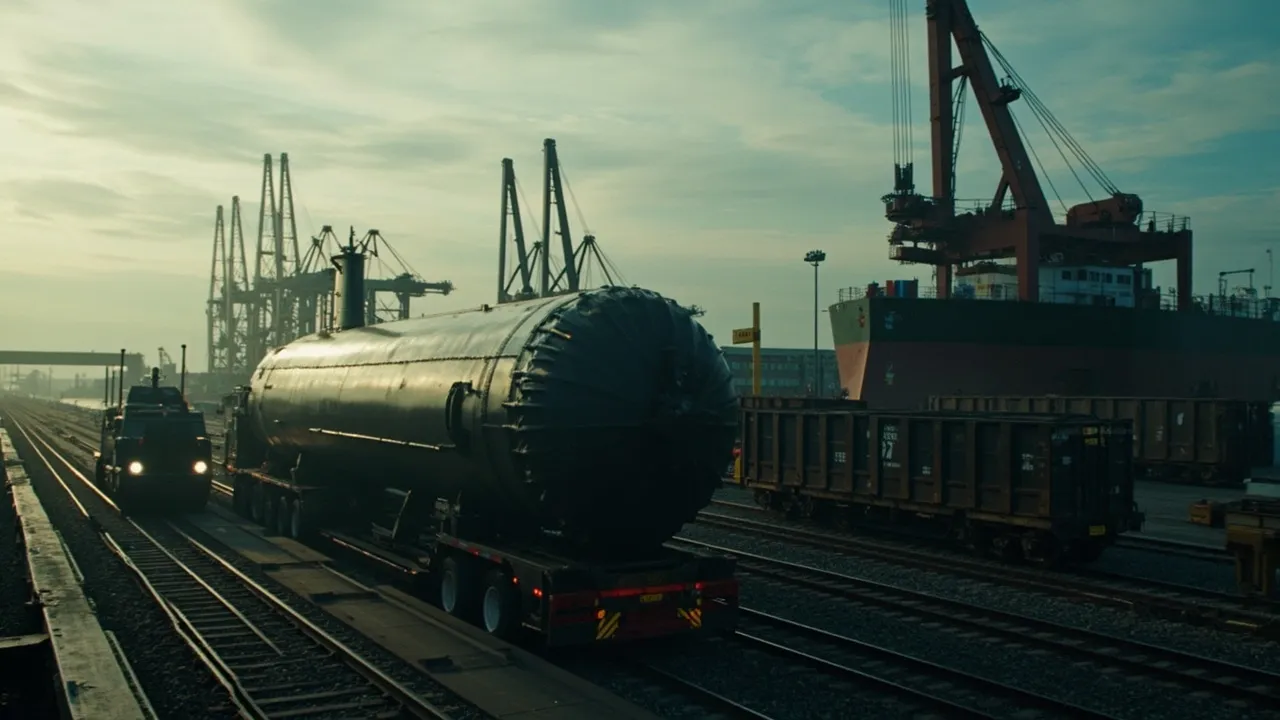
Renewable Energy Safe-Harbor Deadlines Turn Project Cargo Into a Schedule-Risk Workflow

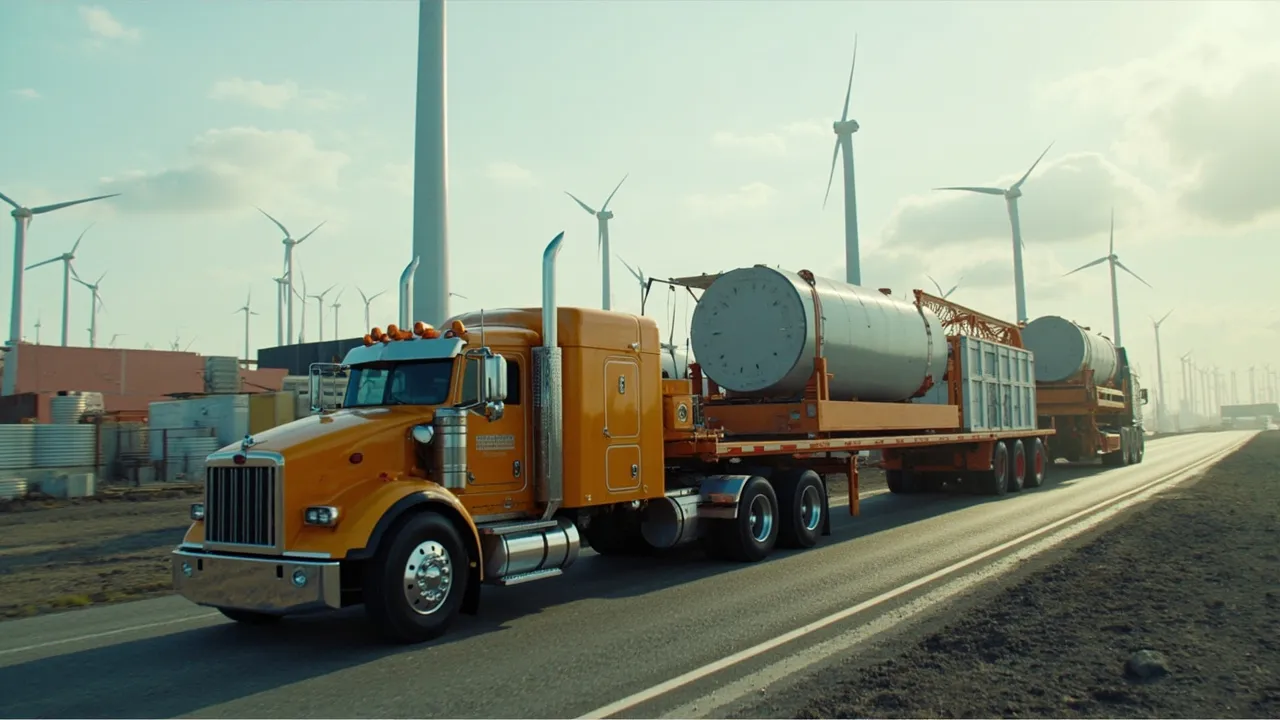
Renewable energy logistics used to be judged mostly by whether the turbine blade, transformer, battery rack, or solar module shipment arrived before the construction crew ran out of useful work. In 2026, that is not enough. Tax-credit timing, foreign entity of concern rules, interconnection queues, transformer availability, heavy-haul permits, and site commissioning dates are now tied together tightly enough that a late component can become a financial eligibility problem.
Deloitte's 2026 renewable energy outlook frames the operating pressure clearly: projects beginning construction by July 4, 2026, or entering service by 2027 may still qualify for certain credits, but they face uncertainty around FEOC compliance. Deloitte also notes that developers are expected to shift toward safe-harbor projects as they try to preserve economics under changing policy rules.
That turns renewable project cargo into a schedule-risk workflow, not just a transportation plan.
The scale is large enough that small execution failures matter. Mordor Intelligence estimates the U.S. renewable energy market at 545.16 gigawatts in 2026, growing at a 7.38% CAGR to 778.78 gigawatts by 2031. Its U.S. solar outlook separately puts the 2026 solar market at 269.54 gigawatts, while global energy storage is estimated at 0.54 terawatts in 2026 and projected to reach 1.52 terawatts by 2031.
Those numbers imply thousands of physical handoffs: imported modules, domestic structural steel, inverters, switchgear, transformers, battery containers, racking, cabling, crane mobilizations, blade escorts, and pad-mounted equipment moving through ports, warehouses, laydown yards, and remote construction sites. The tax-credit question may sit with finance and legal, but the evidence lives in operations.
The Deadline Is Now a Freight Attribute
A renewable energy shipment needs more than an ETA. It needs a project context.
For solar, storage, wind, and grid interconnection work, a transportation team may need to know whether a shipment supports a project that must begin construction by a certain date, enter service by 2027, meet domestic-content requirements, avoid restricted sourcing, or preserve safe-harbor treatment. That context changes how teams should prioritize port recovery, drayage, cross-dock labor, crane slots, heavy-haul escorts, and site delivery windows.
Without that information, logistics teams make normal freight decisions against abnormal financial exposure. A transformer delayed behind lower-priority cargo may not look urgent in a conventional TMS if its due date is just another requested delivery date. It looks very different when that transformer is a gating item for energization, commissioning, and project eligibility.
The same issue applies to component origin. FEOC and domestic-content questions cannot be solved by the carrier, but logistics can preserve the evidence chain. Supplier, country of origin, purchase order, bill of lading, container number, serial number, customs entry, warehouse receipt, and site delivery record all become part of the project file. If those records are scattered across email, broker portals, spreadsheets, and carrier status pages, the team may be able to move the freight but still struggle to prove what happened.
Heavy-Haul Capacity Meets Policy Timing
Project cargo is already unforgiving. Oversized loads require route surveys, permits, police escorts, utility coordination, bridge checks, specialized trailers, qualified drivers, and weather windows. Renewable energy adds a second clock.
Wind components may need blade trailers and coordinated night moves. Transformers may require rail-to-truck transload planning and weeks of permit lead time. Battery storage containers may trigger hazardous material documentation, fire-code staging rules, and site-sequencing limits. Solar projects may involve high-volume module flows where the risk is less one heroic move and more hundreds of deliveries arriving in the right order.
When safe-harbor or in-service dates matter, the logistics file should carry these fields:
- Tax-credit deadline and eligibility status
- Component type, serial range, and supplier commit date
- Country of origin and compliance evidence
- Purchase order, container, booking, and customs references
- Permit lead time and escort requirement
- Heavy-haul trailer, crane, and crew dependency
- Laydown-yard capacity and site readiness status
- Commissioning milestone and exception owner
This is not paperwork for its own sake. It is the minimum operating model for knowing which delay matters first.
Supply Chain Leaders Are Treating Execution as Strategy
Renewable energy projects also sit inside a broader supply chain shift. Gartner's 2026 Global Supply Chain Top 25 highlights the companies setting the pace in supply chain performance and the operating trends behind that performance. The practical lesson for project logistics is straightforward: resilient supply chains are not just better at sourcing. They are better at turning events into decisions.
For renewable developers, EPCs, utilities, and manufacturers, that means project-cargo visibility has to connect planning, compliance, and transportation execution. A shipment milestone is useful only if it can trigger the next decision: expedite, split, hold, substitute, re-sequence crews, escalate a supplier, reserve a crane, or warn finance that a date is now at risk.
The dangerous version of visibility is passive tracking. A dashboard that says a transformer is late after the fact does not protect a July 4 construction deadline or a 2027 placed-in-service target. The useful version is exception management that understands the business consequence of the milestone.
The Control File Renewable Projects Need
Every high-risk renewable project should have a living logistics control file that joins commercial, compliance, and physical-movement data. It should answer five questions quickly:
- Which components can delay tax-credit eligibility or commissioning?
- Which suppliers and origins require additional proof before receipt?
- Which shipments need permits, escorts, cranes, or special site conditions?
- Which milestones have enough float, and which are already inside the danger window?
- Who owns the next decision when the plan changes?
That file should not live only in a project manager's spreadsheet. It needs to connect to transportation execution, because many of the decisive events happen outside the project office: booking acceptance, sailing delay, customs hold, terminal availability, chassis release, carrier tender, permit approval, route restriction, laydown constraint, damage inspection, and proof of delivery.
Where CXTMS Fits
CXTMS helps freight teams treat renewable project cargo as milestone-driven execution rather than a string of disconnected shipments. By connecting shipment status, supplier evidence, carrier activity, exception ownership, and delivery milestones, teams can see when a delayed component threatens more than a delivery appointment.
For renewable energy projects facing safe-harbor pressure, that difference matters. The goal is not simply to know where the load is. The goal is to know whether the project is still executable, what evidence is missing, which milestone is at risk, and who needs to act before the delay becomes a financial problem.
If your renewable energy, infrastructure, or project cargo team is managing deadline-sensitive freight through spreadsheets and email, schedule a CXTMS demo. We will show how milestone visibility, exception escalation, and shipment-level evidence can keep critical cargo aligned with the dates that decide project value.