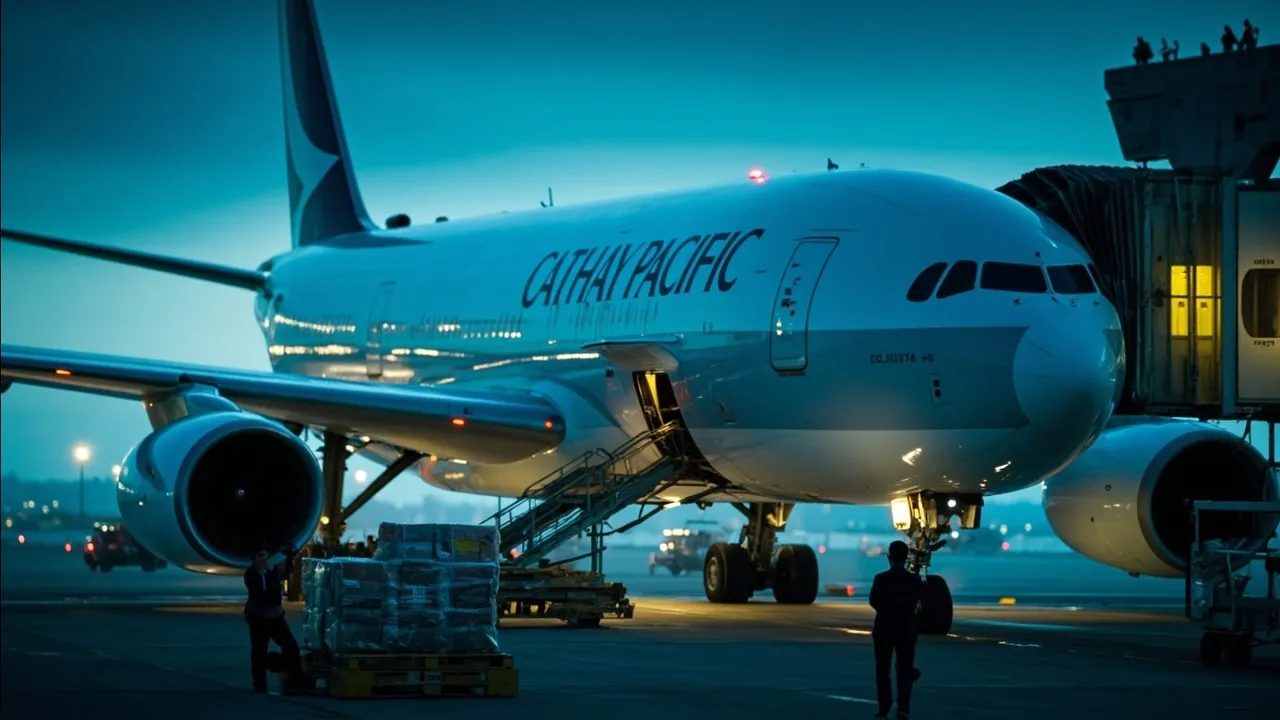
California’s Jet Fuel Crunch: What 2.6 Million Barrels of Inventory Means for Air Cargo Planning

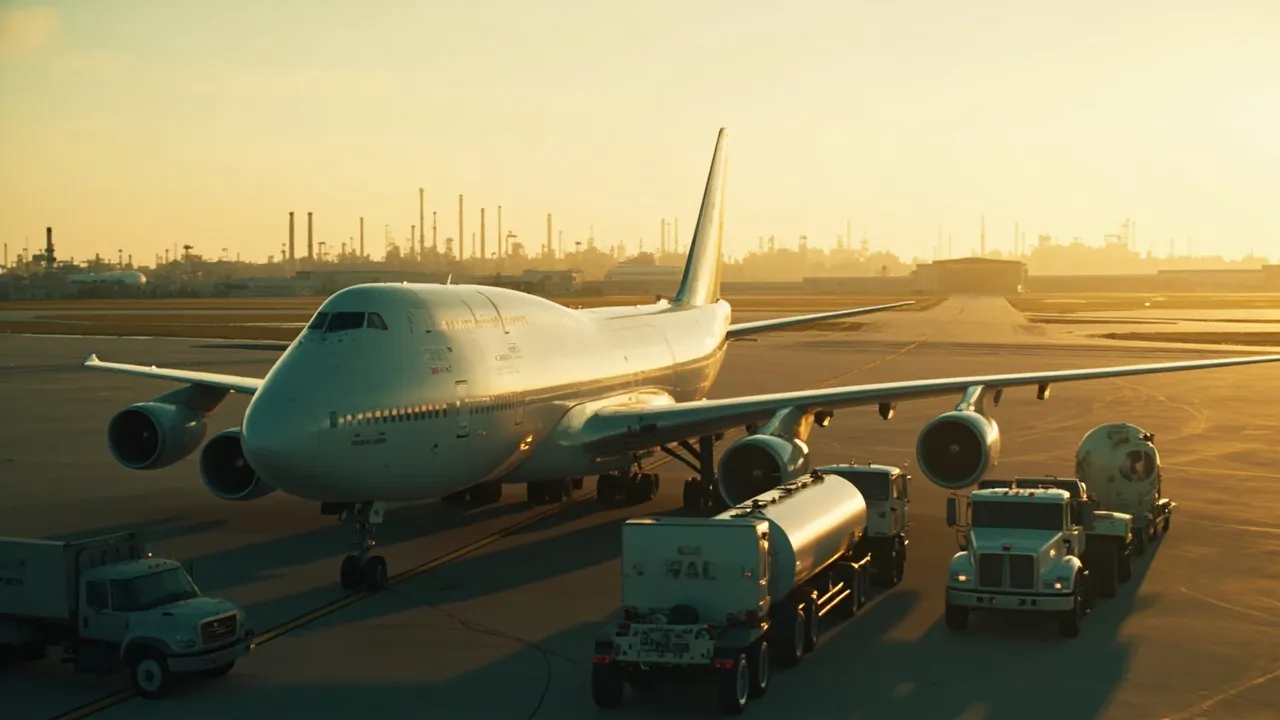
California air cargo planners have a fuel problem, and it is not a small one.
According to Supply Chain Brain’s April 2026 report on California’s jet fuel inventory, the state’s jet fuel stocks fell to just over 2.6 million barrels as of April 17, down from 3.2 million barrels two years earlier. At the same time, California’s refining capacity has dropped from 2.9 million barrels per day in 2019 to 2.3 million barrels per day. Those are not abstract energy-market figures. For shippers that rely on Los Angeles, San Francisco, San Diego, and other West Coast gateways for high-priority freight, they are a warning that air cargo cost volatility is becoming a planning issue, not just a procurement issue.
California is unusually exposed because it operates more like a fuel island than a fully connected domestic market. The state is not linked to the rest of the country by major product pipelines that can quickly backfill refined fuel shortages. When local production tightens, replacement barrels have to come by ship, and that adds time, cost, and uncertainty. The California Energy Commission’s refinery stocks data underscores how closely watched these inventories have become, especially for a product as operationally sensitive as jet fuel.
For air cargo teams, lower inventory does not automatically mean planes stop flying tomorrow. It means the margin for error gets thinner.
Why shrinking fuel buffers matter to freight
Air cargo depends on predictability. Shippers pay a premium for it, airlines structure networks around it, and forwarders build customer promises on top of it. When jet fuel inventories fall and refining capacity declines at the same time, that predictability gets weaker in three ways.
First, fuel prices become more reactive. If supply is already tight, any disruption, whether geopolitical tension, refinery maintenance, shipping delays, or port congestion, can have a faster impact on local pricing. Airlines eventually pass those costs through in some form, either through higher rates, reduced promotional capacity, or tighter yield management on key lanes.
Second, capacity planning gets less forgiving. California is one of the most important air freight origin and destination regions in the United States, especially for technology products, perishables, pharmaceuticals, aerospace parts, and urgent industrial shipments. If carriers see persistent fuel risk in the market, they may adjust schedules, consolidate frequencies, or price premium space more aggressively.
Third, contingency options are narrower than many shippers assume. In a truckload or ocean disruption, routing flexibility often comes from a wider network of substitutes. Fuel is different. If the core issue is local supply tightness in a geographically constrained market, the whole system gets twitchy at once.
That is what makes the current California story important. The number to watch is not only the 2.6 million barrels. It is the combination of lower stock, weaker refining capacity, and a logistics structure that cannot pivot instantly.
What this means for West Coast air cargo budgets
Fuel volatility tends to show up in freight budgets with a lag, which is exactly why teams underestimate it.
A shipper may lock in assumptions based on current lane pricing, only to discover that fuel-related cost pressure is being baked into spot quotes, premium uplift, or surcharge changes weeks later. That is especially painful for businesses moving temperature-controlled healthcare products, aircraft-on-ground parts, electronics launches, or high-value retail replenishment. Those cargo categories usually do not have the luxury of waiting out a volatile week.
The risk is even sharper for companies that concentrate too much volume in a single California gateway. A narrow airport strategy might look efficient during normal conditions, but it becomes fragile when energy constraints start feeding pricing and service risk into the local market.
This is where logistics leaders need to stop thinking like buyers of uplift and start thinking like managers of network resilience.
Four practical moves shippers should make now
1. Re-score critical lanes that touch California
If a shipment absolutely must move through California, mark it as such. If it can move through Phoenix, Dallas, Seattle, or another alternate gateway with acceptable service performance, capture that now. The point is not to reroute everything preemptively. The point is to know which shipments are flexible before the market forces the question.
2. Review premium-freight assumptions for time-sensitive cargo
Many teams still treat premium air spend as an exception bucket instead of a forecastable operating category. That is sloppy. If fuel tightness drives yield pressure, the cost of “must-fly” freight can climb fast. Revisit assumptions for pharma, perishables, service parts, and launch inventory now, before the next disruption turns premium quoting into a panic event.
3. Tighten communication with airline and forwarding partners
Ask a simple question: how are they monitoring West Coast fuel availability, and what are their fallback options? The good partners will have a point of view. The bad ones will give you generic reassurance. In a volatile environment, generic reassurance is useless.
4. Build a trigger-based contingency playbook
Do not wait for a full-blown crisis. Define triggers in advance, such as sharp rate changes, reduced flight frequency, tighter booking windows, or escalating airport-specific congestion. Pair each trigger with a response: alternate gateway, earlier booking cutoff, modal shift for less urgent freight, or customer communication changes.
The bigger lesson for logistics teams
California’s jet fuel crunch is really a lesson in supply chain concentration risk. Too many freight plans assume that infrastructure, energy, and transportation capacity are separate problems. They are not. They stack.
When a major freight region loses refining capacity, runs with thinner inventory, and depends on marine replenishment because it functions as a fuel island, air cargo planners should read that as a systems warning. Not because every shipment is suddenly in danger, but because the probability of cost swings and service friction is clearly rising.
The smart move is not to overreact. It is to get disciplined.
Map your California-dependent freight. Stress-test your premium air assumptions. Confirm alternate routing options. Push your partners for specifics. If the market gets uglier, the companies that already did that work will look calm and competent while everyone else is scrambling.
That is usually how resilience works. It looks boring right up until it saves your ass.
Want tighter control over routing risk, shipment visibility, and exception planning across air cargo networks? Request a CXTMS demo to see how CXTMS helps logistics teams respond faster when market conditions change midweek, not just at the next quarterly review.