USPS Ground Advantage May Flatten Sub-Pound Pricing. Lightweight Parcel Shippers Need a New Model.

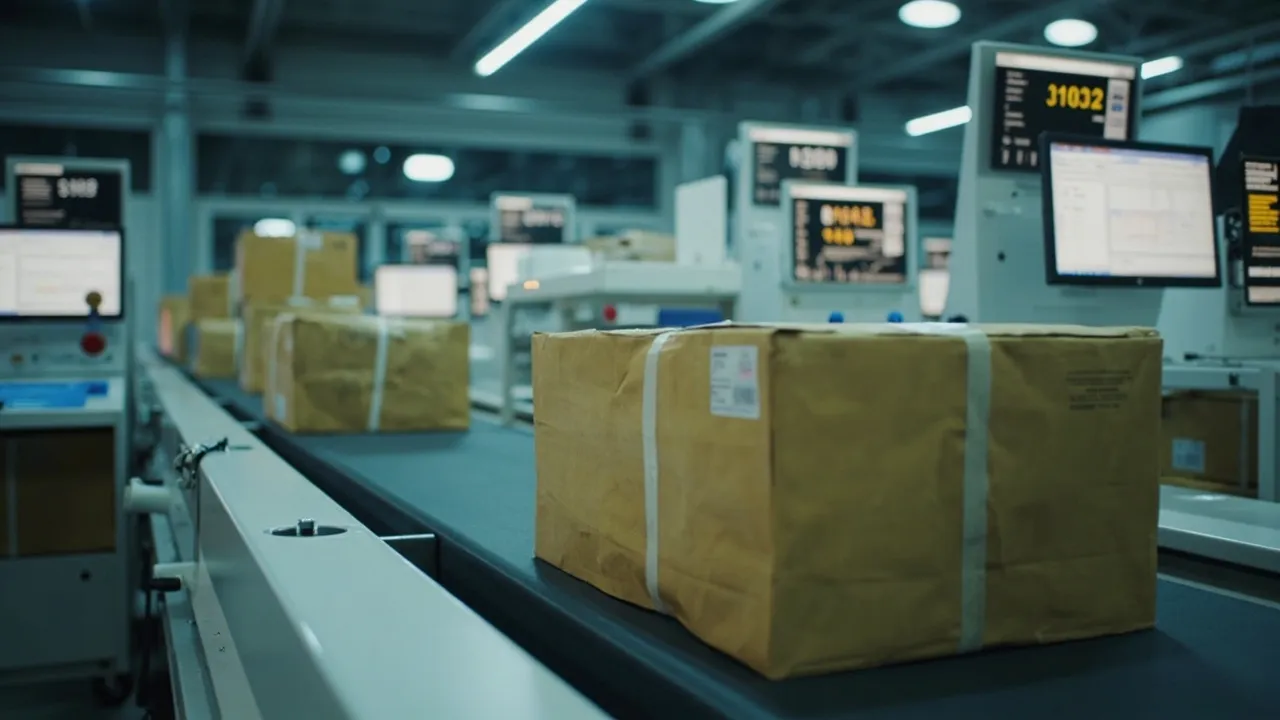
For years, sub-pound parcel strategy has rewarded shippers that obsessed over ounces. A cosmetics sample kit at 3.8 ounces, a supplement pouch at 7.6 ounces, or a replacement part under 12 ounces could land in a lower USPS Ground Advantage Commercial tier and protect margin on low-ticket ecommerce orders.
That math may be changing.
The U.S. Postal Service is proposing to eliminate ounce-based rate differences for sub-pound USPS Ground Advantage Commercial parcels starting July 12, according to Supply Chain Dive. Instead of four different sub-pound tiers, USPS would apply the rate now used for 12-to-15.999-ounce shipments across the entire sub-pound category. The proposal still needs Postal Regulatory Commission review, but parcel teams should treat it as a serious planning signal, not a footnote.
The headline number is blunt: the change would create an average 11.8% price increase for Ground Advantage Commercial. The pain is not distributed evenly. Supply Chain Dive’s summary of USPS rate data shows proposed increases for 4-ounce packages ranging from $1.36 in Zone 2 to $2.04 in Zones 8 and 9. For 8-ounce packages, increases range from $0.79 to $1.66. For 12-ounce packages, increases range from $0.69 to $1.27.
That is not just a postage update. It is a margin model problem.
Why Lightweight Shippers Are Exposed
The shippers most exposed are the ones that made lightweight economics part of their operating model: beauty brands, supplements sellers, apparel accessory merchants, small electronics parts distributors, marketplace sellers, and subscription programs that ship inexpensive items at high frequency. These businesses often live in the narrow space between a profitable order and a customer-acquisition loss.
A $1.50 increase on a $120 order is annoying. A $1.50 increase on a $14.99 lip balm bundle, replacement gasket, or vitamin sample pack can wipe out contribution margin. Worse, the increase may be invisible until invoices arrive if transportation teams are still reviewing parcel spend at the carrier-and-service level instead of the SKU, package, zone, and customer-promise level.
USPS is making the move for structural reasons. Ground Advantage has become a growth engine: USPS shipping and packages revenue rose 4.5% year over year in the quarter ended March 31 even though volume declined 1.4%, while Ground Advantage revenue rose 19.8% and volume rose 14.7%, according to the same Supply Chain Dive report. The agency is also trying to improve its financial footing after a $2 billion quarterly net loss.
Parcel shippers do not have to judge the policy rationale. They do have to understand the operating impact.
The Wrong Response: Chase Weight Alone
The obvious reaction is to keep shaving ounces. That is still useful, but it is no longer enough if the commercial sub-pound tiers flatten. A shipper that spends engineering time moving a package from 8.2 ounces to 7.9 ounces may not see the same postal benefit it used to see.
That shifts the optimization target from weight alone to total package economics. Parcel teams need to model:
- actual scale weight versus billed weight;
- dimensional weight exposure by carton and mailer type;
- zone distribution by customer segment;
- order value and gross margin by SKU mix;
- promised delivery speed versus actual customer need;
- carrier allocation rules by service, geography, and package profile.
The key question becomes: which packages are truly worth protecting with USPS Ground Advantage, and which should move to another service, another packaging format, another fulfillment node, or another customer promise?
Surcharges Make the Problem Bigger
The USPS proposal is landing in a market where parcel accessorials and surcharge logic are already moving. FedEx and UPS added international fuel and demand surcharge changes in May, including UPS temporary fees of $0.32 per pound for many U.S.-bound international shipments and FedEx import demand surcharges of $0.25 per pound from China, Hong Kong, or Macau, according to Supply Chain Dive. The same report noted that FedEx raised fuel surcharge calculations by 2 percentage points for international exports and 2.5 percentage points for international imports, while UPS increased several international air fuel calculations by 2 percentage points.
Different mode, different services, same lesson: parcel cost is no longer a stable table that finance can refresh once per year. It is a moving rule set. Shippers that rely on static rate cards will keep discovering cost changes after the customer has already paid for shipping.
What Parcel Teams Should Do Now
First, rebuild the sub-pound baseline. Pull the last 90 days of shipments under 16 ounces and segment them by ounce band, zone, package type, SKU family, customer promise, and margin. The goal is not a generic average increase. The goal is a ranked list of packages where the proposed rate structure creates the largest margin damage.
Second, revisit cartonization. If weight savings no longer create the same breakpoints, packaging should be evaluated on combined cost: material, labor, damage risk, DIM exposure, automation compatibility, and postage. For some shippers, a slightly heavier but flatter mailer may beat a small box. For others, SKU bundling rules may need to change.
Third, update carrier allocation logic before July. Lightweight parcels should not default automatically to one service because last quarter’s model said so. Allocation should consider zone, promised date, residential density, negotiated rates, surcharge exposure, and customer lifetime value.
Fourth, set margin thresholds in the transportation workflow. If a package profile crosses a cost-to-margin threshold, the system should flag it before label creation, not after invoice audit. That may trigger a packaging recommendation, a service downgrade, a minimum-order nudge, or a fulfillment-location change.
Why This Belongs in the TMS
Sub-pound pricing changes are exactly the kind of issue that expose weak parcel analytics. The data sits across ecommerce platforms, WMS, rating engines, carrier invoices, and finance reports. By the time the spreadsheet is assembled, the rate environment has moved again.
A modern transportation management system should connect order economics to parcel execution. For CXTMS users, that means bringing shipment attributes, carrier rules, zone logic, invoice data, and exception workflows into one operating view. Parcel teams can model rate changes, test carrier rules, and spot cost leaks before they become monthly surprises.
If your lightweight parcel strategy still depends on ounce tiers staying predictable, it is time to rebuild the model. USPS may be flattening sub-pound pricing. Your analytics cannot be flat.
Ready to see how CXTMS can help your team model parcel cost changes before they hit the invoice? Schedule a CXTMS demo and build a transportation workflow that catches margin risk in real time.