“AliExpress Import Customs Clearance Complete” Is More Than a Tracking Message

For many consumers, the phrase "AliExpress import customs clearance complete" looks like good news and still feels confusing. The parcel has cleared a customs step, but it may not be at the doorstep, may not have transferred to the final-mile carrier, and may still face duty, documentation, or inspection issues downstream. That ambiguity is exactly the problem for logistics teams.
A customs status should not be treated as decorative tracking text. In cross-border parcel networks, it is an operational milestone that affects customer promises, landed-cost exposure, brokerage workload, carrier handoffs, fraud screening, and exception routing. When that milestone is vague, marketplaces and forwarders lose time precisely when they need control.
What the status usually means
"Import customs clearance complete" generally means the shipment has passed a destination-country customs process or has completed a required customs event in the import flow. It does not necessarily mean the parcel has left the airport, cleared every regulatory risk, been handed to the domestic carrier, or avoided all fees. It means one border event has moved from pending to complete.
That distinction matters because parcel tracking is often written for consumers, while the underlying process is built for agencies, brokers, carriers, postal operators, marketplaces, and final-mile networks. A single consumer-facing line can compress several operational questions:
- Was the declaration accepted automatically or reviewed manually?
- Were duties and taxes assessed, prepaid, waived, or deferred?
- Did the parcel clear as a postal item, express shipment, marketplace-consolidated entry, or another entry type?
- Is the next move a carrier handoff, warehouse induction, inspection hold, or delivery attempt?
- Who owns the exception if the parcel stalls after clearance?
For a consumer, the status means "my package is getting closer." For a shipper, it should mean a transportation workflow can move to the next state with evidence attached.
Customs scrutiny is rising, not fading
The stakes are increasing because low-value parcel flows are under more regulatory pressure. Supply Chain Dive reported that the U.S. de minimis exemption was set to end Aug. 29, 2025, subjecting low-cost imports to applicable duties while postal packages would be assessed through separate duty methodologies. The same report noted the policy argument behind the change: packages using duty-free de minimis treatment typically faced less scrutiny, and the White House said 90% of all cargo seizures in fiscal 2024 originated as de minimis shipments.
That is a stunning number for parcel operators. It means customs clearance is no longer a low-friction background process that can be abstracted away behind a cheerful tracking message. It is part of risk management. Documentation quality, product descriptions, origin data, tariff classification, and importer information all become execution inputs.
Forced-labor enforcement adds another layer. Reuters reported that pro-tariff and human-rights groups asked the U.S. Trade Representative to impose new import bans, duties, and quotas to combat forced labor. Reuters also reported that roughly 60 witnesses were scheduled for a two-day hearing tied to a Section 301 investigation into the failure of 60 countries to enforce bans on forced-labor goods.
The operational message is blunt: customs events are becoming compliance events. A marketplace parcel cannot be managed only as a cheap item moving through a cheap lane. It may carry data obligations that need to be proven before, during, and after clearance.
Growth makes the visibility gap more expensive
The parcel problem is not shrinking. Mordor Intelligence estimates the China cross-border e-commerce logistics market will grow from $28.28 billion in 2025 to $33.15 billion in 2026, then reach $60.62 billion by 2031 at a 12.83% CAGR. Its analysis also says transportation held 71.20% of the market in 2025, while value-added services are projected to grow at a 14.12% CAGR from 2026 to 2031.
That mix is revealing. Transportation is still the dominant cost and operating layer, but the fastest value is shifting toward services around the move: customs support, returns, inventory positioning, compliance workflows, delivery experience, and exception management. In other words, moving the parcel is necessary. Explaining and controlling what happens around the parcel is where differentiation is forming.
Mordor also points to 72-hour bonded-zone customs-clearance programs as a growth driver, with a cited Shanghai pilot cutting clearance from five to three days for parcels below CNY 5,000, or about $700. Faster clearance is useful only if the speed is visible and actionable. If the customs event completes but the forwarder, marketplace, customer-service team, and final-mile carrier each see a different version of the truth, the network still bleeds time.
Tracking text is not a workflow
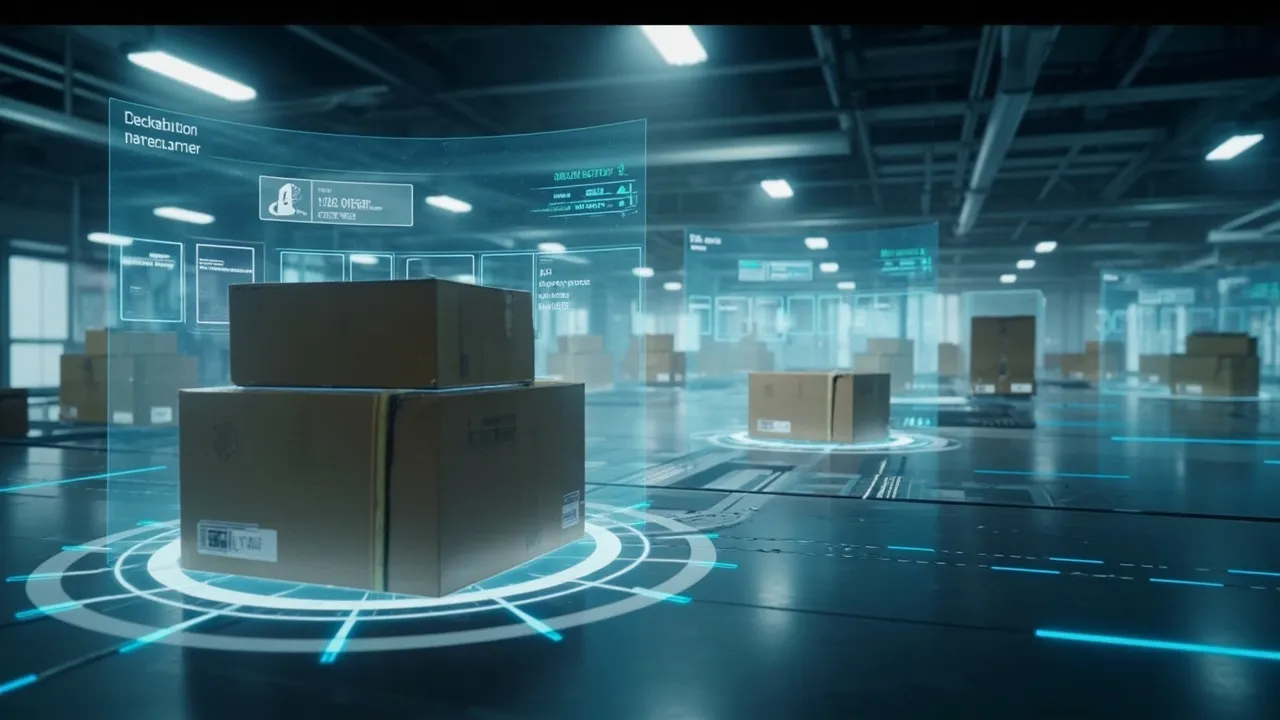
The phrase "AliExpress import customs clearance complete" is a classic example of status compression. It hides the details that operations teams need. A modern cross-border parcel workflow should turn that event into structured data, including timestamp, location, entry type, broker reference, duty status, inspection outcome, carrier handoff readiness, and next expected milestone.
That is not overengineering. It is how teams prevent avoidable service failures. If clearance completes but duties are unpaid, customer notification should trigger. If clearance completes but the domestic carrier has not scanned the parcel within a defined window, an exception should open. If a shipment category is exposed to forced-labor scrutiny, the system should retain documentation and flag weak product descriptions before the goods ever arrive.
The alternative is the familiar mess: consumers screenshot tracking messages, customer-service teams paste generic explanations, brokers work from one portal, carriers work from another, and forwarders discover problems only after delivery dates slip.
What forwarders and marketplaces should build now
First, separate consumer status from operational status. Consumers need clarity, but internal teams need precision. "Customs clearance complete" should map to a more detailed event model behind the scenes.
Second, connect customs data to landed cost. Duty changes, de minimis restrictions, and postal-fee methodologies can change the economics of a parcel lane. If that data sits outside transportation planning, margin surprises arrive too late.
Third, route exceptions automatically. A parcel that clears customs but misses the next scan should not wait for a customer complaint. The system should know the expected next event and escalate when it fails to occur.
Fourth, preserve compliance evidence. As forced-labor scrutiny expands, product origin, supplier documentation, and declaration quality need to follow the shipment record. Compliance cannot live in a separate folder from execution.
Finally, measure customs dwell as part of transportation performance. If import clearance is a recurring delay, it belongs in lane analytics, carrier scorecards, and marketplace promise logic.
CXTMS helps logistics teams turn customs milestones into transportation workflows: shipment events, landed-cost context, carrier handoffs, exception rules, and customer-facing visibility in one operating layer. If your cross-border parcel network still treats customs updates as opaque tracking text, schedule a CXTMS demo and make clearance data actionable before the next surge hits.