USPS’ $2B Quarterly Loss Puts Parcel Contingency Planning Back on the Table

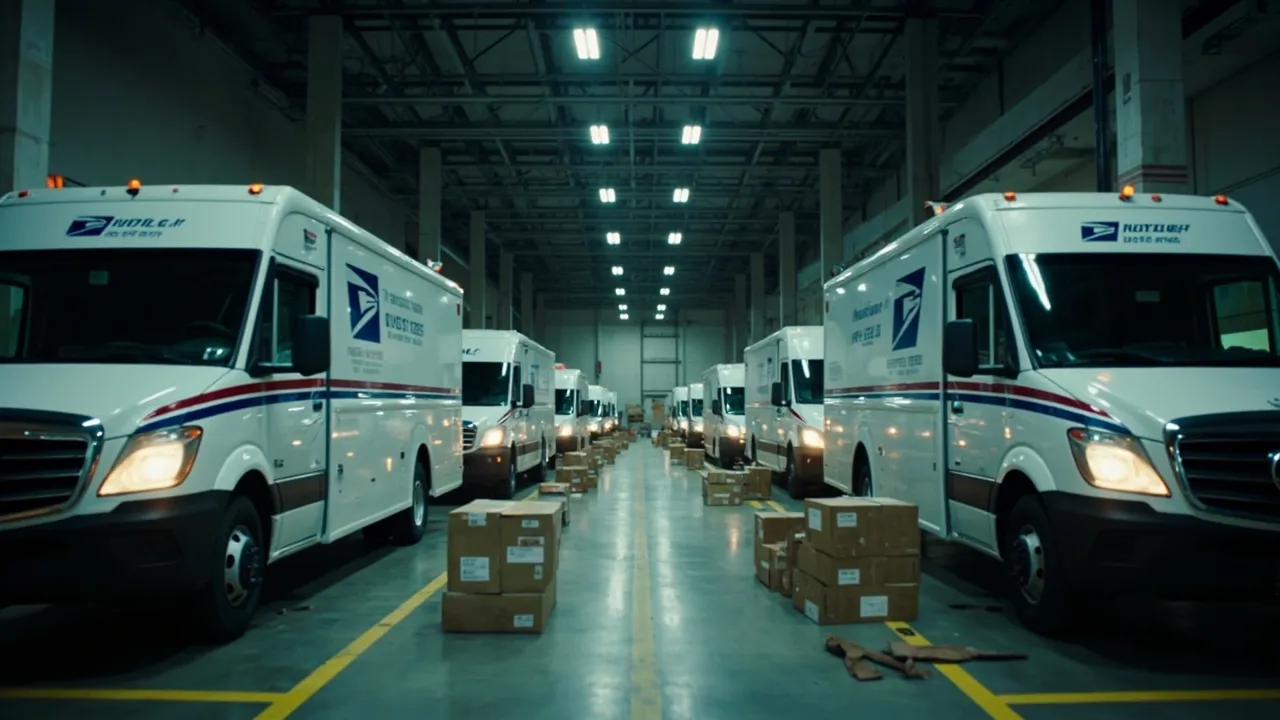
USPS is not just a mail story anymore. For parcel shippers, the Postal Service is part of the carrier-mix math, the final-mile handoff model, the economy shipping promise, and the returns network. When its balance sheet gets worse, transportation teams should not shrug and wait for the next rate card.
The warning sign is blunt. Reuters reported that the U.S. Postal Service posted a $2 billion net quarterly loss and warned it could run out of cash as soon as February. Mail volume fell another 6.3% in the three months ending March 31, even as operating revenue rose 2.3% to $20.2 billion.
That combination matters. USPS can raise prices and still face structural pressure if its most profitable mail products keep declining. Reuters noted that the agency has reported $120 billion in total net losses since 2007 as first-class mail dropped to its lowest volume since the late 1960s. USPS is also taking liquidity actions, including temporarily suspending employer payments for a federal pension program to conserve cash.
For parcel shippers, the immediate question is not whether USPS disappears. It will not. The real question is how financial stress shows up operationally: rate changes, temporary surcharges, service adjustments, network prioritization, stricter compliance rules, and greater uncertainty around postal-dependent delivery promises.
Postal dependency is hidden in many parcel networks
Most shippers know their direct USPS volume. Fewer have a clean view of indirect postal dependency. Economy parcel products, lightweight residential deliveries, returns programs, marketplace flows, consolidator handoffs, and hybrid final-mile services can all rely on USPS capacity even when another carrier name appears on the contract.
That hidden dependency is why a USPS cash crunch belongs in the parcel contingency plan. If a shipper only measures carrier concentration by invoice vendor, it may underestimate how much of its delivery promise ultimately touches the postal network.
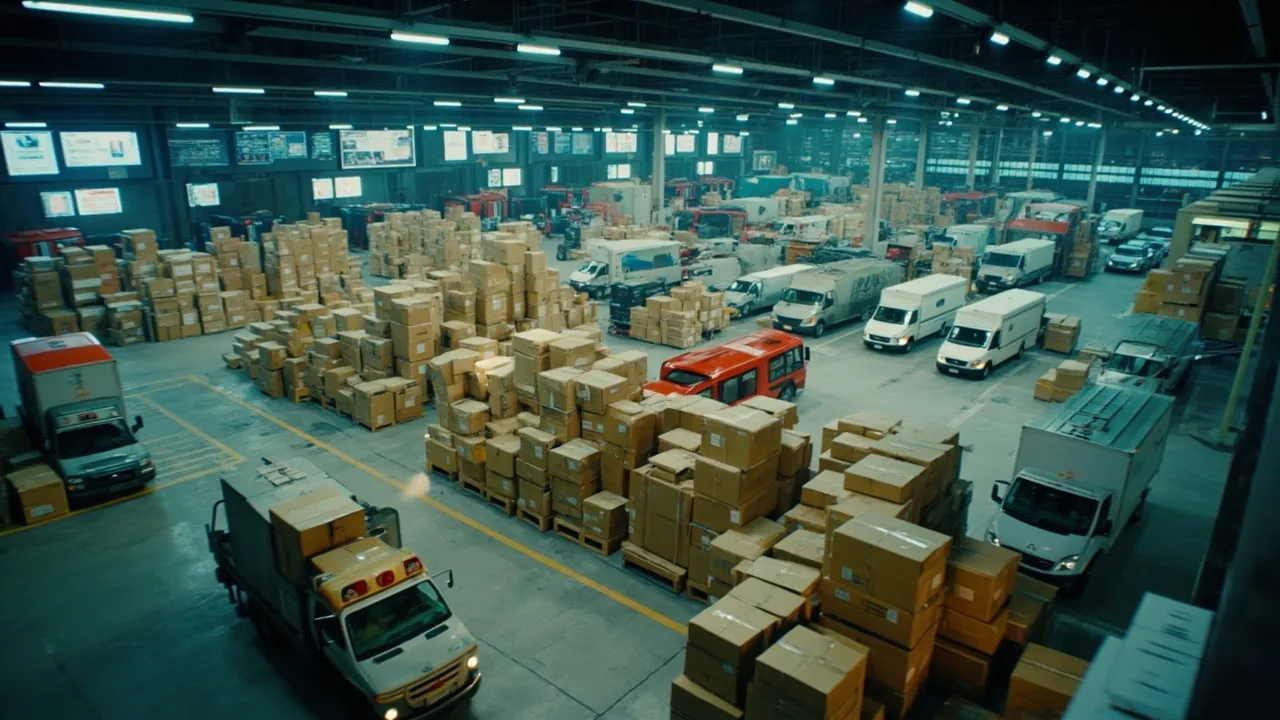
The parcel market is already less centralized than it used to be. In its 2026 parcel roundtable, Logistics Management reported that UPS, FedEx, and USPS handled 85% of domestic parcel volume before the pandemic. By 2025, their combined share had fallen to 61% of 23.9 billion annual deliveries.
That shift gives shippers more options, but it also raises the execution bar. Regional carriers, super-regionals, postal products, national parcel networks, local delivery providers, and marketplace-linked logistics services are not interchangeable. They differ by ZIP coverage, cutoff time, claims handling, returns experience, dimensional rules, residential economics, and customer-service visibility.
A contingency plan that says “move volume elsewhere” is not a plan. It is a wish.
Rate pressure is already visible
USPS financial strain is not theoretical. Reuters reported that USPS plans to raise first-class mail stamps to 82 cents from 78 cents on July 12. More relevant to parcel teams, the Postal Service won approval from the Postal Regulatory Commission for a temporary 8% price hike for priority mail and package deliveries tied to rising transportation and fuel costs, with the surcharge planned through January 17, 2027.
That is exactly how liquidity pressure becomes shipper pressure. A temporary surcharge can turn into a budget variance, a product-margin problem, or a customer-promise decision. For low-margin e-commerce, subscriptions, replacement parts, samples, returns, and lightweight residential shipments, a few percentage points can matter.
The trap is assuming USPS remains the cheapest option on every affected flow. It may still be the right answer in many lanes, especially for dense residential delivery and lightweight parcels. But shippers need lane-level comparisons, not folklore. Compare USPS and postal-dependent services against regional carriers, national services, zone-skipping options, pickup-density changes, packaging redesign, and fulfillment-node adjustments.
That comparison should include service risk, not just base transportation cost. A cheaper service that creates more delivery exceptions, customer contacts, refunds, reships, or late-arrival penalties may not be cheaper at all.
Compliance changes add another layer of risk
USPS is also tightening parcel data requirements. Supply Chain Dive reported that on July 12 the Postal Service will expand dimensional reporting requirements so smaller shipments must include accurate length, width, and height figures. Noncompliance fees will not apply immediately for newly eligible parcels, but the rule is moving forward in phases.
The existing rule already requires accurate dimensions for parcels exceeding 1 cubic foot or 22 inches in length for affected commercial services, and Supply Chain Dive reported that the noncompliance fee is $3, up from $1.50 previously. Once dimensional compliance expands to all shipments in the affected services, bad data becomes a parcel cost-control issue.
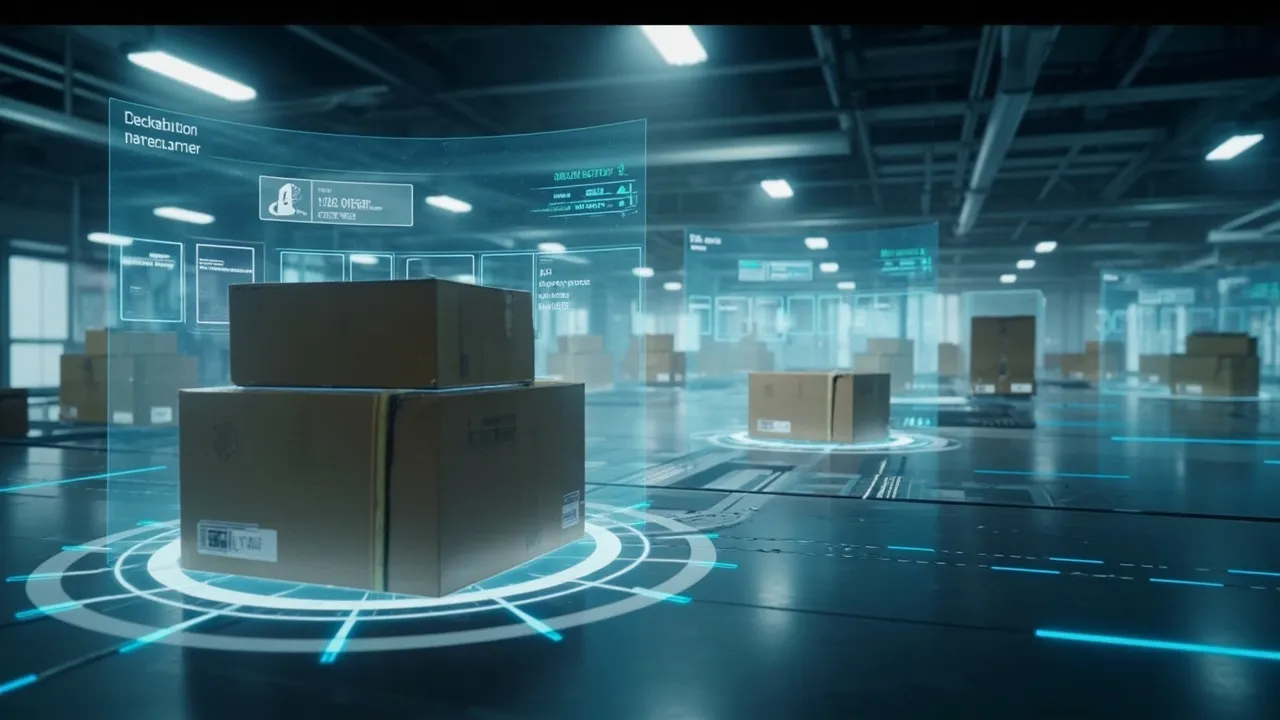
This is where many shippers are weaker than they think. Product masters may be incomplete. Cartonization logic may not reflect actual pack-out. Warehouse teams may override package types during peak. Manifest data may differ from physical dimensions. Returns may be especially messy because the original outbound dimensions do not always match the return package.
A USPS contingency plan therefore needs two tracks. One is carrier optionality. The other is data readiness. If package dimensions, service codes, origin/destination data, and shipment profiles are not accurate, a shipper cannot model alternatives or defend against fees.
What parcel contingency planning should include
Start with dependency mapping. Identify direct USPS volume, indirect postal handoffs, economy services with USPS final mile, returns flows, marketplace requirements, and customer segments that depend on postal economics. Break that view by ZIP, service, package size, promised delivery date, margin, and exception history.
Then build trigger points. What level of USPS surcharge changes the recommended service? Which ZIP codes require a regional-carrier backup? Which product categories can tolerate longer transit, and which cannot? Which customers should be protected with upgraded service if postal performance degrades? Which fulfillment nodes can shift volume without creating labor or cutoff failures?
Next, test alternatives before they are needed. A carrier cannot be considered a contingency option until labels print correctly, pickup windows work, tracking events flow, customer service can see exceptions, invoices reconcile, and returns can be processed. Tabletop planning is not enough. Run controlled pilots by lane and product family.
Finally, monitor service and cost together. USPS-related risk is not only financial, and it is not only operational. The best view combines surcharge exposure, package dimensions, on-time performance, delivery exceptions, claims, customer contacts, and invoice variance. That is the only way to see when a cheap service is becoming expensive.
CXTMS helps logistics teams turn this work into an operating discipline. It gives parcel shippers a planning layer where carrier mix, service commitments, shipment profiles, exceptions, and cost data can be managed together. That makes it easier to see USPS dependency, compare alternatives, monitor service risk, and shift volume before a financial headline becomes a fulfillment problem.
USPS will remain critical to American parcel delivery. That is exactly why shippers need a plan. Schedule a CXTMS demo to see how CXTMS helps transportation teams build resilient parcel networks before the next surcharge, service change, or cash-crunch warning hits the budget.